Discover South End Boston Real Estate & Neighborhood Life
Thriving neighborhood with Victorian squares and rowhouses
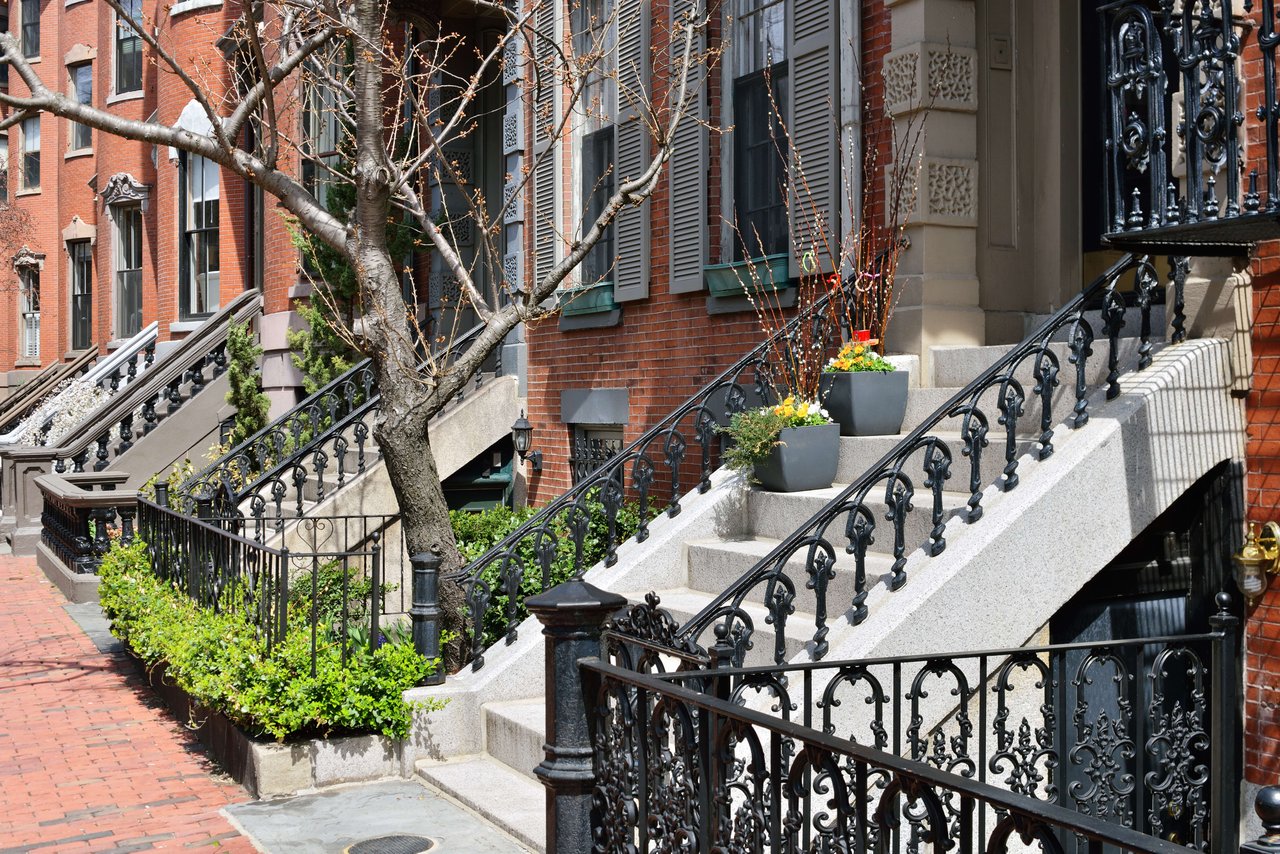
The South End is a thriving and evolving Boston neighborhood known for its distinctive Victorian rowhouses surrounded by parks and English-style squares. The South End’s district of Victorian rowhouses spans 300 acres, making it the largest such district in the United States. The neighborhood’s eclectic attractions include the galleries and studios of the SoWa Art & Design district, some of Boston’s trendiest bistros and restaurants, chic boutique shopping, and a vibrant nightlife scene. Discover South End Boston real estate with Beth Dickerson!
Victorian rowhouses
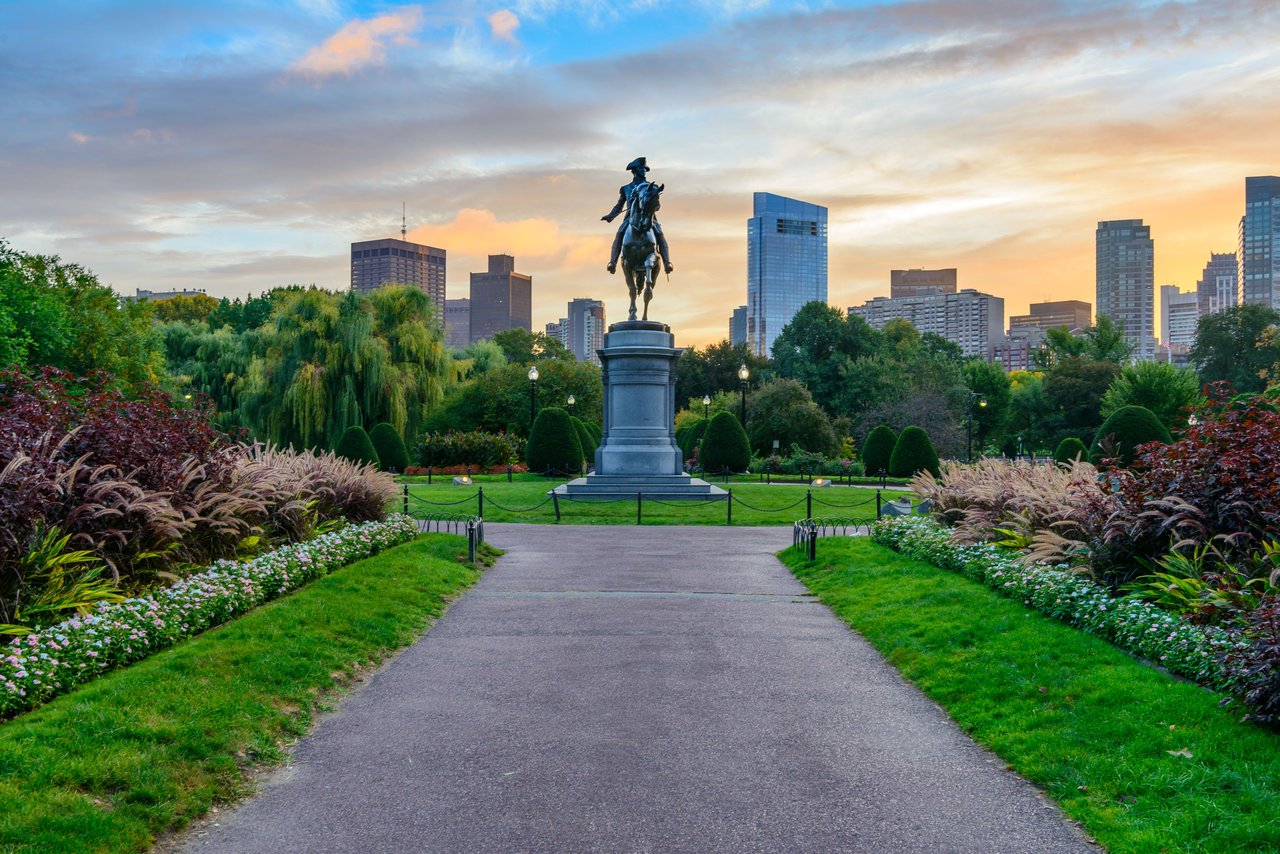
Parks and English-style squares
Jazz clubs
SoWa Art & Design district
A variety of South End houses for sale to choose from
This hip neighborhood has been very diverse since it was first established in the 19th century. The South End was a melting pot of African-American, Greek, Irish, and Lebanese communities in the 1880s. Since the 1940s, the South End has been at the heart of Boston’s LGBT community. It was also Boston’s jazz mecca throughout the first half of the 20th century and still boasts an exciting music scene. In addition, the South End has a thriving arts scene centered on the SoWa district.
The South End is teeming with diverse dining, shopping, cultural attractions, and nightlife. Wally’s Café is one of the United States’ longest-operating jazz clubs. Wally’s opened at the height of the South End’s jazz heyday in 1947 and still features live music every night of the year. The Beehive at the Boston Center for the Arts also offers nightly live jazz performances and a great brunch menu earlier in the day. J.J. Foley’s Café is a historic Irish pub that has been a neighborhood favorite since 1909. Newer additions to the South End’s buzzing nightlife scene include kitsch dive bar Delux Café and innovative speakeasy and eatery Wink & Nod.
Highlights of the South End’s trendy dining scene include gourmet Spanish tapas at Toro, fresh seafood at B&G Oysters, prime steaks and raw bar items at Boston Chops, and flame-roasted pizza at Picco. The Butcher Shop offers premium quality meat to take home alongside a wine bar pairing varied varietals with artisanal charcuterie and antipasti.
The South End is also a shopping haven, with stylish boutiques including South American furniture store Diseno and whimsical womenswear retailer Flock. SoWa Open Market opens on Saturday mornings between May and October and features more than 20 food trucks, farm-fresh produce, and unique artworks and handicrafts.
The South End’s brick sidewalks and rowhouses make it one of the prettiest places in Boston to explore on foot. The neighborhood features a series of 11 19th-century parks inspired by English residential squares. These parks are usually elliptical and often feature a fountain at their center.
SoWa describes the area south of Washington Street that is known for its many artists’ studios, galleries, and exhibition spaces. The SoWa Artists Guild at 450 Harrison Avenue hosts monthly First Friday celebrations where you can see the work of more than 200 artists. The Mills Gallery at Boston Center for the Arts is another creative hub with regular exhibits from talented contemporary artists. Boston Center for the Arts also features the Cyclorama, a stunning space that has hosted many performances, exhibitions, and conferences since it was built in 1884.
South End is served by the Boston Public School District. Highlights include:
Joseph J. Hurley School, Public, PK-8
Blackstone Elementary School, Public, PK-5
Carter Developmental Center, Public, 7-12
Cathedral High School, Private (Christian), 7-12
Living in the South End means experiencing the largest contiguous Victorian residential district in the United States — a neighborhood built in the mid-19th century on filled-in tidal marshes to relieve overcrowding in Beacon Hill and downtown, and modeled after London's fashionable residential squares. What began as an enclave for Boston's wealthy merchant class survived the Panic of 1873 — which forced cash-strapped elites to subdivide their grand townhomes into tenements — and generations of subsequent change, emerging today as one of Boston's most architecturally intact and culturally vibrant neighborhoods. Bounded loosely by Back Bay to the north, Roxbury to the south, and the South Boston waterfront to the east, the South End is anchored by its uniform bow-front brownstones, Union Park's private green squares, and the SoWa Art + Design District's galleries, studios, and open-air markets.
Residents enjoy a genuinely walkable, dining-forward lifestyle centered on Tremont Street's restaurant row — Coppa, Myers + Chang, Toro, and dozens more — alongside First Fridays gallery openings, the SoWa Sunday market, and easy access to Back Bay, the Financial District, and the Longwood Medical Area. The neighborhood's mix of historic brownstones and newer amenity buildings along the Ink Block and Harrison Avenue corridors gives it a genuinely broad lifestyle appeal, from young professionals renting a floor-through walk-up to established buyers purchasing a full townhouse.
The South End stands as one of Boston's most dynamic and closely watched luxury condo markets, having climbed 46% from 2015 through 2023 to a median sale price north of $1.15 million before entering a period of stabilization. As of mid-2026, the median sale price sits around $1.3 million to $1.35 million, up roughly 1% to 20% year-over-year depending on the reporting window, with price per square foot commonly running $1,100 to $1,220 — positioning the South End firmly in Boston's luxury tier while remaining below the sticker prices of neighboring Back Bay and Beacon Hill. One-bedroom condos commonly trade in the mid-to-high six figures to low seven figures, two-bedroom units often push into seven figures, and full townhouses and larger multi-bedroom homes can sell well above $2 million.
Inventory has climbed nearly 39% year-over-year, giving buyers genuine leverage for the first time in a decade — average days on market recently sat around 91, up from the frenzied pace of prior years. Despite that added supply, the South End remains a geographically finite neighborhood with zero room for sprawling new development, and that structural scarcity continues to insulate values: properties are still achieving a resilient 97% to 98% of original list price. Notably, today's buyers actively prefer the lower-overhead, self-managed brownstone associations typical of the South End over the steep HOA fees of full-service luxury high-rises in neighboring districts — a distinct buyer preference that shapes demand across the neighborhood's product types.
Young Professionals and Renters
The South End is roughly 60% renters and 40% owners, giving the neighborhood a fluid, energetic population and a fast-moving market where both leases and purchases often require decisive timing.
Creative and Art-Oriented Buyers
The SoWa corridor's galleries, open studios, and First Fridays openings have long drawn artists and creative professionals, and the area's newer loft-style condos alongside converted industrial spaces continue to attract buyers specifically seeking that creative energy.
Healthcare and Academic Professionals
The South End's proximity to the Longwood Medical Area, Tufts Medical Center, and Boston's broader hospital and university network makes it a popular address for physicians, researchers, and academic professionals who value walkability alongside professional proximity.
Brownstone and Architecture Enthusiasts
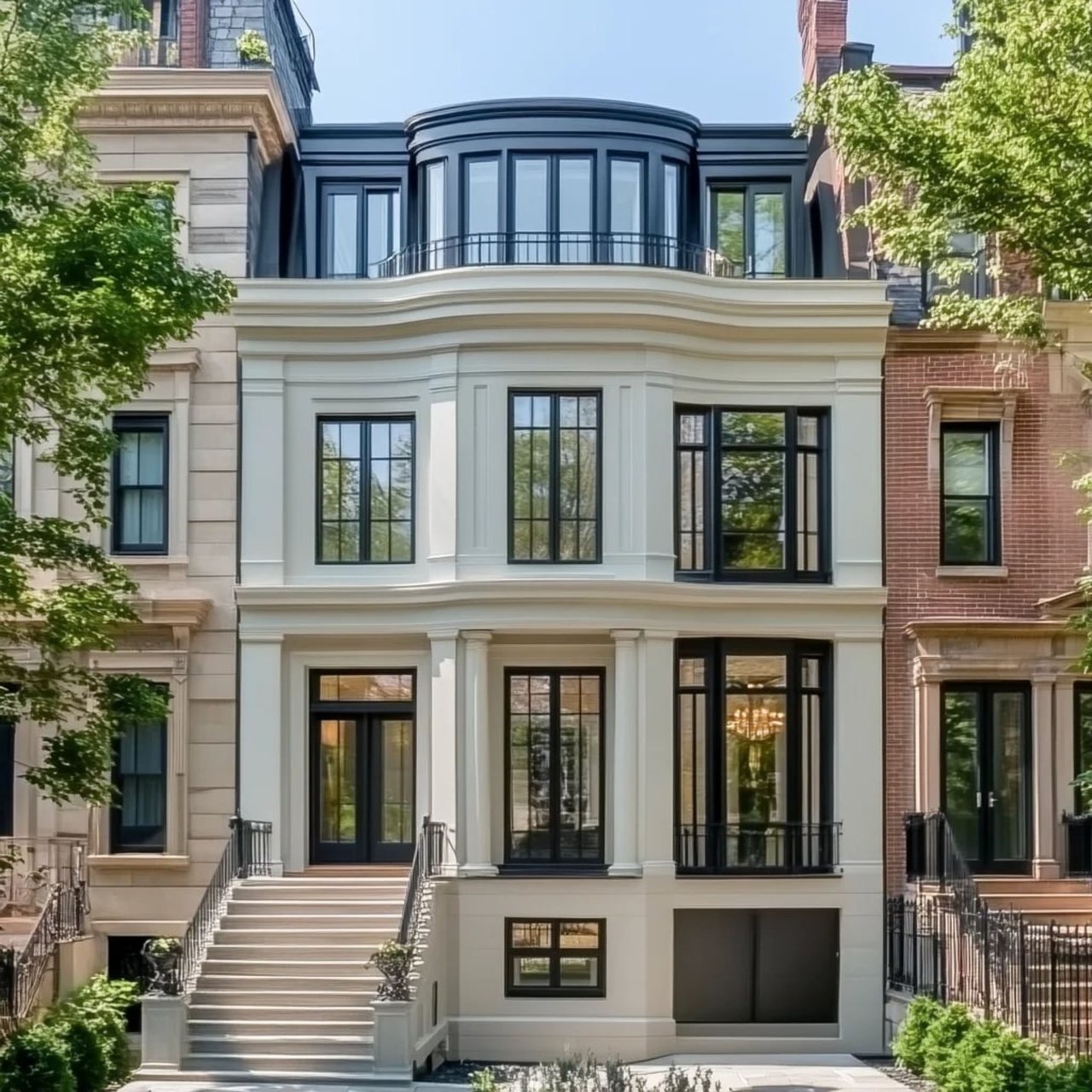
Buyers specifically drawn to authentic Victorian rowhouse architecture — floor-through condos with original moldings, bay windows, and high ceilings — represent a core and consistent segment of South End demand, distinct from buyers seeking newer full-service buildings.
Investors and Rental Property Owners
Given the neighborhood's renter-majority population and consistently strong rental demand — average rents around $3,900 to $4,085 monthly — the South End continues to attract investors seeking steady occupancy in a supply-constrained submarket.
For Buyers
For Sellers
Historic Preservation and the Architectural District
The South End is one of the largest Victorian historic districts in the country, meaning exterior modifications and many visible changes require Landmarks Commission review. Buyers should understand these requirements and engage experienced local architects before committing to a renovation vision.
Structural Condition of Brownstone Construction
Built on filled tidal marshland, many South End brownstones rest on timber pilings that require ongoing maintenance. Buyers should request documentation on foundation condition, groundwater management, and any prior underpinning work, and consider a structural engineer's review before closing.
Building Type and HOA Structure
The South End offers a genuine choice between self-managed brownstone condo associations with lower monthly costs and full-service amenity buildings along Harrison Avenue and Ink Block with elevators and concierge service. Buyers should weigh amenity access against carrying costs based on their priorities.
Micro-Market Positioning
Union Park, SoWa, Ink Block, and the Tremont Street restaurant corridor each represent distinct pricing tiers and lifestyle profiles within the South End. Buyers should evaluate which micro-location best matches their priorities rather than treating the neighborhood as a single uniform market.
Investment vs. Primary Residence Positioning
With price per square foot in the $1,100 to $1,220 range, the South End's investment case is driven primarily by structural scarcity and long-term appreciation rather than high cash-flow yield. Buyers purchasing with rental income in mind should model realistic rents (roughly $3,900 to $4,085 for typical units) against full carrying costs.
Target Buyer Profile
The South End draws young professionals, creative and arts-oriented buyers, healthcare and academic professionals, and investors — a genuinely broad buyer pool relative to more singularly luxury-focused Boston neighborhoods. Marketing that speaks to the neighborhood's dining scene, gallery culture, and walkability will resonate across these buyer types.
Highlight Architectural Character
Original moldings, bay windows, high ceilings, and brownstone facades are primary value drivers for South End floor-through condos. Marketing should showcase these period details alongside any modern updates and the property's specific proximity to Union Park, SoWa, or Tremont Street.
Pricing Strategy
With inventory up substantially year-over-year, accurate pricing relative to current comparable sales — not peak 2023 pricing — is essential. Brownstone conversions, full-service condos, and townhouses each require distinct comparable analysis given the meaningful price variation across product types and specific blocks.
Professional Marketing
High-quality photography, floor plans, and marketing that emphasizes the South End's historic character, dining and arts scene, and walkability to Back Bay and downtown are essential for reaching both local and out-of-state buyers evaluating the neighborhood from a distance before an in-person visit.
28,414 people live in South End, where the median age is 40 and the average individual income is $118,222. Data provided by the U.S. Census Bureau.
Total Population
Median Age
Population Density
Average individual Income
There's plenty to do around South End, including shopping, dining, nightlife, parks, and more. Data provided by Walk Score and Yelp.
Explore popular things to do in the area, including Savory Food Truck, Buchsbaum Marion MD, and Parminder Amy MD.
| Name | Category | Distance | Reviews |
Ratings by
Yelp
|
|---|---|---|---|---|
| Dining | 0.25 miles | 0 reviews | 0/5 stars | |
| Active | 0.26 miles | 0 reviews | 0/5 stars | |
| Active | 0.26 miles | 0 reviews | 0/5 stars | |
| Active | 0.26 miles | 0 reviews | 0/5 stars | |
| Active | 0.26 miles | 0 reviews | 0/5 stars | |
| Active | 0.26 miles | 0 reviews | 0/5 stars | |
| Active | 0.26 miles | 0 reviews | 0/5 stars | |
| Active | 0.26 miles | 0 reviews | 0/5 stars | |
| Active | 0.26 miles | 0 reviews | 0/5 stars | |
| Active | 0.26 miles | 0 reviews | 0/5 stars | |
| Active | 0.26 miles | 0 reviews | 0/5 stars | |
| Active | 0.26 miles | 0 reviews | 0/5 stars | |
| Active | 0.26 miles | 0 reviews | 0/5 stars | |
| Active | 0.26 miles | 0 reviews | 0/5 stars | |
| Active | 0.26 miles | 0 reviews | 0/5 stars | |
| Active | 0.26 miles | 0 reviews | 0/5 stars | |
| Active | 0.26 miles | 0 reviews | 0/5 stars | |
| Active | 0.26 miles | 0 reviews | 0/5 stars | |
| Active | 0.26 miles | 0 reviews | 0/5 stars | |
| Active | 0.26 miles | 0 reviews | 0/5 stars | |
| Active | 0.26 miles | 0 reviews | 0/5 stars | |
| Active | 0.26 miles | 0 reviews | 0/5 stars | |
| Active | 0.26 miles | 0 reviews | 0/5 stars | |
| Beauty | 0.22 miles | 0 reviews | 0/5 stars | |
|
|
||||
|
|
||||
|
|
||||
|
|
||||
|
|
||||
|
|
South End has 14,753 households, with an average household size of 2. Data provided by the U.S. Census Bureau. Here’s what the people living in South End do for work — and how long it takes them to get there. Data provided by the U.S. Census Bureau. 28,414 people call South End home. The population density is 43,754 and the largest age group is Data provided by the U.S. Census Bureau.
Total Population
Population Density Population Density This is the number of people per square mile in a neighborhood.
Median Age
Men vs Women
Population by Age Group
0-9 Years
10-17 Years
18-24 Years
25-64 Years
65-74 Years
75+ Years
Education Level
Total Households
Average Household Size
Average individual Income
Households with Children
With Children:
Without Children:
Blue vs White Collar Workers
Blue Collar:
White Collar:
277 Dartmouth St 3rd Fl Boston MA 02116-1808
277 Dartmouth St 3rd Fl Boston MA 02116-1808