Back Bay MA Real Estate & Luxury Homes for Sale
Sophisticated neighborhood with upscale shopping and dining
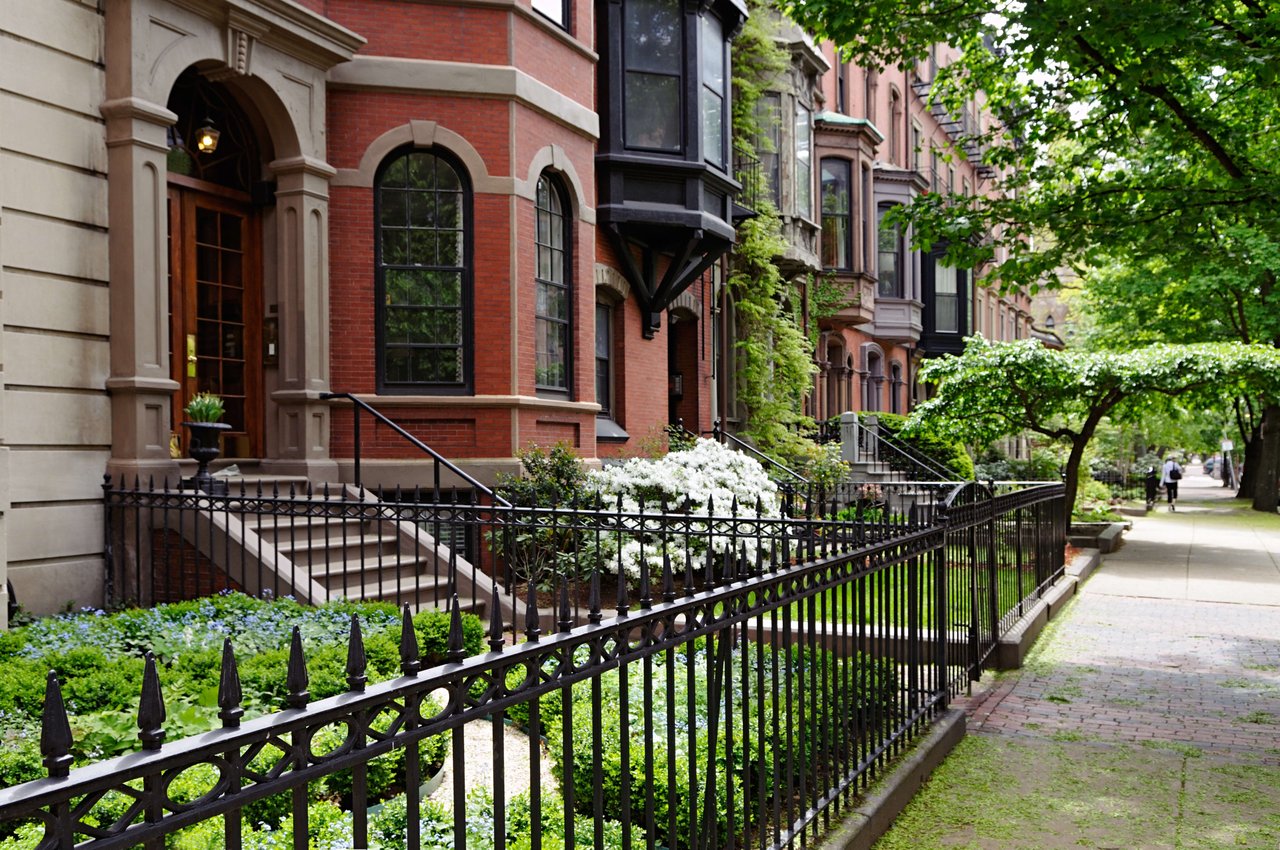
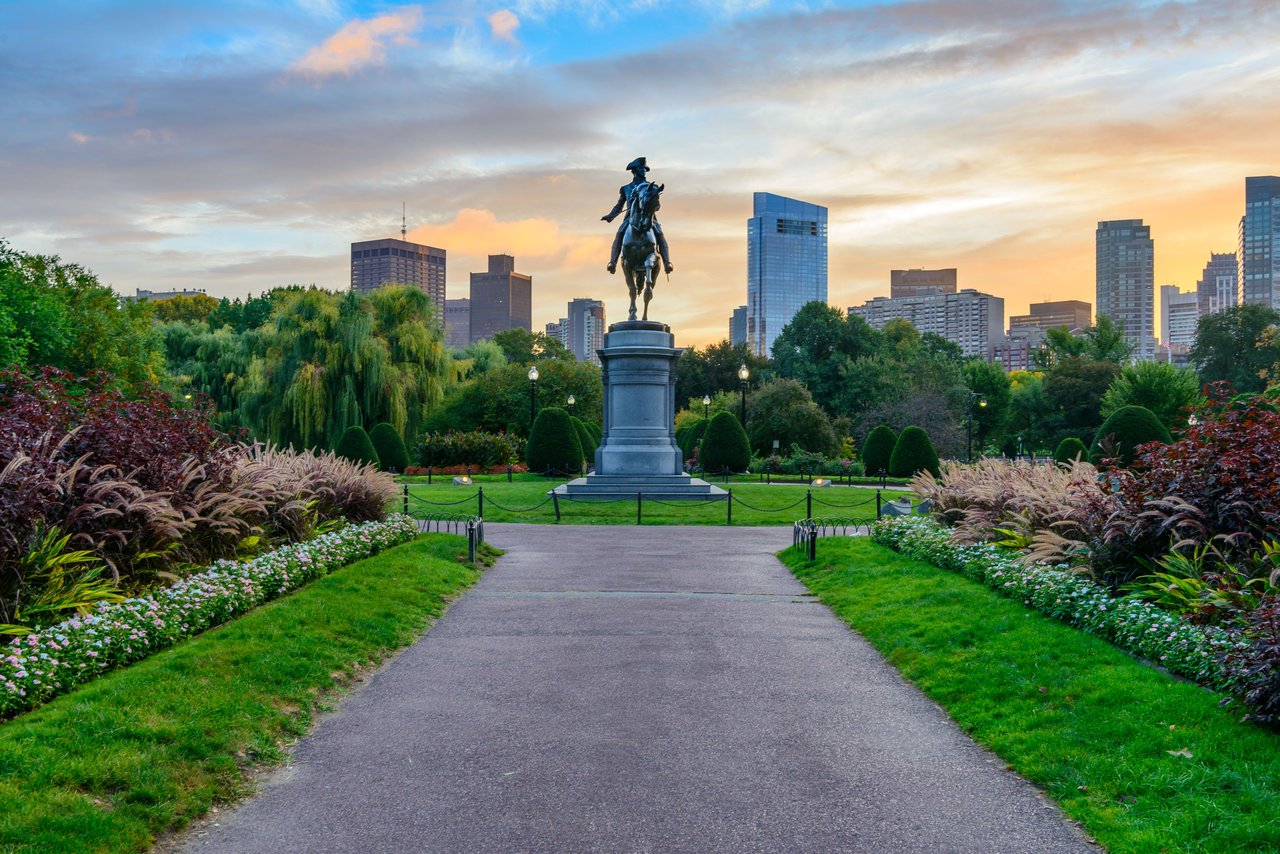
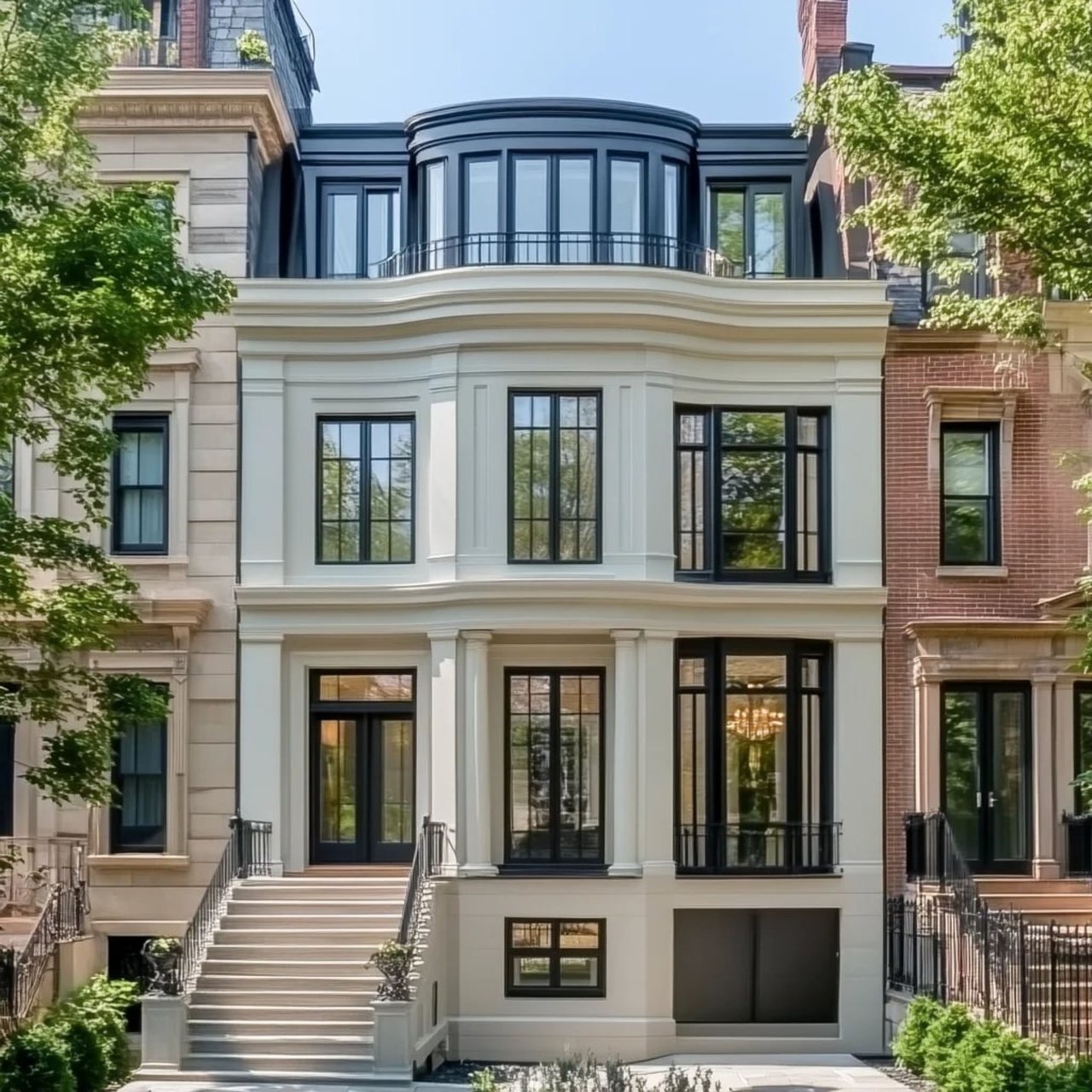
Back Bay is a sophisticated Boston neighborhood with elegant historic architecture and upscale shopping and dining along Newtown Street and at Copley Square. Back Bay is a quintessential area of Boston featuring numerous major landmarks. Development of Back Bay began in the Charles River basin in 1859. Back Bay’s historic properties include distinctive rows of Victorian brownstones and grand 19th-century mansions along the Paris-inspired Commonwealth Avenue. The neighborhood also features some of Boston’s most sought-after luxury condominiums. Many of the Boston skyline’s most recognizable skyscrapers are located in Back Bay, including New England’s tallest building, the former John Hancock Tower now known as 200 Clarendon. Discover Back Bay Real Estate with Beth Dickerson!
Historic and contemporary landmarks
Luxury condominiums
Newbury Street shopping
Charles River Esplanade
A variety of fine Back Bay houses for sale to choose from
Back Bay is one of Boston’s most desirable neighborhoods. Homes are just steps away from some of the city’s finest shopping and dining. There’s also outdoor recreation along the Charles River and beautiful historic architecture to explore at Copley Square. Back Bay’s real estate market is full of historic homes and contemporary condominiums that offer luxurious living spaces in one of the city’s most exciting neighborhoods.
Newbury Street is one of Boston’s premier shopping streets with eight historic blocks of designer boutiques, fashion brands, and art galleries. Retail highlights include stylish womenswear stores Joie, INTERMIX and No Rest for Bridget and menswear specialists Alton Lane Boston and Indochino. Stephanie’s on Newbury is a favorite spot for patio dining with New England dishes, and Piattini pairs elegant Italian small plates and entrees with an excellent wine list.
The Shops at Prudential Center Boston on Boylston Street features over 75 retailers, including brands such as Ann Taylor, Lord & Taylor, and Saks Fifth Avenue. Other retailers along Boylston Street include men’s clothing store Bonobos and a flagship Apple Store. The Four Seasons Hotel’s The Bristol restaurant and bar offers sophisticated dining breakfast through dinner. Stop by during the weekend for The Bristol’s brunch specials.
The Copley Place shopping center on Hunting Avenue features premium fashion brands including Hugo Boss, Bottega Veneta, Burberry, Chanel, Dior, Christian Louboutin, Coach, Gucci, Jimmy Choo, Neiman Marcus, and Tiffany & Co.
The Prudential Center features a similarly impressive lineup of retailers. Eataly Boston at The Prudential Center is an enormous Italian market, and the store sells every kind of imported Italian grocery imaginable alongside locally produced cheeses and several restaurants serving authentic Italian cooking. Unique local retailers include Trident Booksellers and Café, which offers an impressive amount of reading material to enjoy with a coffee. At Bodega, Boston’s hottest sneaker shop is hidden within what looks at first like an ordinary convenience store.
This lively neighborhood has many unique nightlife spots. Bukowski Tavern is a tiny hole-in-the-wall bar with over 100 beers on sale. Champions at the Boston Marriott Copley Place is almost the Bukowski’s polar opposite, being illuminated with over 40 screens showing sports.
Copley Square is surrounded by landmarks, including 200 Clarendon and a number of significant historic buildings. Boston Public Library has a collection spanning more than 24 million items housed within a beautifully designed Italian Renaissance-style building. The 1873 Gothic Revival-style Old South Church and 1877 Romanesque Revival-style Trinity Church are two of the prettiest churches in New England.
The Mapparium is an unusual local attraction featuring the world’s largest walk-in globe. The Mapparium was completed in the 1930s, and its frozen-in-time rendering of the world map adds to its curious appeal. The Charles River Esplanade runs for 17 miles along the banks of the Charles River. This beautiful area features multi-use trails, playgrounds, and community boat launches.
Back Bay belongs to the Boston Public School District. Highlights include:
Boston Architectural College, Private, Higher Education (oldest independent architecture school in the United States)
New England College of Optometry, Private, Higher Education (oldest optometry college in the United States)
Living in Back Bay means experiencing one of Boston's most iconic and architecturally magnificent neighborhoods — a meticulously planned Victorian urban landscape built on filled-in tidal flats in the 1860s through 1880s, designed as a grid of grand boulevards lined with brownstones that represents one of the most complete examples of 19th-century urban planning in the United States. Bounded by the Charles River Esplanade to the north, Copley Square and the South End to the south, and anchored by Newbury Street's world-class shopping and dining corridor, Back Bay combines historic grandeur with a 100 Walk Score that makes it the most pedestrian-complete residential neighborhood in all of Boston.
Residents enjoy an unmatched urban lifestyle with immediate access to Newbury Street's boutiques and restaurants, Copley Square's Trinity Church and Boston Public Library, the Charles River Esplanade for running and cycling, Symphony Hall, the New England Conservatory, and the Boston Marathon's Boylston Street finish line. The neighborhood's convergence of Green Line subway access at Copley and Hynes stations with Back Bay Station's Amtrak, Commuter Rail, and Silver Line service creates the most transit-rich residential address in Greater Boston — connecting residents to Logan Airport, the Financial District, and the broader New England corridor with genuine ease.
Back Bay stands as one of Boston's most prestigious and iconic real estate markets, commanding price-per-square-foot averages above $1,000 — among the highest in Greater Boston alongside Beacon Hill and the Seaport. The neighborhood is defined by its Victorian brownstones, luxury high-rise condominiums with Charles River and city skyline views, and beautifully restored full-floor residences in historic buildings that have never delivered a permanent price loss across any market cycle since the neighborhood's creation in the 1860s. The median home price in Back Bay sits at approximately $1.46 million to $2.1 million depending on the data source, with home sales starting in the mid-$400,000s for smaller condominium units and climbing to approximately $15 million for luxury residences with unobstructed Charles River views.
Back Bay's market is characterized by critically scarce inventory and a high proportion of all-cash transactions — a cash-buyer dominance that insulates the neighborhood from mortgage rate volatility affecting other Boston submarkets and reflects the financial profile of buyers who target this specific address. Properties at $1,447 to $1,627 per square foot position Back Bay at the premium end of the Boston luxury spectrum, and the neighborhood's combination of historic preservation standards, limited new development opportunity, and enduring international recognition as Boston's premier residential address supports long-term appreciation that has proven durable across every economic cycle the city has experienced.
Professionals and Financial Industry Leaders
Back Bay's immediate proximity to the Financial District, Copley's professional services corridor, and the Back Bay Station's regional rail connections make it the premier choice for Boston's most senior finance, law, consulting, and corporate professionals — buyers who value the address's prestige alongside its practical commuting infrastructure.
International and Out-of-State Buyers
Many Back Bay condominiums are purchased as Boston landing pads by buyers whose primary residence is elsewhere. The neighborhood's full-service amenity buildings, security infrastructure, walk-everywhere convenience, and globally recognized address make it ideal for part-time use by buyers from New York, London, and international markets who maintain a Boston presence.
Healthcare and Academic Professionals
Boston's extraordinary concentration of world-class hospitals and universities — Massachusetts General Hospital, Brigham and Women's, Harvard Medical School, MIT, and Boston University all within accessible distance — gives Back Bay a consistent population of senior physicians, researchers, and academic leaders who value the neighborhood's walkability, cultural infrastructure, and the prestige of the address.
Empty Nesters and Downsizing LuxuryBuyers
Back Bay's full-service condominium buildings, extraordinary walkability, cultural programming anchored by Symphony Hall and the Institute of Contemporary Art, and the absence of car dependence make it one of Greater Boston's most sought-after retirement and downsizing destinations for buyers transitioning from larger suburban properties.
For Buyers
For Sellers
Historic Preservation and the Architectural District
Back Bay is a designated architectural historic district, which means exterior modifications — window replacements, additions, facade changes, and some interior alterations visible from the street — may require Boston Landmarks Commission review. Buyers should understand these requirements before purchasing and evaluate any planned improvements against the Commission's guidelines, engaging experienced local architects and attorneys familiar with Back Bay preservation standards before committing to a specific renovation vision.
Building Quality, HOA Financial Health, and Special Assessment Risk
Back Bay's condominium buildings span from 19th-century brownstone conversions to modern high-rises, with enormous variation in building quality, HOA financial reserves, and the risk of special assessments. Boston's shifting commercial real estate valuations are pushing more tax burden onto residential properties, and combined with rising condo fees and insurance costs, the carrying cost calculation matters more in 2026 than raw purchase price alone. Buyers should request and review full HOA financials, reserve fund studies, meeting minutes, and any pending assessment documentation before closing on any Back Bay condominium.
Deeded Parking
Deeded parking is extraordinarily scarce in Back Bay — a rare deeded parking spot can add $50,000 to $100,000 to a property's value. Buyers who require consistent vehicle access should verify parking availability, whether through deeded space, rental arrangement, or nearby garage, as part of their property evaluation before making an offer.
Investment vs. Primary Residence Positioning
Back Bay is not a cap-rate market at $1,627 per square foot — cash-flow investing requires significant leverage and patience. The investment thesis is appreciation-led, supported by the neighborhood's history of never delivering a permanent price loss across any cycle since creation. Buyers purchasing as an investment should model appreciation assumptions honestly and evaluate the rental ceiling ($6,000 to $8,000 per month for premium 2-bedrooms) against total carrying costs before proceeding.
Target Buyer Profile
Back Bay attracts professionals, executives, international buyers, empty nesters, and luxury downsizers seeking an unparalleled urban lifestyle — buyers who prioritize walkability, architectural distinction, cultural infrastructure, and the prestige of a globally recognized Boston address over suburban space and school access. Marketing that speaks precisely to this profile — the 100 Walk Score, the Symphony Hall adjacency, the Newbury Street lifestyle, the Charles River Esplanade — will consistently outperform generic luxury real estate messaging.
Highlight Architectural Character
Original architectural details — high ceilings, ornamental fireplaces, wide-plank hardwood floors, bay windows, crown molding, and the distinctive brownstone facade — are primary value drivers for Back Bay brownstone floor-throughs and conversions. Marketing should showcase these period details alongside any modern renovations, professional staging, and the building's specific positioning relative to key Back Bay landmarks and street-level amenities..
Pricing Strategy
Pricing should reflect recent comparable sales within the same building tier — luxury high-rise versus brownstone conversion versus mid-rise condominium — adjusted for floor, view orientation, renovation quality, and the presence or absence of deeded parking. The spread between Back Bay's most accessible entry-level units and its premier Charles River view residences is wide enough that citywide medians are wholly inadequate for pricing any specific property. Working with an agent deeply familiar with Back Bay's micro-market pricing structure — building by building, floor by floor — is the most reliable foundation for a successful listing strategy.
Professional Marketing
High-quality architectural photography, cinematic video, virtual tours with detailed floor plans, and marketing that emphasizes Back Bay's historic character, 100 Walk Score, transit connectivity, and cultural adjacency are essential for reaching Back Bay's buyer profile — which includes significant out-of-state and international buyer segments who make initial decisions based on online and network presentations before ever visiting the property in person.
18,482 people live in Back Bay, where the median age is 36 and the average individual income is $136,771. Data provided by the U.S. Census Bureau.
Total Population
Median Age
Population Density
Average individual Income
There's plenty to do around Back Bay, including shopping, dining, nightlife, parks, and more. Data provided by Walk Score and Yelp.
Explore popular things to do in the area, including The Cake Shop Capital, Martins News, and Ministry Of Supply.
| Name | Category | Distance | Reviews |
Ratings by
Yelp
|
|---|---|---|---|---|
| Dining | 0.16 miles | 0 reviews | 0/5 stars | |
| Dining | 0.27 miles | 0 reviews | 0/5 stars | |
| Shopping | 0.1 miles | 2 reviews | 2.5/5 stars | |
| Shopping | 0.15 miles | 4 reviews | 5/5 stars | |
| Shopping | 0.19 miles | 2 reviews | 5/5 stars | |
| Shopping | 0.25 miles | 4 reviews | 5/5 stars | |
| Shopping | 0.27 miles | 0 reviews | 0/5 stars | |
| Shopping | 0.27 miles | 0 reviews | 0/5 stars | |
| Shopping | 0.3 miles | 1 review | 5/5 stars | |
| Shopping | 0.4 miles | 3 reviews | 2.7/5 stars | |
| Shopping | 0.48 miles | 0 reviews | 0/5 stars | |
| Active | 0.23 miles | 0 reviews | 0/5 stars | |
| Active | 0.26 miles | 0 reviews | 0/5 stars | |
| Active | 0.26 miles | 0 reviews | 0/5 stars | |
| Nightlife | 0.42 miles | 0 reviews | 0/5 stars | |
| Beauty | 0.04 miles | 15 reviews | 3.1/5 stars | |
| Beauty | 0.11 miles | 9 reviews | 4.7/5 stars | |
| Beauty | 0.25 miles | 0 reviews | 0/5 stars | |
| Beauty | 0.25 miles | 0 reviews | 0/5 stars | |
| Beauty | 0.25 miles | 4 reviews | 4.3/5 stars | |
| Beauty | 0.3 miles | 0 reviews | 0/5 stars | |
|
|
||||
|
|
||||
|
|
||||
|
|
||||
|
|
||||
|
|
Back Bay has 10,579 households, with an average household size of 2. Data provided by the U.S. Census Bureau. Here’s what the people living in Back Bay do for work — and how long it takes them to get there. Data provided by the U.S. Census Bureau. 18,482 people call Back Bay home. The population density is 39,039 and the largest age group is Data provided by the U.S. Census Bureau.
Total Population
Population Density Population Density This is the number of people per square mile in a neighborhood.
Median Age
Men vs Women
Population by Age Group
0-9 Years
10-17 Years
18-24 Years
25-64 Years
65-74 Years
75+ Years
Education Level
Total Households
Average Household Size
Average individual Income
Households with Children
With Children:
Without Children:
Blue vs White Collar Workers
Blue Collar:
White Collar:
277 Dartmouth St 3rd Fl Boston MA 02116-1808
277 Dartmouth St 3rd Fl Boston MA 02116-1808