When Boston Came to the Sea: The Summer Estates of the North Shore
Long before the North Shore became synonymous with grand seaside estates, it was a landscape of rocky coastline, quiet beaches, working farms and small coastal villages. Then, in the decades following the Civil War, something began to change.
For Boston's most prosperous families, summer was becoming a season unto itself. With improved transportation making the coast increasingly accessible from the city, families began looking beyond Boston for a place to escape the heat, noise and formality of urban life. The North Shore offered an irresistible combination: proximity to Boston, beautiful coastal landscapes and a sense of privacy that was increasingly difficult to find in the city.
What emerged was a uniquely American tradition: the summer estate.
These were not simply vacation homes. They were grand seasonal residences designed around an entirely different way of living. Families would leave their Boston townhouses for weeks or even months, bringing with them household staff, horses and the rituals of an active social life. The estates became places for long afternoons outdoors, elegant dinners, tennis, sailing, entertaining and, above all, enjoying the extraordinary beauty of the Massachusetts coast.
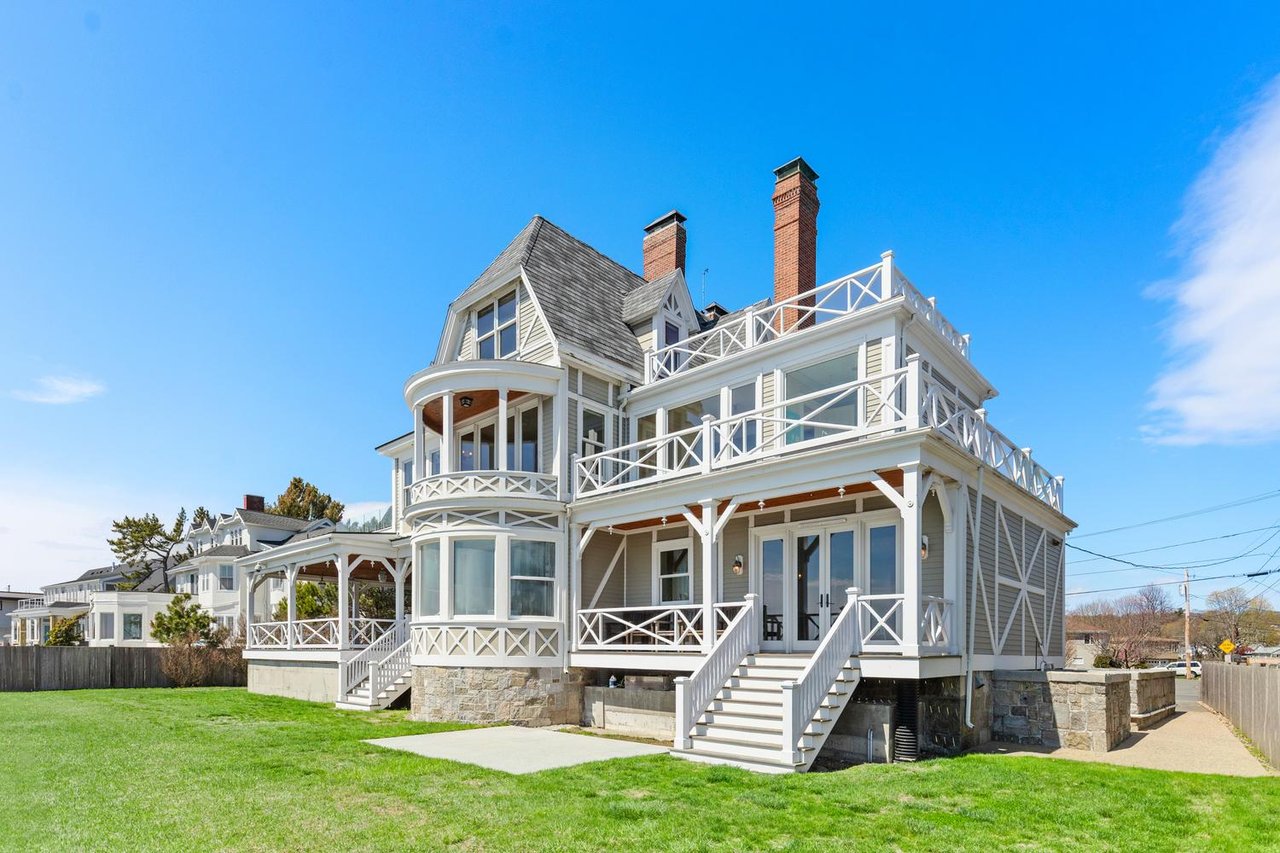
Among the earliest and most remarkable examples of this tradition is Beachhurst, a historic oceanfront estate in Swampscott designed by one of America's most influential architects, Richard Morris Hunt.
Beachhurst: At the Beginning of an Era
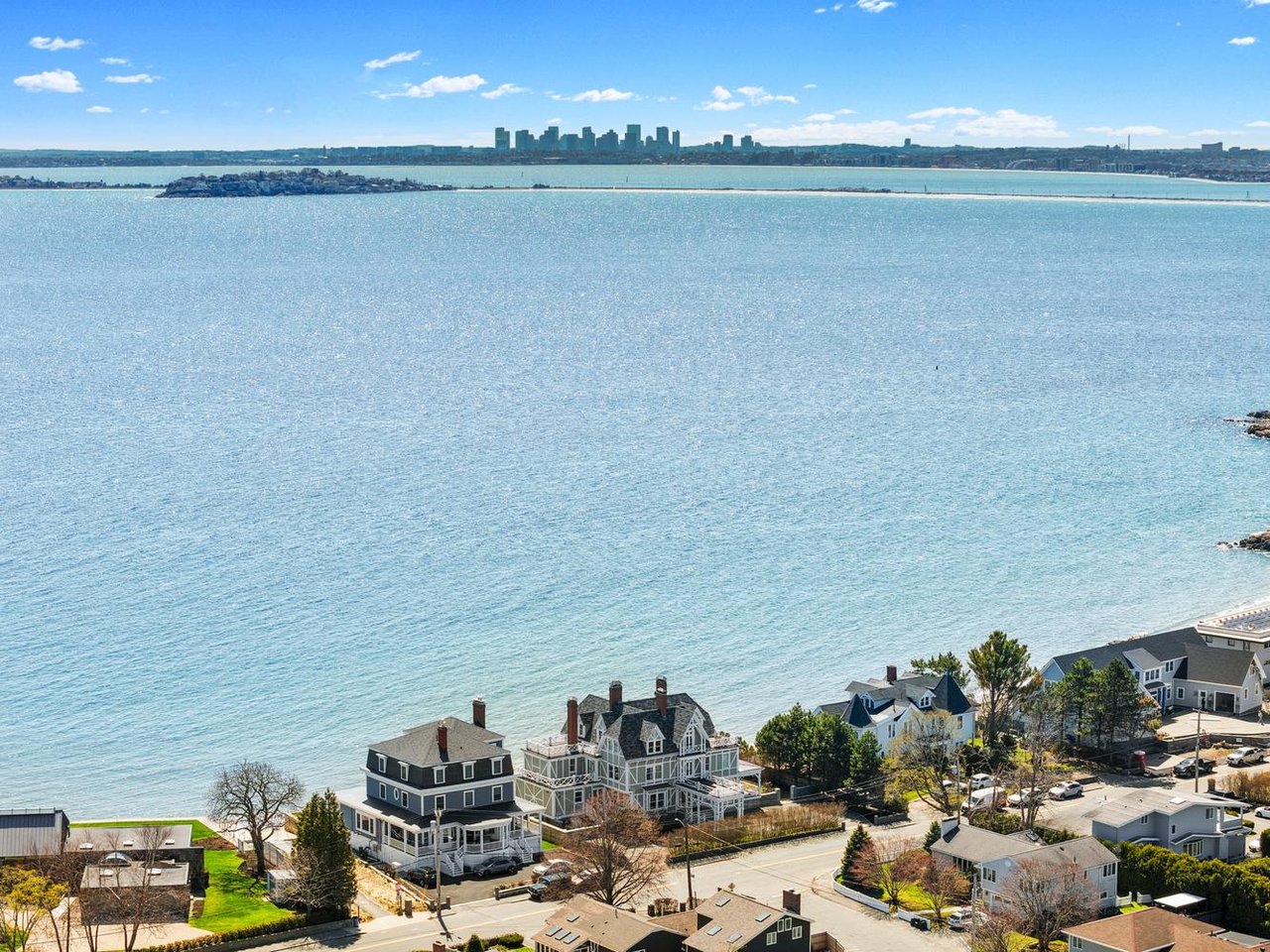
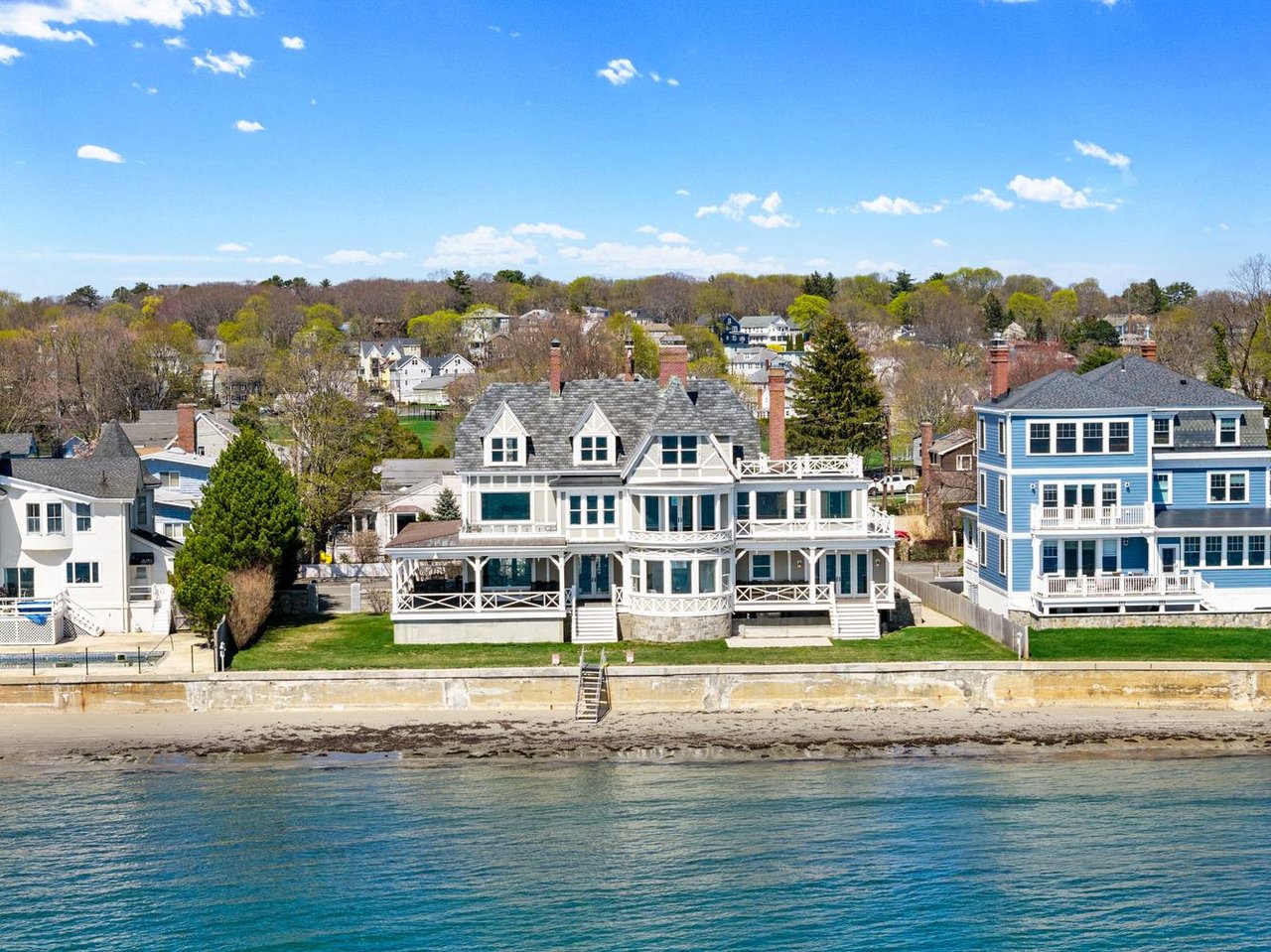
Beachhurst was designed in 1870–71 by Richard Morris Hunt as a summer residence for Dr. Henry Hill Haskell and his wife, Marian Louise Munger Haskell. The setting was extraordinary. The house overlooked what was then known as Whale Beach, now Eisman's Beach.
And its architect was no ordinary architect. Richard Morris Hunt was one of the defining figures of 19th-century American architecture. Educated at the École des Beaux-Arts in Paris, Hunt helped bring a new level of architectural sophistication to America. His later work would include some of the country's most celebrated residences, including The Breakers in Newport and Biltmore for George Vanderbilt.
But Beachhurst belongs to an earlier chapter of his career, before the great Gilded Age estates reached their most extravagant expression.
In many ways, it represents the beginning of the story. Local historian Waldo Thompson wrote in 1885 that Beachhurst was designed by Hunt and called it “one of the handsomest and most convenient” houses along the North Shore.
The Summer Estate as a Way of Life
The most fascinating part of these historic estates may not be their architecture, but the life that took place within them. A great summer house was its own world.
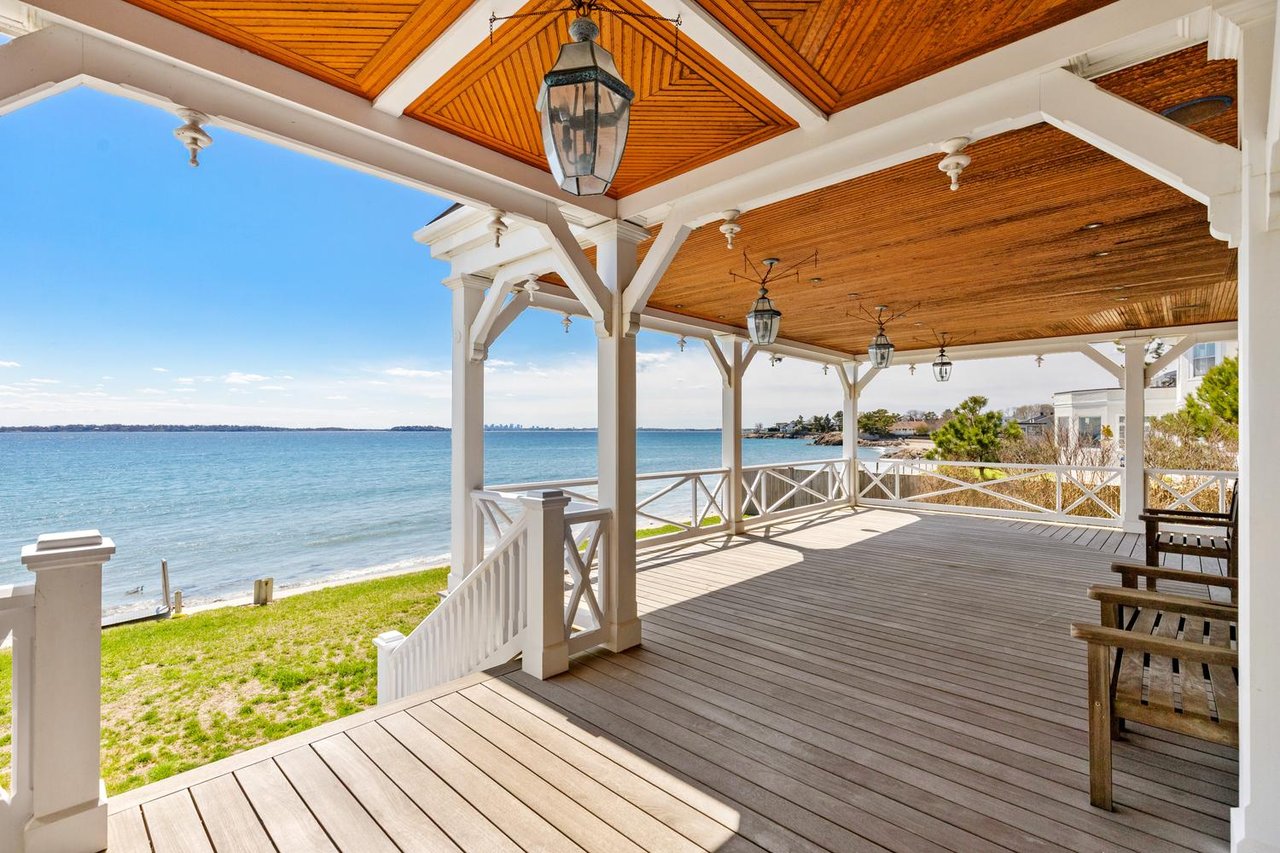
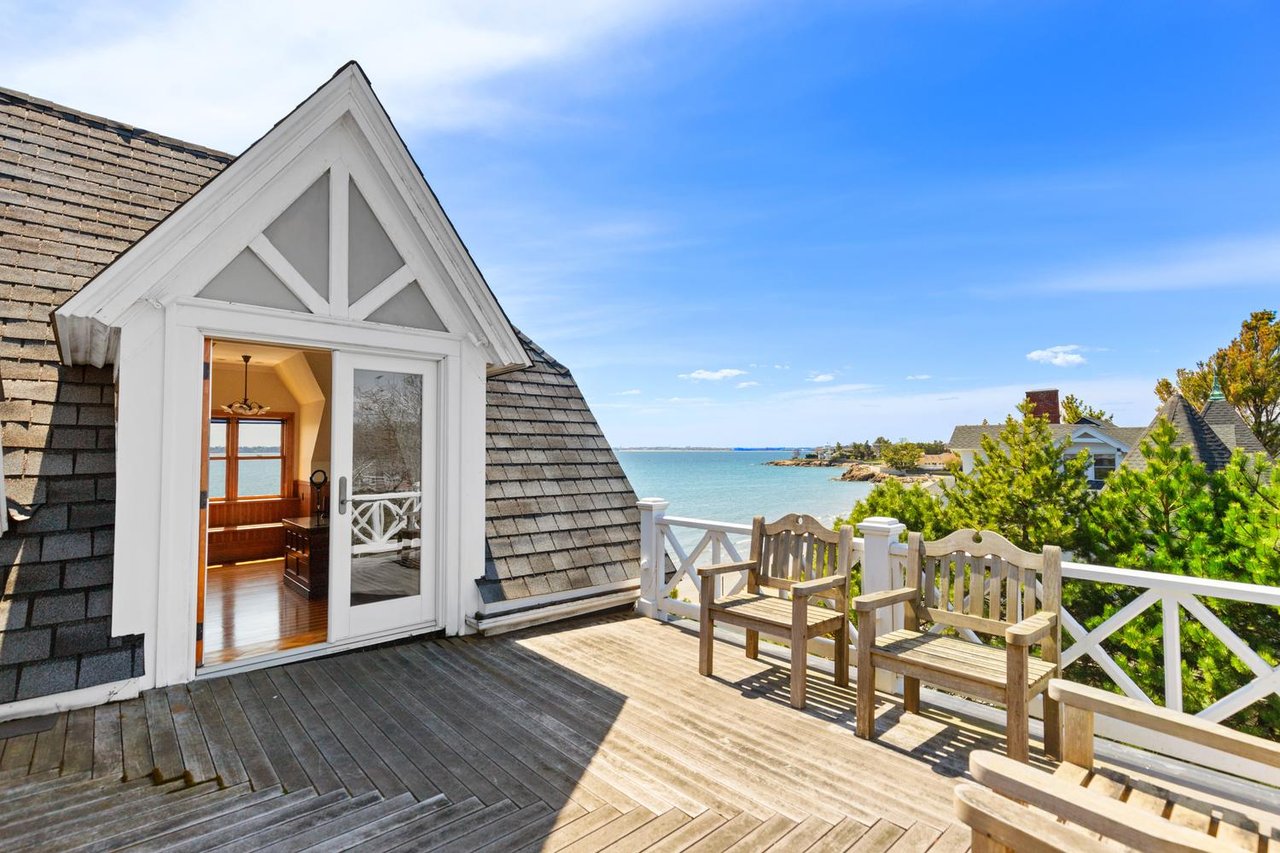
There were expansive lawns and gardens, porches and terraces designed to capture the sea air, reception rooms for entertaining and dining rooms for long summer dinners. Staff quarters, carriage houses and other supporting spaces helped make the seasonal migration possible. Outdoor life was equally important.
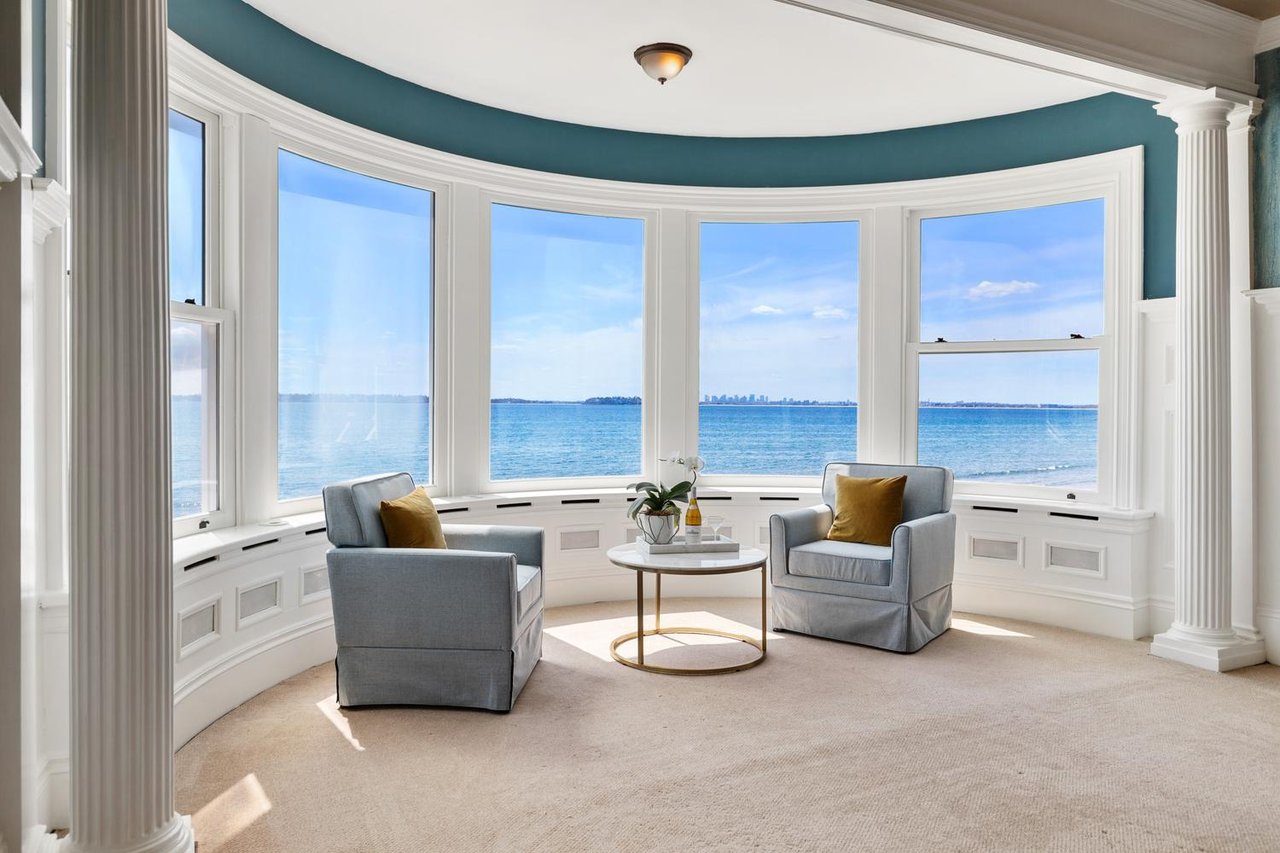
And the landscape was essential. The North Shore was not simply a backdrop for these houses. The architecture was carefully oriented toward the coastline, with windows, porches, terraces and gardens designed to make the most of the ocean and surrounding landscape. The house and its setting became one.
From Victorian Grandeur to the Shingle Style
Beachhurst was built during a fascinating period of transition in American residential architecture. The early 1870s were firmly within the Victorian era, when architecture often embraced elaborate detailing and historical influences. Over the following decades, architects began developing a more distinctly American expression for the summer house.
On the North Shore, this eventually led to the emergence of the Shingle Style, characterized by sweeping rooflines, irregular forms, expansive porches and an emphasis on integrating the house with its natural surroundings. The result was grand, but less formal. Sophisticated, yet distinctly New England.
Beachhurst occupies an important place in this evolution. Built at the beginning of the North Shore's summer-estate era, it predates many of the iconic Shingle Style houses that would follow throughout communities such as Beverly Farms and Manchester-by-the-Sea. It is a surviving link between the elaborate Victorian residences of the 1870s and the more relaxed seaside estates that defined the decades that followed.
The Golden Age of the North Shore
Swampscott, Beverly Farms, Manchester-by-the-Sea, Magnolia and Marblehead attracted some of Boston's most prominent families, who established substantial seasonal estates along the coast. Swampscott alone developed dozens of summer estates during this era. These properties reflected the personalities and tastes of their owners. Some were inspired by European villas and châteaux. Others embraced the emerging Shingle Style or looked to Colonial Revival traditions.
Yet they shared a common purpose: to create a private summer world by the sea. Summer was not simply a vacation. It was a way of life.
Beachhurst Today
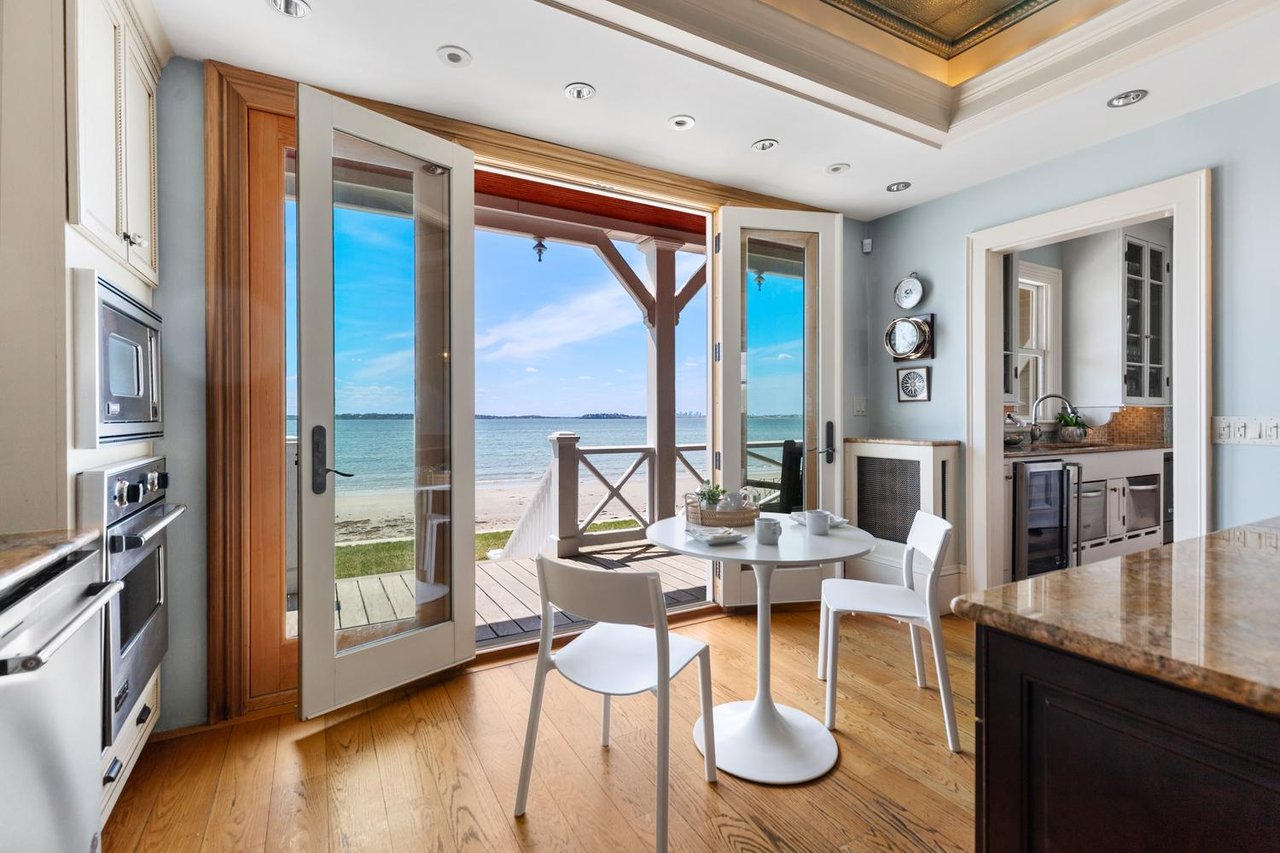
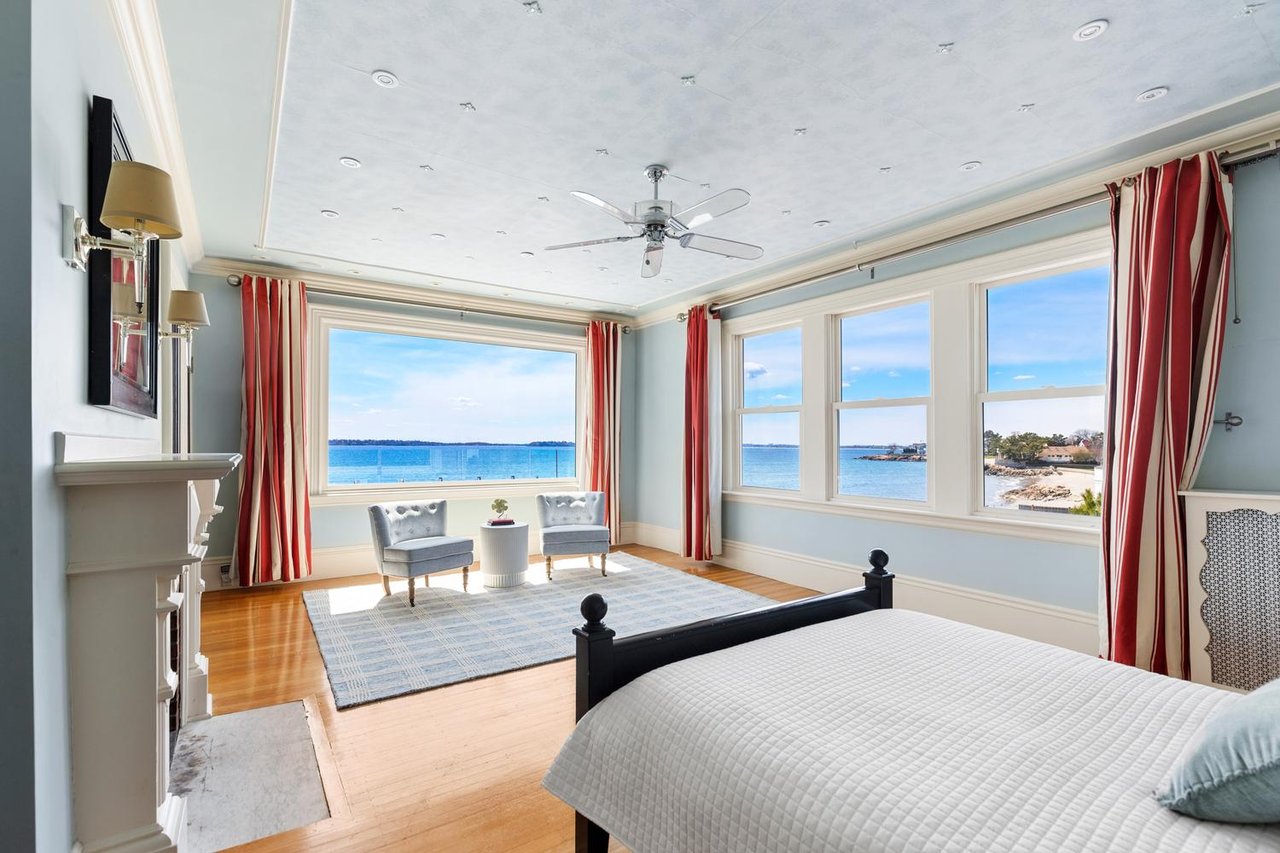
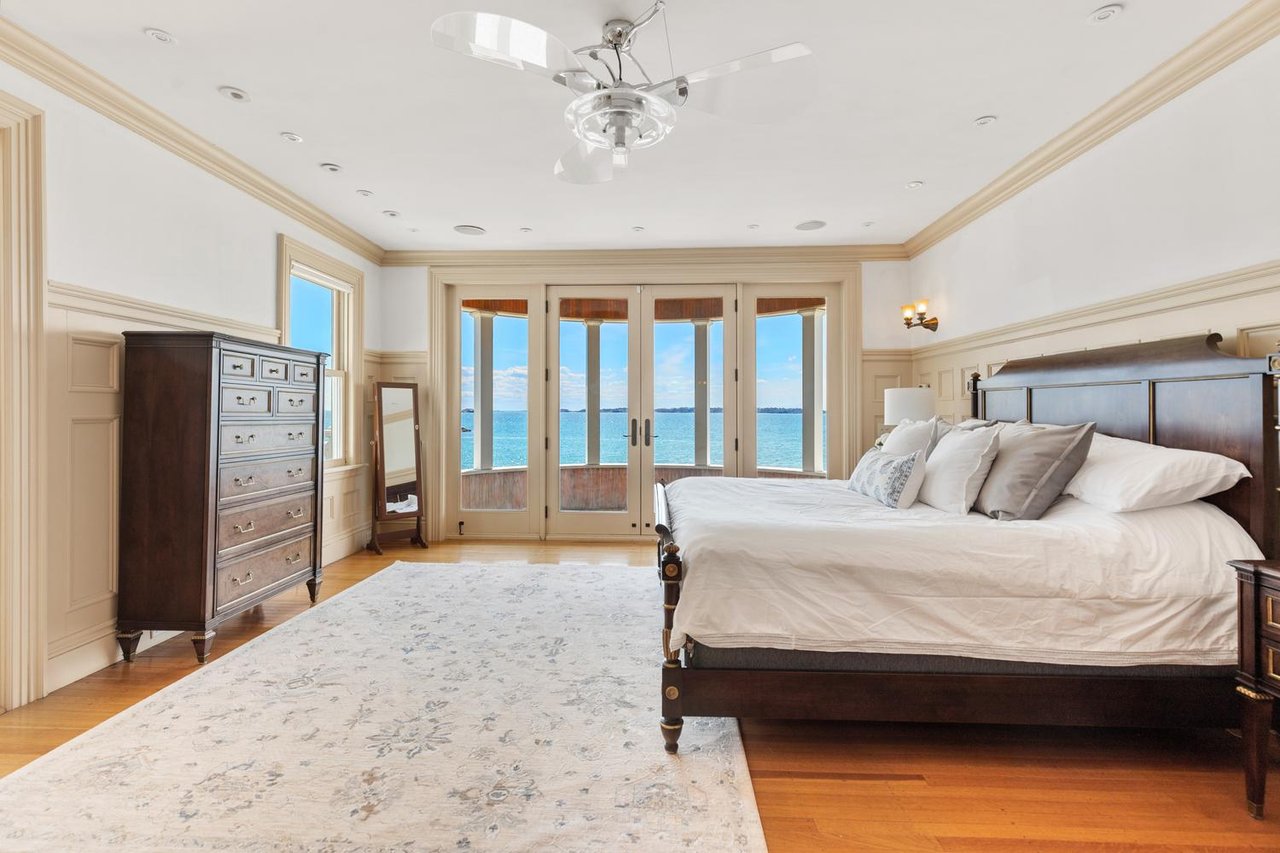
Located at 251 Puritan Road in Swampscott, the estate sits directly along Eisman's Beach, with sweeping views across the water toward the Boston skyline and harbor. The setting captures exactly what drew Boston families to the North Shore generations ago: the ability to feel completely removed from the city while remaining remarkably close to it.
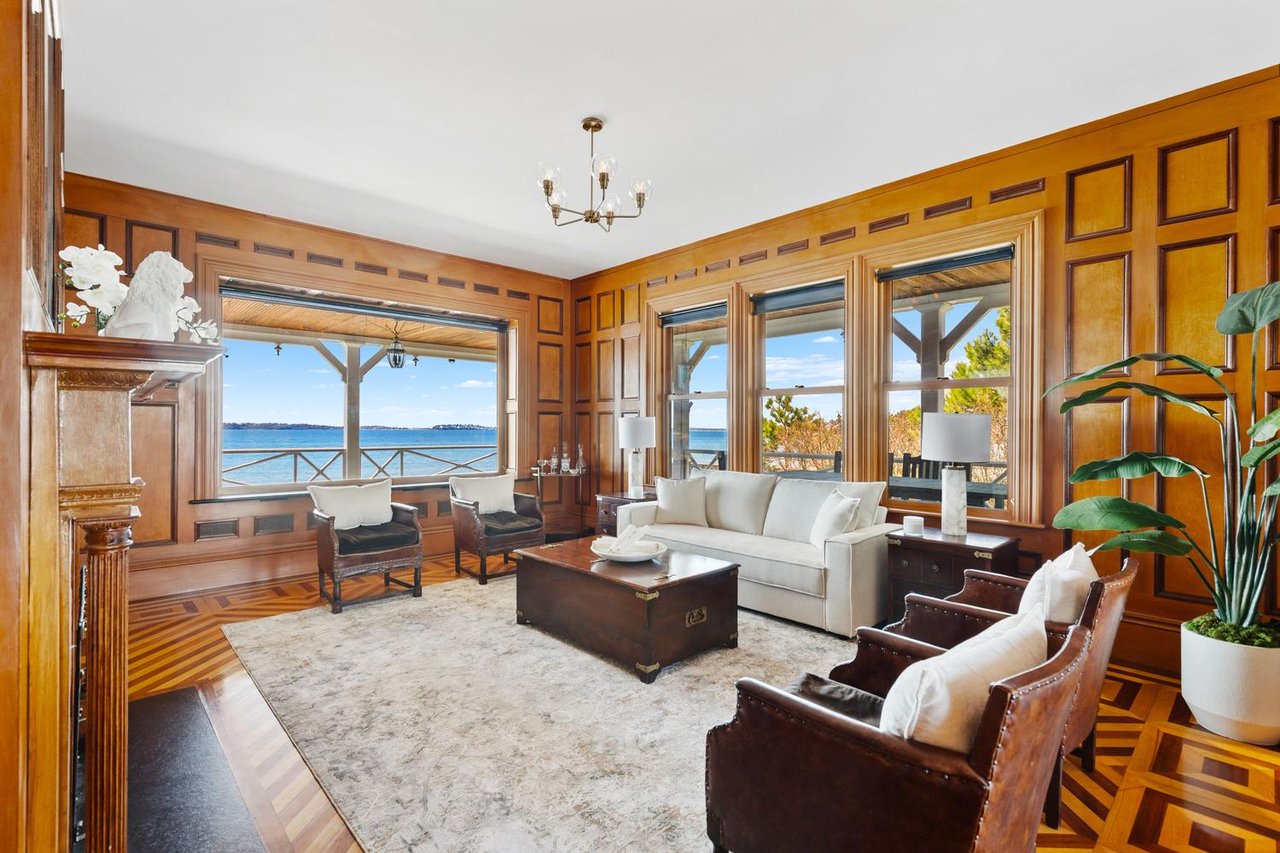
The home has been thoughtfully restored and renovated, preserving many of the architectural details that give Beachhurst its extraordinary character. Inlaid hardwood floors, hand-carved balusters, stained-glass entry doors, rich wood paneling and multiple fireplaces reflect the craftsmanship of another era, while the home has been thoughtfully updated for modern living.
Today, Beachhurst offers something that is increasingly rare: the experience of living in a genuine piece of North Shore history without giving up the comforts of contemporary life.
From the property, the Boston skyline rises across the water, creating a remarkable connection between the city where this tradition began and the seaside retreat that defined it. That connection is perhaps what makes Beachhurst so special. It is more than a historic house. It is a tangible reminder of the moment when Boston's summer life moved to the coast, when America's great architects were creating a new language for the American home, and when the North Shore began its transformation into one of New England's most coveted summer destinations.
Today, that tradition continues at Beachhurst.
A historic Richard Morris Hunt estate. An extraordinary oceanfront setting. And a rare opportunity to experience the timeless North Shore summer lifestyle from one of its most remarkable surviving homes.