Thinking about making Back Bay your Boston home? Maybe you picture tree-lined avenues, elegant brownstones, and mornings that start with a walk along the Charles River. You want a central location that blends culture, convenience, and a refined city pace. In this guide, you’ll learn what daily life actually feels like, how you get around, what types of homes you will find, and the practical details that help you decide if Back Bay fits your goals. Let’s dive in.
Back Bay at a glance
Where Back Bay sits
Back Bay is a centrally located neighborhood set between the Charles River to the north and west, the Fenway and Massachusetts Avenue to the south, and Boston Common and Beacon Hill to the east. You are minutes from downtown offices, the Public Garden, and major cultural landmarks. Boundaries can vary by source, so use official city maps when you want exact lines.
Streets and style
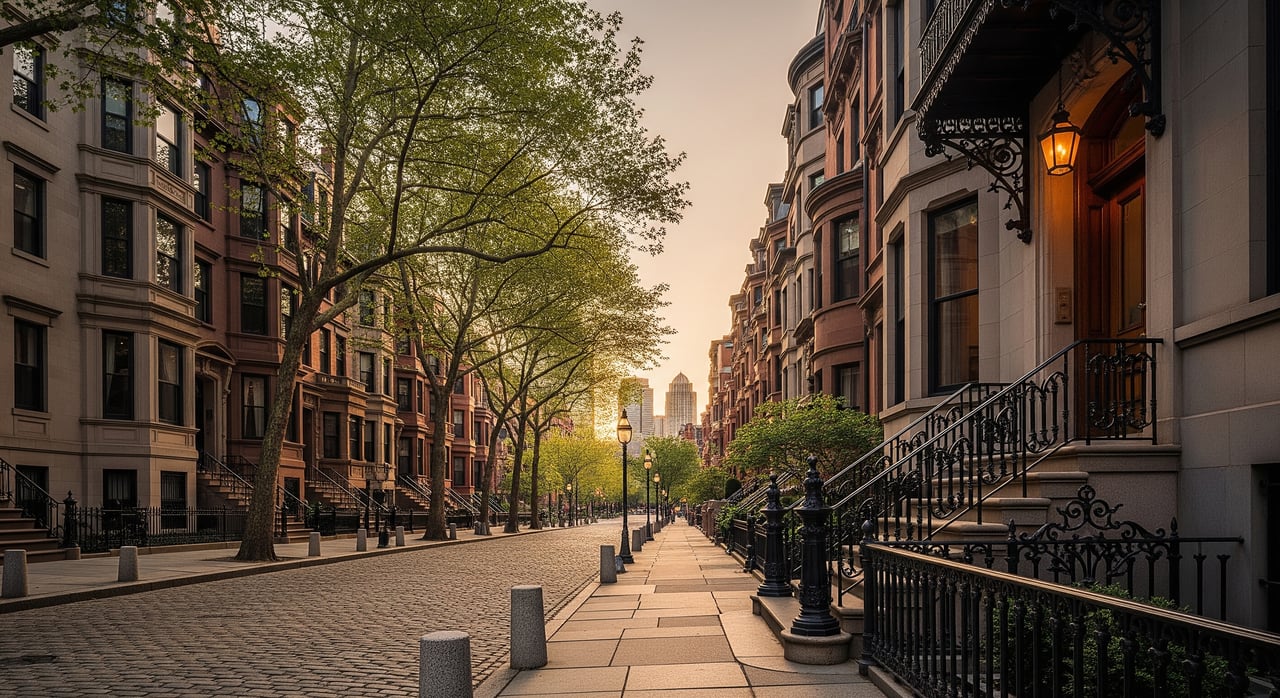
The neighborhood follows a classic grid with wide, walkable avenues like Commonwealth Avenue, Newbury Street, and Beacon Street. The look is cohesive and polished, with granite sidewalks and a mix of brownstones and brownstones. Commercial corridors hum with activity during the day, while residential blocks feel quieter and more private.
Architecture and history
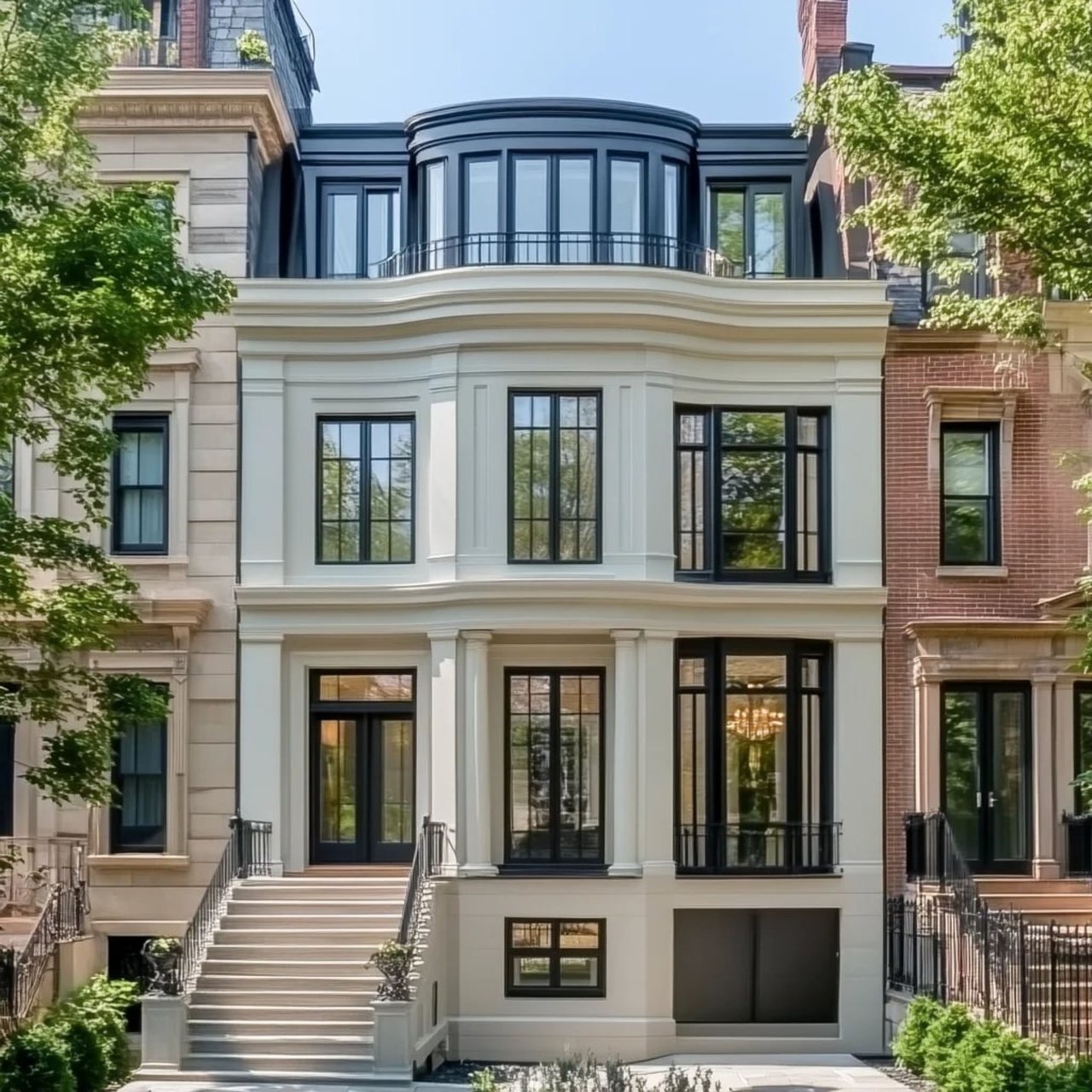
Back Bay’s architecture is a standout. You will see Victorian-era rowhouses, 19th-century cast-iron storefronts, and notable institutions like the Boston Public Library at Copley and Trinity Church. Modern towers at the Prudential Center and Copley Place add skyline drama. Large portions of Back Bay sit within historic districts, so exterior changes often require review and approval. This can extend timelines and influence materials for any renovation.
Lifestyle and daily rhythm
Who chooses Back Bay
Residents include professionals, empty nesters, and some families who value a central address and strong cultural access. There is a healthy mix of owner-occupied condos or co-ops and rentals. Many buyers choose Back Bay for a pied-à-terre because of its walkability and proximity to business districts and the arts.
Shopping and services
Newbury Street is a signature experience, with boutiques, galleries, salons, and cafés that range from luxury to independent. Copley Place and the Prudential Center add enclosed shopping and dining, plus everyday services. Smaller markets and specialty stores are nearby, and many residents use delivery for groceries and essentials.
Dining and evenings
You can find daily coffee spots, neighborhood bistros, and upscale dining throughout the area. Evenings tend to be lively along Boylston and Newbury, especially on event nights, and calmer on residential side streets. Late-night noise is possible close to bars and venues, so it helps to note exact building locations when you evaluate a home.
Parks, culture, and wellness
Esplanade and outdoors
The Charles River Esplanade is a major perk for runners, cyclists, and anyone who loves the water. You have dedicated paths, boating access, scenic bridges, and seasonal events. It is a true extension of your backyard, especially in warmer months.
Copley Square and culture
Copley Square offers civic life, seasonal farmers’ markets, and easy access to cultural heavyweights such as the Boston Public Library. These spaces host community gatherings and provide quiet corners for reading or working.
Fitness and clubs
Boutique studios, gyms, and private clubs are common in and around Back Bay. You can keep up a consistent routine without leaving the neighborhood.
Getting around
MBTA and commuter rail
Transit is one of Back Bay’s strengths. Back Bay Station connects you to the Orange Line and multiple commuter rail routes, with simple transfers to other lines. Many residents commute by subway or rail, which makes downtown, Cambridge, and regional employment centers very reachable.
Driving and parking
Driving is straightforward with access to I‑90 and major surface streets, though traffic can be heavy during peak times. Street parking is limited and often permit-controlled. Many buildings offer garage parking for a fee or have nearby garage options, and visitor parking can be scarce.
Airport and regional connections
Logan International Airport is accessible by car, rideshare, or public transit. Travel time varies with traffic and time of day, so plan ahead when you have flights.
Walkability and biking
Back Bay is one of Boston’s most walkable neighborhoods. Many daily needs, dining options, and cultural sites sit within a short stroll. The area includes bike lanes and bike-share access, and the Esplanade offers dedicated paths, though busy streets and narrow historic roads can affect on-street cycling comfort.
Homes and buildings
What you’ll find
Housing includes single-family brownstones and townhouses, condos in both historic conversions and modern buildings, and co-ops. Floor plans, amenity levels, and services vary widely by address. This diversity lets you choose between period detail or contemporary luxury, depending on your preferences.
Layouts and amenities
Older properties can feature elegant formal rooms, tall ceilings, and original millwork, balanced by narrower staircases, smaller kitchens, and fewer closets. Newer condominiums tend to offer open layouts, elevator access, amenity suites, and building staff. Consider the tradeoffs between historic character and modern convenience.
Renovation realities
Historic-district oversight helps protect the neighborhood’s character. It also means exterior alterations and demolition often require approvals. In condos and co-ops, association rules can shape renovation scope and timing. Build in extra time for design reviews and vendor selection if you plan upgrades.
Inspections and maintenance
For older buildings, prioritize structural assessments, especially given Boston’s fill-land history. Review mechanical systems, building envelope, masonry, and any signs of moisture or settling. In association buildings, review reserves, recent capital projects, and maintenance plans to understand long-term costs.
Costs and carrying considerations
Back Bay is among Boston’s higher-cost neighborhoods, with purchase prices and rents that often exceed city medians for comparable homes. Monthly carrying costs can include mortgage or opportunity cost, property taxes, insurance, and association fees in condos or co-ops. Association fees typically cover building maintenance, staffing, amenities, insurance, and reserves, which vary by property and service level.
Consider a simple budgeting framework:
- Purchase price and closing costs.
- Property taxes based on assessed value and any applicable exemptions.
- Insurance needs, including potential flood coverage depending on property-specific risk.
- Association fees for condos and co-ops, plus any special assessments.
- Parking costs if your building or a nearby garage charges monthly fees.
Rules and ownership details
Historic-district approvals
If your property sits within a historic district, exterior changes often need review. Plan for additional time and possible material specifications. This applies to items like windows, masonry, and façade work.
Condo and co-op policies
Association bylaws often guide how you can use a unit. Many buildings restrict short-term rentals and set rules for subletting, renovations, and staffing changes. Always review the governing documents and house rules before you finalize a purchase.
City rules for rentals
Boston has municipal rules for short-term rental registration and operation. If you plan to rent short-term, confirm current city requirements and the building’s policies to avoid conflicts.
Schools and family logistics
Public and private options
Back Bay is served by Boston Public Schools, with assignment based on current district policies. Some residents select private or parochial options. Verify assignment maps and admissions timelines well in advance of a move.
Space and parks
Back Bay homes can include multi-story brownstones and condos that favor vertical living and efficient layouts. Private yards are less common, but proximity to the Public Garden and the Esplanade provides easy outdoor access for play and exercise.
Safety and resilience
Public safety snapshot
Back Bay experiences typical urban safety patterns, with property crime and theft often among the most reported categories in central neighborhoods. Review recent crime maps and reports to understand current trends near specific addresses.
Climate and flooding
Boston’s climate brings cold, snowy winters and warm summers. Snow clearance can affect street parking and short-term mobility. Because Back Bay was built on landfill and Boston faces sea-level considerations, review FEMA flood maps and city resilience resources to understand property-specific risk and insurance needs.
Who Back Bay fits
Back Bay can be a strong match if you want a central location with cultural access and a polished streetscape. You may be considering a pied-à-terre, a primary residence near downtown offices, or a refined downsize that trades yard work for services. If you value architecture, walkability, and proximity to the Charles River, this neighborhood rewards you daily.
How to evaluate a Back Bay home
Use this quick approach during your search:
- Clarify lifestyle needs. Decide how important walkability, building services, and amenities are to you.
- Pinpoint your streets. Tour blocks by day and evening to understand activity and noise on both commercial and residential streets.
- Compare building types. Weigh historic detail and scale against modern layouts and services.
- Review rules and fees. Read association bylaws, pet policies, short-term rental rules, and reserves. Confirm garage or parking options early.
- Assess condition. Prioritize structural, mechanical, and envelope reviews, plus any evidence of moisture or settlement.
- Plan for approvals. If you intend to renovate, factor in historic review and association timelines.
When you are ready to move from research to curated options, an advisor who lives the neighborhood daily can streamline every step from shortlisting to contract.
If Back Bay feels like the lifestyle you want, connect with a trusted local advisor who pairs neighborhood mastery with global reach. For confidential guidance and a tailored plan, reach out to Beth Dickerson.
FAQs
What does commuting from Back Bay look like?
- Back Bay Station provides Orange Line and commuter rail access, and multiple Green Line stops and bus routes make downtown, Cambridge, and regional commutes practical for many residents.
Is Back Bay quiet at night?
- Residential side streets are typically calmer, while Boylston and Newbury corridors can be lively in the evening or during events, so it helps to evaluate a specific block at different times.
Can I use a Back Bay condo for short-term rentals?
- Boston has short-term rental rules and many condo or co-op bylaws restrict them, so confirm city requirements and association policies before making plans.
How difficult is parking in Back Bay?
- Street parking is limited and often permit-controlled, and many residents rely on building garages or rented spaces with separate monthly costs.
What should I inspect in an older Back Bay property?
- Focus on structural elements, mechanical systems, masonry and envelope condition, and any signs of moisture or settling, then review association capital plans if applicable.
How close are parks and outdoor options to Back Bay homes?
- The Charles River Esplanade is adjacent to the neighborhood with paths and seasonal events, and Copley Square and the Public Garden provide additional green spaces.
Are groceries and daily services convenient in Back Bay?
- You will find specialty shops and small markets nearby, larger supermarkets on neighborhood edges, and many residents use delivery for everyday essentials.
How much should I expect to pay for a Back Bay home?
- Prices generally exceed Boston medians and vary by street, building, and size, so review current comps and active listings and consult a local advisor for precise figures.