Trying to make sense of South End luxury pricing right now? You are not alone. Headlines feel mixed, listings look diverse, and per-square-foot numbers jump from building to building. In this guide, you will get a clear read on what is driving prices, how inventory and days on market really behave, and how to plan your next move with confidence. Let’s dive in.
What defines luxury in the South End
Two distinct markets
Luxury in the South End breaks into two main product types:
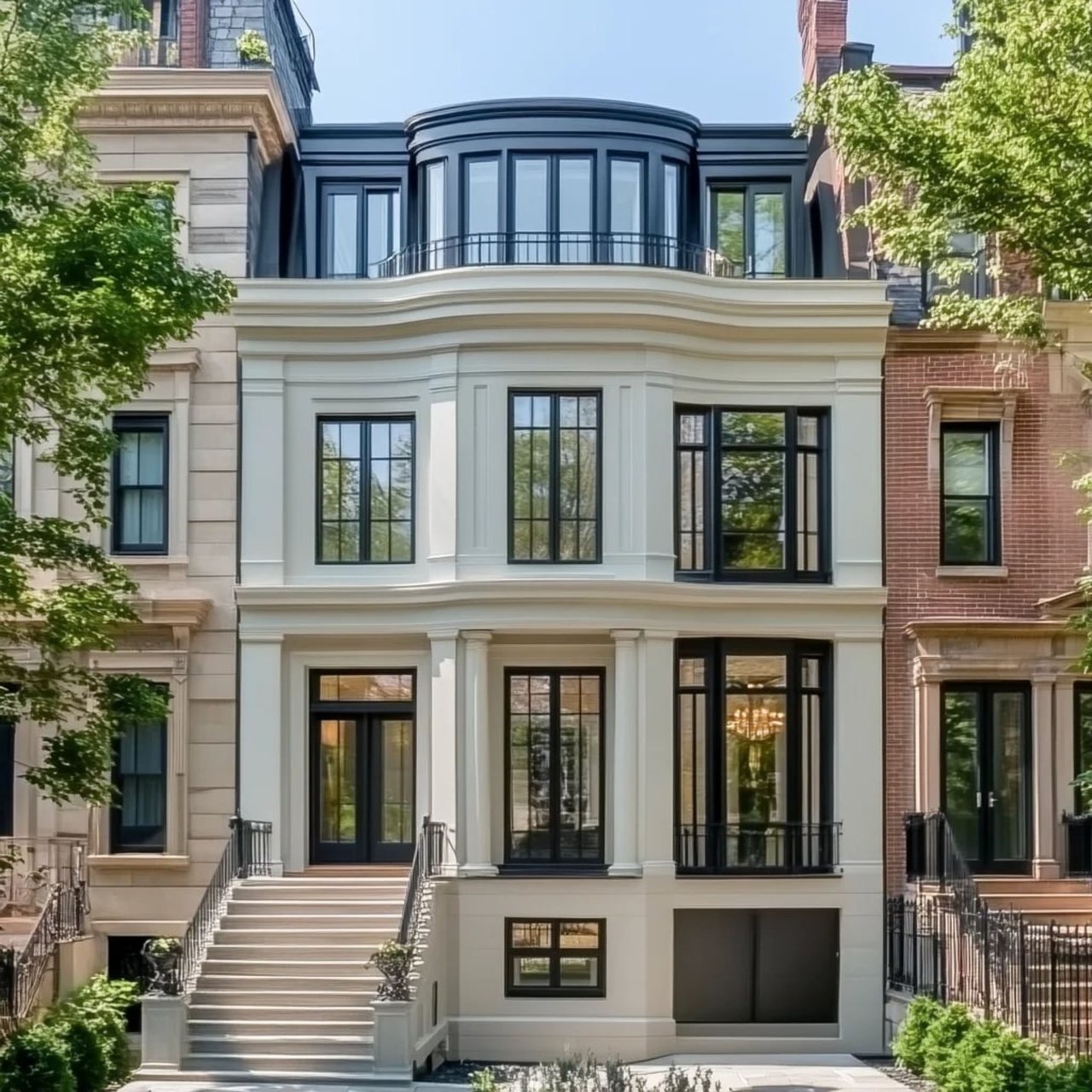
- Brownstones and single-family townhouses. These rare properties sit at the top of the market because of private entrances, larger floorplates, and outdoor space. A notable example is a Union Park brownstone that closed at $12.1M in 2023, which illustrates how unique homes can set neighborhood records and shift short-term averages. You can read about that sale in Boston media coverage of the Union Park record.
- Newer full-service luxury condos. Buildings like The Quinn, Sepia, Siena, Atelier 505, and other amenity settings command a premium per square foot compared with older conversions. Think garage parking, concierge, fitness, and roof decks. These units are fewer than brownstones but form a focused upper-tier condo segment.
Micro location matters
Not every block trades the same. Union Park’s private park frontage is a prime example of a micro location that commands top-of-neighborhood pricing. Ink Block and the SoWa corridor create another distinct pocket where modern, amenity-rich inventory clusters. Local reporting on the Union Park sale helps explain why specific streets can outpace broader neighborhood medians.
Amenities that move numbers
In a dense urban setting, certain features reliably add value:
- Secure garage parking or deeded spaces
- Private outdoor areas like gardens, terraces, and roof decks
- Concierge, package rooms, and in-building fitness or pool
- Wide brownstone floorplates and renovated kitchens/baths
If you are comparing two otherwise similar options, these attributes often explain five- and six-figure differences.
Pricing today: what the numbers say
Vendor snapshots in early 2026 show South End medians broadly in the low seven figures, with price per square foot commonly a little above $1,100. One major portal’s January 2026 snapshot placed the median sale price near $1.35M and the median price per square foot around $1,160. MLS-based condo summaries over recent months showed a median closer to $1.07M with $1,112 per square foot during a late-2024 to early-2025 window. The point is not that one number is “right.” It is that medians move with the sample, the time frame, and whether you include single-family brownstones or just condos.
For single-family brownstones, expect multi-million-dollar pricing with a wide range. Because there are so few of these homes, a single trophy sale can swing monthly medians noticeably. The Union Park transaction at $12.1M is a helpful reference for the top bracket, but it is not a typical comp. Most luxury buyers and sellers look at a multi-year set of comparable sales to filter out outliers when setting expectations.
On the condo side, newer full-service buildings often trade in the mid-$1,200–$1,700 per square foot band for top units, materially above older conversion averages. Product type explains much of the gap. Turnkey finishes and amenities tend to compress days on market and support stronger list-to-sale ratios when priced in line with recent resales.
Inventory and speed-to-sale
Active listings in the South End typically sit in a moderate range during the year. Recent vendor snapshots often show 80 to 110 active listings at any given time, though this varies with refresh dates and how each service draws the neighborhood boundary. Months of supply has hovered around 3 to 5 months in many recent summaries, which is consistent with a balanced-to-firm market.
Days on market depends on the data source and time window. Recent snapshots have shown medians anywhere from the mid-30s to the low-80s days. Listing-level days on market measures how fast a property goes under agreement, while closed-sale days on market reflects the entire cycle through closing. If you are a seller, the right takeaway is that pricing and prep matched to your micro market tend to matter more than the citywide headline.
Micro markets behave differently:
- Prime brownstone blocks may require a longer marketing runway but can command premiums when positioned correctly.
- Amenity condos in Ink Block and nearby often see steady liquidity, especially for well-sized 2-bedroom layouts with parking.
- Smaller conversions trade efficiently when priced to recent comps and staged to photograph well.
Who is buying and why
South End luxury demand draws from several distinct buyer profiles:
- Brownstone and single-family buyers. These tend to be very high-net-worth households who value privacy, scale, and outdoor space. Some are local, some are relocating, and many are moving in from larger suburban homes in search of an urban single-family lifestyle.
- Newer luxury condo buyers. Busy professionals, downsizers, and pied-a-terre buyers value concierge-level services, secure parking, and turnkey finishes. A portion of this segment includes non-local or international buyers, which luxury brokerage reports have historically tracked in the mid-teens percent for certain Boston luxury brackets. Broader luxury market commentary from Sotheby’s shows how international participation ebbs and flows with currency and rates cycles. For context, see a recent Sotheby’s market update.
- Investors and second-home owners. The South End attracts some investor activity in smaller condos and select amenity buildings, but this is not a resort or heavy short-term rental market. Investor presence is visible yet measured relative to total sales.
Demand drivers are durable: proximity to downtown and Back Bay, a strong restaurant and arts scene, multiple MBTA options, and blocks of landmark Victorian architecture. These qualities keep the South End on many luxury buyers’ shortlists year after year.
How South End compares with Back Bay and Beacon Hill
At a high level, Back Bay and Beacon Hill often show higher per-square-foot pricing for trophy product, especially on premier streets and in view-rich addresses. Recent neighborhood snapshots have placed South End medians near the low seven figures, with Back Bay and Beacon Hill sometimes above South End on a per-square-foot basis. That said, ranges overlap, and product type matters more than the ZIP code on your mail.
For context, Boston media frequently cover ultra-prime transactions in these historic cores. A Back Bay brownstone highlighted in 2024 reporting shows how exceptional addresses and top-tier renovations can reach rarefied prices. This helps explain why a South End brownstone on a standout block can compete on total price with top Back Bay or Beacon Hill homes when it offers width, outdoor space, and best-in-class finishes, even if the per-square-foot calculation differs.
If you want prestige and park or river adjacency, Back Bay or Beacon Hill may justify a premium. If you prioritize a vibrant dining and gallery scene, or you want wider floorplates and private gardens, a South End brownstone can deliver strong value. Amenity condos in the South End offer a middle path: full-service living with the neighborhood’s lifestyle at your door.
Strategy for South End sellers
Getting top-of-market results comes down to precision. Focus on:
- Pricing that reflects your exact micro market. Use comps from the same street or building class and adjust for outdoor space, parking, and recent renovations.
- Presentation that sells the lifestyle. Professional staging and photography matter, especially for smaller layouts or lower-level brownstone floors.
- Timing to capture demand. Spring typically brings more listings and more buyers, but high-quality inventory sells year-round when positioned well.
- A marketing plan tuned for your product type. Brownstones benefit from longer pre-market prep and discreet outreach. Amenity condos benefit from broker-to-broker visibility and targeted digital placement.
If your property is unique, consider a longer runway, a tailored showing cadence, and measured use of in-person events. Trophy buyers are discerning and time-sensitive, but they also move decisively when the right fit appears.
Strategy for South End buyers
Clarity on your must-haves will save you time and help you win when the right home appears. Start here:
- Define the lifestyle first. Decide between a private-entry brownstone experience and a full-service condo with amenities.
- Weigh per-square-foot against livability. Wider floorplates, good light, and private outdoor space can be worth more than a strict PSF comparison suggests.
- Prioritize parking and outdoor space early. These features have an outsized impact on both daily life and resale value.
- Watch building-by-building comps. For newer luxury buildings, recent resales and new-unit closings set a tight price band. Monitor how The Quinn and other Ink Block buildings establish the current ceiling for amenity product.
A smart offer blends price, terms, and speed. Pre-approval and a realistic due diligence plan can give you an edge without overpaying.
Signals to watch next
- New closings and resales at The Quinn and other Ink Block buildings. These will help set the bar for newer luxury condos.
- Any headline brownstone trades on Union Park and similar prime blocks. A single high-water mark can reset expectations for a season.
- The interest rate path and liquidity in Greater Boston’s high end. For ongoing context, track a Sotheby’s market update to see how the monetary backdrop is shaping demand.
- Policy and preservation efforts that shape supply. Recent coverage of the renovation and preservation of affordable South End brownstones shows how mission-driven work influences the local housing mix over time.
The bottom line
The South End is a high-value, nuanced luxury market. Medians cluster in the low seven figures, but micro-market realities and product type drive the real story. Brownstones and new amenity condos both command premiums for the right features. Inventory is moderate, demand is steady, and well-prepared sellers and decisive buyers continue to match at strong prices.
If you want a trusted, data-informed partner to guide you through this landscape with discretion and polish, connect with Beth Dickerson. Whether you are positioning a record-setting brownstone or selecting the right full-service condo, you will get boutique, concierge representation backed by Sotheby’s global reach.
FAQs
What is the current median price for South End luxury homes?
- Vendor snapshots in early 2026 place overall medians in the low seven figures, with price per square foot commonly a little above $1,100, though exact figures vary by source, property type, and time frame.
How do brownstones compare with new luxury condos in the South End?
- Brownstones are rarer and often trade at higher total prices due to scale and outdoor space, while newer full-service condos typically command higher per-square-foot pricing than older conversions because of amenities and turnkey finishes.
How fast are South End luxury properties selling right now?
- Recent snapshots show median days on market ranging roughly from the mid-30s to the low-80s, depending on the data set; prime listings priced to recent comps often move faster.
Which South End micro locations command the highest prices?
- Blocks around Union Park and select brownstone streets see top-of-neighborhood pricing, while amenity buildings in the Ink Block and SoWa areas form a premium condo cluster.
What features add the most value in South End luxury homes?
- Garage parking or deeded spaces, private outdoor areas, and concierge-level building services tend to drive meaningful price differences between otherwise similar homes.
How does the South End compare with Back Bay and Beacon Hill on price?
- Back Bay and Beacon Hill often achieve higher per-square-foot pricing for trophy addresses, but ranges overlap; a standout South End brownstone can compete on total price when it offers width, outdoor space, and best-in-class finishes.