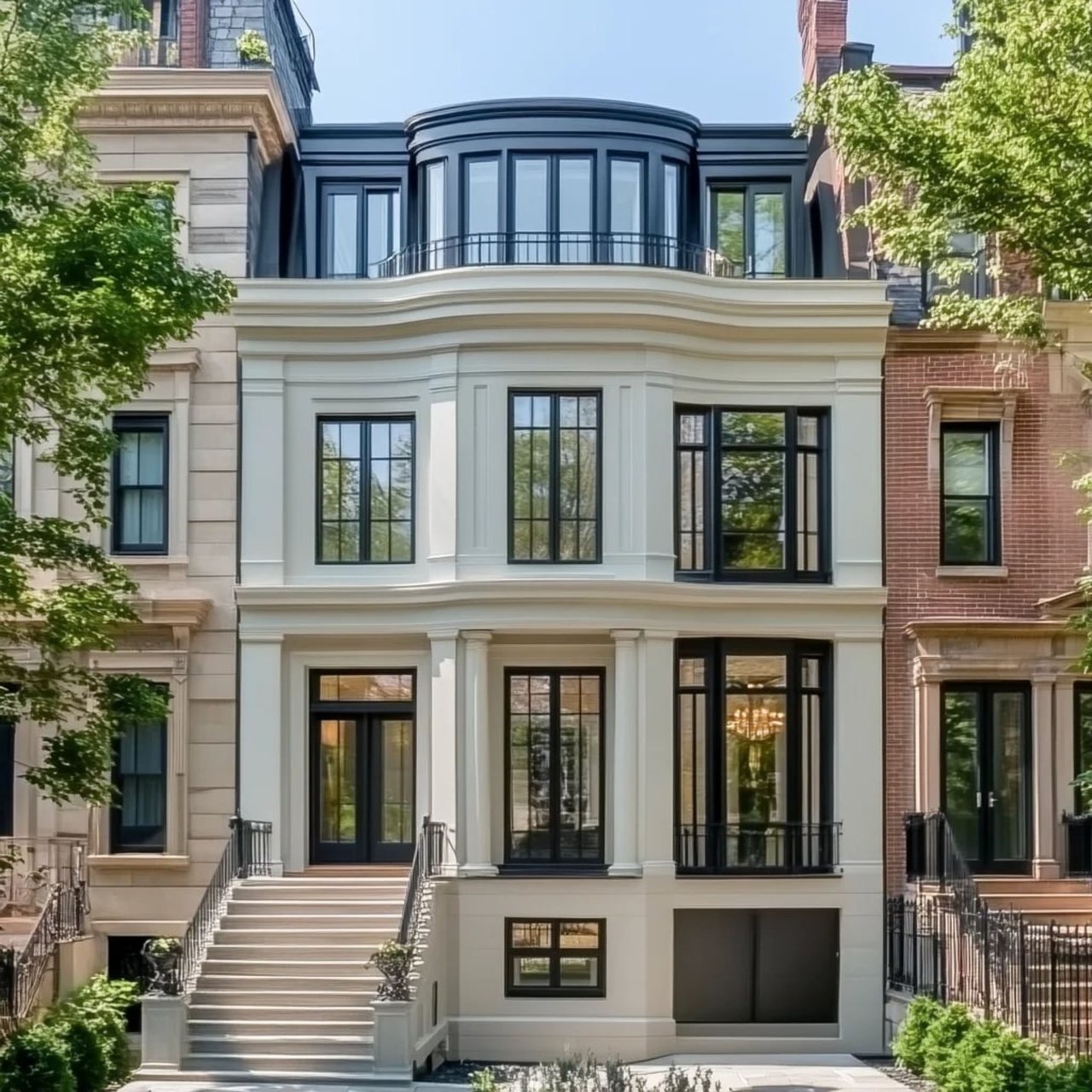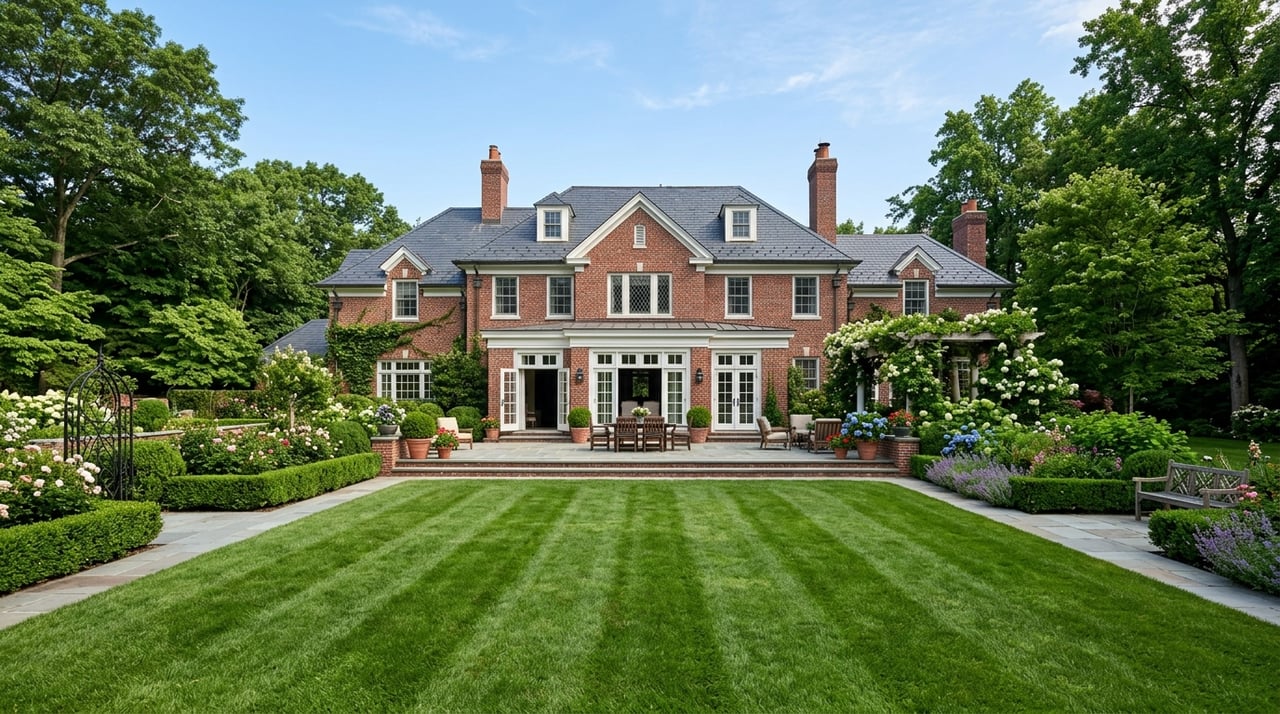
Ready for more space without losing your Boston connection? If you own a condo in Back Bay, Beacon Hill, or another prime city neighborhood, a move to Wellesley is often less about leaving luxury behind and more about redefining it. You may be trading elevator access and walk-out dining for private land, larger rooms, and a more residential daily rhythm. Let’s take a closer look at what that shift really means.
Why Boston Condo Owners Look to Wellesley
For many Boston homeowners, the appeal of Wellesley starts with a simple question: what do you gain when you trade vertical living for a private estate setting? In Boston, condo life often centers on immediate walkability, shared building services, and a compact footprint in a premier location. In Wellesley, the value equation shifts toward space, privacy, and a more expansive home environment.
That shift is especially clear when you compare how each market is built. Boston condos currently carry a median listing price of $849K, while Back Bay condos are around $1.59M and Beacon Hill condos are around $1.28M. Wellesley, by contrast, has a Walk Score of 37, and the town notes that more than 80% of its land is residential.
Space Changes the Daily Experience
In downtown Boston, many luxury condos are designed around efficiency and convenience. Current listings include homes around 753 square feet, 988 square feet, and 1,165 square feet, often paired with features like elevator access, common laundry, storage, roof decks, and HOA fees. These homes can be beautifully finished, but they are still part of a shared building environment.
In Wellesley, the housing profile looks very different. Current single-family listings include lots around a quarter acre, 0.3 acres, 0.62 acres, 0.85 acres, and even 4.7 acres. Home sizes range from roughly 3,400 square feet to more than 10,000 square feet, often with garages, offices, family rooms, patios, and room for outdoor entertaining.
That difference can shape nearly every part of your routine. You may gain a dedicated home office, more storage, guest space, or room to host on a larger scale. Instead of shared walls and common amenities, you are often stepping into a property with private indoor and outdoor living areas.
Wellesley Is Usually a House Move
If you are considering Wellesley, you are most likely not looking for a direct condo-to-condo trade. Wellesley’s condo market is relatively small, with only 8 condos for sale in the current snapshot, compared with 1,671 condos for sale in Boston. That inventory gap helps explain why many Boston condo owners view Wellesley as a move into single-family living.
This is one of the most important mindset shifts in the process. You are not simply changing zip codes. You are choosing a different property type, a different scale of ownership, and a different relationship to privacy and land.
Luxury Does Not Disappear. It Evolves.
A move from Boston to Wellesley should not be framed as a step down in lifestyle. In many cases, it is the opposite. Downtown Boston luxury often means prime location, architectural character, concierge features, and immediate access to the city’s cultural core. Wellesley luxury often means more square footage, more land, more separation from neighbors, and more flexibility in how you live.
That distinction matters because both markets are premium. Wellesley’s median sale price is about $1.84M, and luxury homes are listed at a median of about $2.4M. While Boston condos are lower overall, prime downtown neighborhoods already command high prices, so the move is typically about a new price-to-space ratio rather than a bargain.
Walkability Versus Residential Scale
One of the biggest lifestyle changes is how you move through your day. Back Bay and Beacon Hill post Walk Scores of 97 and 99, which reflects the ease of stepping outside and reaching shops, restaurants, and services on foot. Wellesley is less walkable overall, but that does not mean it lacks convenient centers of activity.
Wellesley Square offers a compact, pedestrian-oriented village center with pharmacies, clothing stores, gift stores, and small restaurants. That means your lifestyle may become less about block-by-block city access and more about living within a town structure built around village centers and residential neighborhoods. For many buyers, that trade feels more balanced than expected.
Green Space Is Part of the Appeal
Space in Wellesley is not limited to your lot lines. The town lists 18 parks, 14 conservation areas, and 47 miles of trails, with the Town Forest standing as its largest town-owned conservation land. If your current Boston routine leaves you wanting easier access to open air and natural surroundings, this is one of Wellesley’s strongest advantages.
That green-space network helps define the town’s character. Wellesley’s planning guidance emphasizes preserving and enhancing open space, which supports the feeling of a more spacious and residential setting. For many former condo owners, this becomes one of the most meaningful changes after the move.
A Town-Centered Lifestyle
Wellesley also offers a clear civic structure that can make the transition feel grounded rather than isolated. The town is served by its own public school district, which includes six elementary schools, one middle school, and one high school, serving 3,832 students in the 2025–26 year. Even if schools are not the reason for your move, that level of local infrastructure contributes to the town-centered feel.
What many buyers appreciate is that Wellesley does not feel like a random bedroom suburb. It has a defined identity, established public amenities, village centers, and a strong residential pattern. In practical terms, that can make day-to-day life feel organized and connected.
The Cost Comparison Requires Context
It is tempting to assume that moving out of Boston means lower costs, but that is not always the case. Wellesley is not a budget retreat from the city. It is often a move into a larger, more complex property profile with a higher overall purchase price.
Taxes are another area where simple assumptions can be misleading. Boston’s FY2026 residential tax rate is $12.40 per $1,000 of value, and qualified owner-occupants may receive a residential exemption worth up to $4,353.74. Wellesley uses a single FY2026 tax rate of $10.17 per $1,000, and the town reports a median single-family tax bill of $17,808 on a median assessment of $1.751M.
The better way to think about taxes is not whether one town is automatically cheaper. It is that each location has a different tax structure tied to a very different kind of property. As you compare options, the real question is whether the lifestyle and space align with what you want next.
Wellesley Still Keeps You Connected to Boston
For many Boston condo owners, location is never just about the home. It is also about staying tied to the city for work, culture, dining, or personal routines. Wellesley remains connected on that front.
The town offers access to Boston via three commuter rail stations on the Framingham/Worcester line, with commuter parking available. Wellesley also points to the MWRTA Route 1 bus to Woodland MBTA Green Line station, along with additional first- and last-mile options and nearby Green Line access at Woodland and Waban. In other words, your move can shift your home base without cutting off your relationship to Boston.
How to Know if the Trade Makes Sense
Not every Boston condo owner wants the same next chapter. For some, the appeal of city living remains unmatched. For others, there comes a point where more privacy, more flexibility, and more room to gather outweigh the convenience of shared amenities and immediate walkability.
Wellesley tends to make sense when your priorities start to include things like:
- More indoor and outdoor space
- A private lot instead of a shared building
- Room for a home office, guests, or entertaining
- Access to parks, trails, and open space
- A residential setting that still stays connected to Boston
When you look at the move through that lens, the choice becomes much clearer. You are not giving up luxury. You are choosing a different expression of it.
For Boston homeowners considering a move from condo living to a more expansive estate setting, strategy matters. Pricing, property selection, timing, and presentation all play a role in making the transition seamless. If you are weighing that next step, Beth Dickerson offers the discreet, concierge-level guidance to help you navigate it with confidence.
FAQs
Is Wellesley commute-friendly for Boston professionals?
- Yes. Wellesley offers three commuter rail stations on the Framingham/Worcester line, commuter parking, and connections to the Green Line through the MWRTA Route 1 bus and nearby stations.
What changes most when moving from a Boston condo to Wellesley?
- The biggest changes are usually private land, larger home size, more storage, and more indoor and outdoor living space.
Is moving from Boston to Wellesley usually less expensive?
- Not necessarily. Wellesley is a high-priced market, and the move is often about gaining more space and land rather than lowering your overall housing cost.
Is Wellesley as walkable as Back Bay or Beacon Hill?
- No. Wellesley is less walkable overall, but it does offer village centers like Wellesley Square along with parks, conservation areas, and trails.
Are Boston condo owners usually buying another condo in Wellesley?
- Usually no. Wellesley has a much smaller condo market, so many Boston condo owners who move there are looking for single-family homes instead.
What kind of lifestyle does Wellesley offer compared with downtown Boston?
- Wellesley offers a more residential lifestyle with larger homes, private lots, open space, and town-centered amenities while still maintaining practical access to Boston.