The Anatomy of a Beacon Hill Single Family: Exterior Details Buyers Love
What gives these homes their unmistakable charm and lasting value
Beacon Hill is one of the most photographed neighborhoods in the country. The exteriors are a blend of history, craftsmanship, and subtle luxury that buyers instantly connect with.
Classic Federal Brickwork
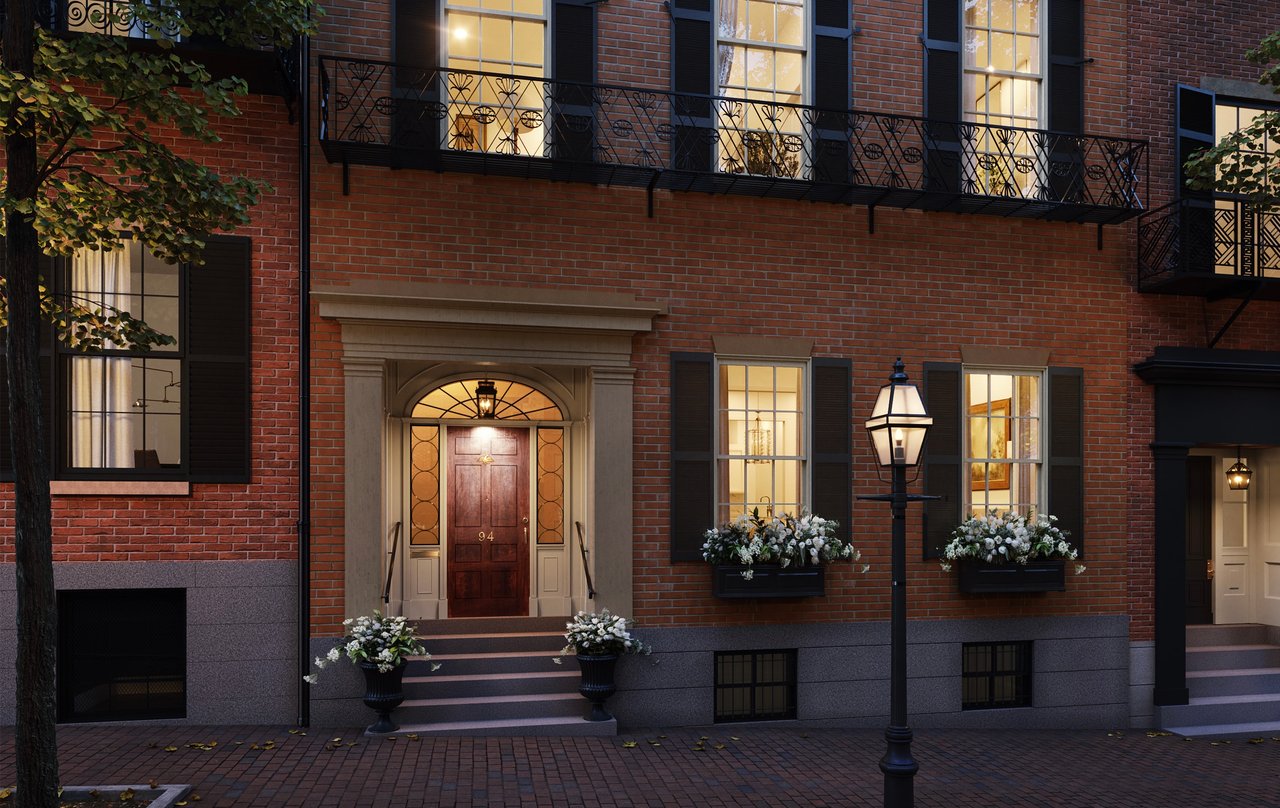
The defining element of Beacon Hill is its brick. Many façades were built in the early to mid-1800s using handmade bricks fired locally, which is why no two homes have identical coloring. The Flemish bond pattern, with alternating headers and stretchers, wasn’t decorative alone — it added strength to the structure. Buyers who appreciate authenticity often comment on the natural patina and the way the brick ages gracefully over centuries.
Brickmaking in Boston once relied heavily on clay from the Charles River basin. Today, restored brickwork is often done by artisans who specialize in historic preservation, ensuring the original texture and size are matched.
Refined Symmetry
Federal architecture is defined by proportion and balance. Windows are intentionally aligned in perfect vertical rows, and the overall façade tends to feel quiet, elegant, and composed. This symmetry is one of the reasons Beacon Hill photographs so beautifully.
Early Boston builders were heavily influenced by pattern books from England, especially the work of architect Robert Adam, whose focus on symmetry shaped much of America’s early residential design.
Iconic Bow-Front or Flat Facades
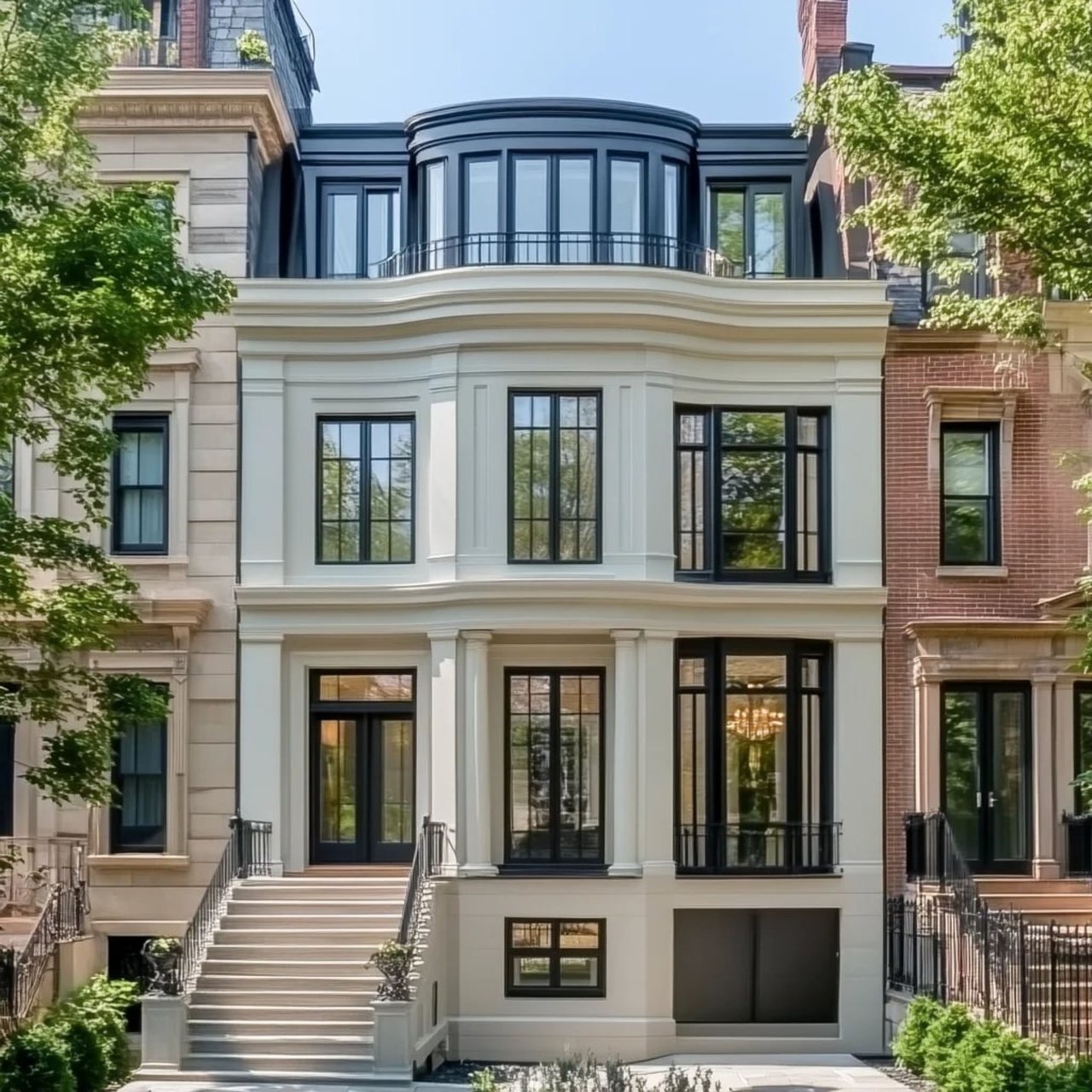
Beacon Hill offers two signature exterior styles. The classic flat front reflects pure Federal design, while the bow-front became popular slightly later in the 19th century because it allowed more light to enter and created visually appealing curves along narrow streets. In photos, bow-fronts capture shadows and highlights in a way that makes the façade feel sculptural.
The bow-front design was not only aesthetic. It also maximized interior square footage on tight city lots without expanding the building’s footprint.
Historic Ironwork
From hand-forged railings to decorative grates and old boot scrapers, Beacon Hill’s ironwork is a signature feature. Many pieces were crafted by blacksmiths who lived in the area and supplied multiple streets. Buyers love the weight and quality of original ironwork, which instantly signals the home’s age and authenticity.
Boot scrapers - those small “slots” near stoops were essential in the horse-and-carriage era when Beacon Hill streets were far from tidy.
Remarkable Entrances
The entry of a Beacon Hill single family is a moment of architectural theater. Fanlights and transoms allowed natural light into stair halls long before electric lighting. Original brass hardware, arched doorways, and polished wood doors show craftsmanship rarely replicated today.
Many early Beacon Hill builders imported brass hardware from England or used local craftsmen who worked on ships in Boston Harbor, explaining the nautical influence in some designs.
Granite Curbs and Brick Sidewalks
Even the streets contribute to the value and charm. Beacon Hill’s granite curbs were carved from quarries in Quincy and brought to the neighborhood by oxen. The brick sidewalks, arranged in herringbone or running bond, were designed to endure Boston winters and still offer one of the prettiest pedestrian experiences in the city.
Some bricks in the sidewalks are older than the Civil War and are occasionally restored, not replaced.
Window Boxes and Seasonal Plantings
Nothing adds warmth like Beacon Hill’s overflowing window boxes. Seasonal plantings are part of the neighborhood’s identity, with ivy, geraniums, and evergreens creating a welcoming feel year-round. These details matter for buyers because they signal care, maintenance, and pride of ownership.
Many homeowners participate in informal “street competitions” to keep the most beautiful window boxes on the block, especially during the holidays.
Rooflines and Skyline Moments
Many single families feature slate roofs, copper gutters, or distinctive dormers. These elements elevate the look of the home and often hint at interior features like top-floor retreats or roof decks. Even a glimpse of an original mansard roof can signal strong architectural integrity.
Interesting note: Copper gutters on Beacon Hill naturally patina over time, shifting from bright orange to deep brown to soft green, which buyers love because it signals authenticity and minimal replacement.