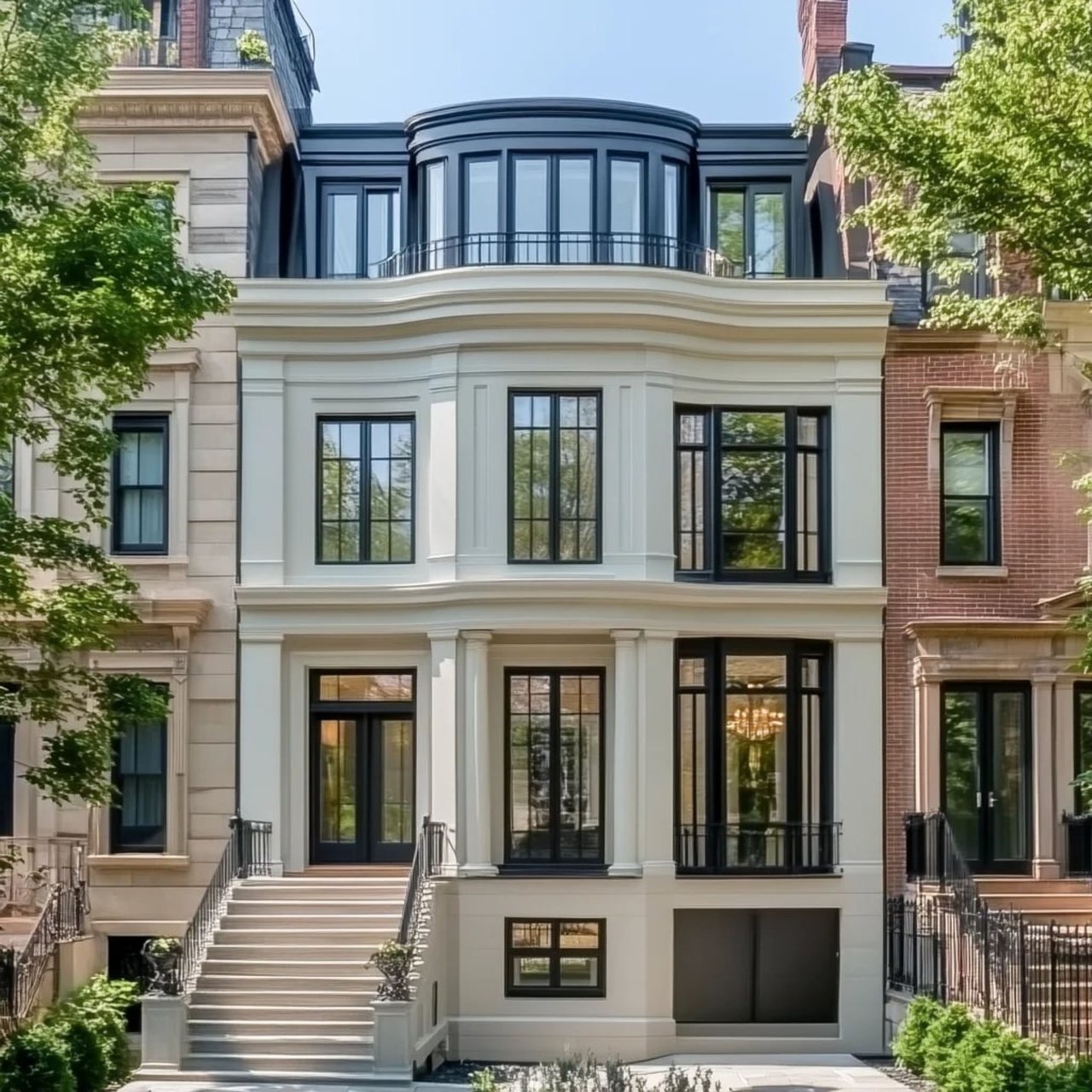
Selling a luxury condo in Midtown Boston means competing with some of the city’s most recognized towers and most discerning buyers. You want a fast, well‑qualified sale at a strong price with minimal disruption to your life. In this guide, you’ll get a clear plan to price confidently, showcase skyline and park views, navigate building rules, and tap global marketing that reaches real buyers. Let’s dive in.
Midtown market context and buyer profile
Midtown in Boston is a real estate term used to describe the corridor around Boston Common, Downtown Crossing, the Theater District, and the Financial District. Buyers here tend to value full‑service living, proximity to business and culture, and views of parks and the skyline.
As of March 2026, Downtown Boston’s median condo sale price hovered near $1.9 million. At the top end, pricing and presentation are especially sensitive. Best‑in‑class units still command attention, but you should confirm up‑to‑the‑week comps with your agent or MLS before you finalize a list price. Regional reports have noted periods of easing or stabilization in recent years, a reminder to stay current on data when you go live. For broader context on Greater Boston trends, review recent coverage of monthly data in the business press, such as reporting from Boston Agent Magazine on price movements across the region in 2023.
Position your condo against the right competition
Choose precise, apples‑to‑apples comps
Start with your building. Same‑stack or same‑line recent sales are your best reference points. When you expand to other towers, compare homes with similar floor heights, exposures, and amenity profiles. Focus on price per square foot, orientation, and net usable area. Adjust for deeded parking, storage, and recent capital improvements. Your goal is a fair, supportable range you can defend with data.
Price to match your goal
If speed matters most, consider listing slightly under perceived market value to draw qualified traffic early. If maximizing net is the priority, price at market and pair it with premium staging, robust media, and a flexible showing protocol. Overpricing in a high‑inventory luxury segment often increases days on market and can compress your final number.
Showcase views, light, and lifestyle
Lead with what buyers feel first
Make your headline work hard: building name, corner or exposure, floor, and the lifestyle benefit a buyer gets on day one. Think phrases like “NE corner with Public Garden views, valet and resident club.” In towers like Millennium Tower, the amenity package is a major draw. The building offers a two‑level resident Club with pool, spa, fitness, screening room, and a 24‑hour concierge. You can reference the building’s amenities from the official site to ensure accuracy. Be ready to clarify what the monthly condo fee includes and any services that are a la carte.
- Explore official amenities to inform your copy: Millennium Tower resident Club and services.
Stage for the skyline
Luxury buyers respond to elevated presentation. Invest in professional interiors, a twilight session to capture skyline and harbor glow, detailed floor plans, a 3D virtual tour, and a short cinematic video. Staging consistently improves engagement and can influence sale price and time on market. Industry roundups report that staged homes attract more showings and often sell faster, with a measurable price impact in many cases.
- Review staging impact data: Home Staging Institute’s statistics summary.
- See how premium visuals change attention: The impact of staging and virtual staging.
Practical prep matters too. Have windows professionally cleaned, use neutral window treatments that reveal the view, and time hero images at golden hour or twilight. These details materially improve click‑through and showing conversion.
Master showings and building logistics
Coordinate with management early
Full‑service towers often require showings to be scheduled through the concierge or management office. Lockboxes may be restricted, and public open houses or signage can be limited. Some buildings require vendor pre‑approval and charge elevator or valet fees for staging, photography, or moves. Policies vary by building, so confirm everything in writing with management before you list.
- For a sense of typical tower rules, see this example of building house rules restricting access, elevator use, and open houses: sample condominium house rules PDF.
Protect privacy and qualify buyers
High‑profile sellers often opt for appointment‑only previews, with proof of funds or pre‑approval required for access to occupied units. Broker‑only previews are an effective way to launch while maintaining control and security. Recent industry rule changes also mean many buyers will sign written buyer‑broker agreements before touring, and buyer‑agent compensation is no longer displayed in MLS fields. You can still negotiate cooperating compensation, but expect those discussions to happen off‑MLS and to be documented by your agent according to local rules.
Plan move and closing logistics now
Before you go to market, request the building’s move‑in and move‑out rules, elevator reservation policy, approved vendor lists, guest parking information, and any special assessments that could affect timing. This helps you avoid last‑minute surprises and gives buyers confidence that closing will be smooth. Include a note in your disclosures directing buyers to consult the official resale packet for association details.
Marketing that reaches the right buyers
Build best‑in‑class assets
Your core package should include:
- Professional still photography, including twilight
- Detailed floor plans and a Matterport or comparable 3D tour
- A 60 to 90 second cinematic video and, if permitted, limited drone establishing shots
- A polished single‑property website and a downloadable PDF brochure
Copy should highlight morning and afternoon light, exact sightlines, approximate travel times to the Financial District, Back Bay, and Logan, and a concise amenity narrative.
Extend exposure beyond the MLS
High‑end listings benefit from local‑to‑global distribution. Leading brokerage networks expand reach to international and out‑of‑market buyers through platforms like Luxury Portfolio International, Forbes Global Properties, Mansion Global, JamesEdition, and Juwai. Network affiliation can materially increase qualified eyeballs on a $1 million‑plus listing.
- Learn how top brokerages leverage luxury networks: LeadingRE Luxury Summit overview.
Pair syndication with targeted broker outreach and PR. Host curated broker previews for agents active in Midtown and adjacent premium submarkets. For exceptional properties, pursue earned media in regional luxury publications or national outlets. Round out the plan with targeted social and programmatic campaigns focused on high‑net‑worth audiences.
Legal and tax checkpoints in Massachusetts
Understand the deed excise tax
In Massachusetts, sellers typically pay a deed excise tax at closing. The common statewide base rate is about 4.56 dollars per 1,000 dollars of sale price, though your closing attorney will compute the exact amount based on county rules. Build this into your net sheet early so it is not a surprise.
- Practical overview: Massachusetts deed stamps explained
- Additional attorney perspective: Transfer taxes in Massachusetts
Order the resale packet early
Most Boston condo resales require a resale or estoppel packet and a 6(d) certificate to verify common charges, assessments, and insurance. Lenders and title companies typically require clean documentation before closing. Turn times and fees vary by association, so order early to prevent delays.
Coordinate with your CPA
If the condo is your primary residence, you may qualify for a federal capital gains exclusion, subject to ownership and use tests. Second homes and investment condos follow different rules, including possible 1031 exchanges. Always consult a CPA or tax attorney for guidance tailored to your situation.
Your Midtown seller checklist
- Confirm building showing rules, open‑house policies, and lockbox restrictions in writing.
- Book window cleaning, light handyman touch‑ups, and neutral styling.
- Hire a top photographer and schedule a twilight shoot; add floor plans, 3D tour, and a short video.
- Stage key rooms to emphasize views, proportions, and flow.
- Draft listing copy that leads with exposure, floor, views, and lifestyle benefits.
- Select comps from your building first, then expand to similar towers by floor and exposure.
- Choose a pricing path aligned to your goal, with a plan to adjust within 7 to 14 days if feedback is weak.
- Build a distribution plan that includes MLS, luxury network syndication, curated broker outreach, and targeted digital ads.
- Order the condo resale packet and 6(d) certificate as early as your association allows.
- Assemble closing estimates, including deed excise tax, so you know your net number.
When executed together, these steps help your Midtown condo stand out in a crowded skyline and move efficiently from launch to closing.
Ready to position your Midtown residence for a record‑worthy result? For a confidential pricing review and a tailored marketing plan backed by Sotheby’s global reach, connect with Beth Dickerson.
FAQs
What is Midtown Boston in real estate terms?
- Midtown typically refers to the dense corridor around Boston Common, Downtown Crossing, the Theater District, and the Financial District. Buyers here value full‑service living, skyline and park access, and proximity to business and culture.
How should I price a Midtown luxury condo today?
- Start with same‑building or same‑stack comps, then expand to similar towers by floor and exposure. As of March 2026, Downtown’s median condo sale price was near $1.9 million, but your unit’s view, line, and finishes drive value. Confirm current comps with your agent before you go live.
Are public open houses a good idea in doorman towers?
- It depends on your building’s rules and your privacy goals. Many full‑service towers restrict public open houses and require concierge scheduling. Consider broker‑only previews and appointment‑only showings for better control.
Which marketing assets have the biggest impact for high‑rise listings?
- Professional photography with a twilight session, detailed floor plans, a 3D tour, a short video, and strategic staging deliver the most lift. Data shows staged listings attract more buyer engagement and often sell faster. See the staging statistics summary.
What closing costs should Massachusetts condo sellers expect?
- Budget for the deed excise tax at about 4.56 dollars per 1,000 dollars of sale price, plus attorney fees and association charges for the resale packet. Your closing attorney will compute exact amounts. Learn more here: MA deed stamps overview.
How do building amenities affect marketing and monthly fees?
- Amenities like a 24‑hour concierge, valet, resident club, pool, fitness center, and guest services attract qualified buyers and should headline your marketing. They may also increase monthly condo fees, so verify inclusions and disclose clearly in your listing materials.