If you picture classic New England living, chances are Concord is close to what you have in mind. This is a town where preserved village centers, Revolutionary War landmarks, literary history, and wide stretches of conservation land all shape daily life. If you are exploring a move to Concord or simply want to understand its appeal, this guide will walk you through what makes the town feel so distinct. Let’s take a closer look.
Why Concord Feels So Timeless
Concord was incorporated in 1635 as the first inland settlement in Massachusetts, and that long history still feels present today. The town is closely tied to the events of April 19, 1775, especially at North Bridge and along the road back to Boston.
That history is only part of the story. Concord is also deeply connected to writers and thinkers like Henry David Thoreau, Ralph Waldo Emerson, Bronson and Louisa Alcott, and Nathaniel Hawthorne. In practical terms, that means you are not just moving to a commuter town. You are stepping into a place where history and culture are part of the everyday setting.
Concord’s Village Centers
One of Concord’s biggest draws is that it does not feel like a place built around one single strip or one isolated destination. Instead, the town is shaped by several village centers, each with a slightly different personality.
Concord Center
Concord Center is the town’s best-known historic core. It is a walkable area framed by 18th- to 20th-century buildings and a National Historic District, with shops, restaurants, art galleries, a library, a visitor center, and easy access to surrounding natural beauty.
Many of the town’s best-known landmarks are within walking distance here, including the Concord Museum, Emerson House, Minute Man National Historical Park, Old Manse, Old North Bridge, Orchard House, and Sleepy Hollow Cemetery. If you want a setting where daily errands, dining, and cultural destinations all sit close together, Concord Center stands out.
West Concord
West Concord offers a more contemporary village feel while still staying true to Concord’s small-town character. Visit Concord describes it as a charming village center with arts, dining, shopping, entertainment, and recreation.
It is also especially practical for daily life. Groceries, dry cleaning, prescriptions, flowers, and restaurants are all part of the area’s walkable mix, which gives West Concord a strong everyday convenience factor.
Thoreau Depot
Thoreau Depot serves as a rail-oriented gateway into town. It is described as a small-town village center with shops, restaurants, commuter rail access, and mixed-use development.
For buyers who want access to Boston without giving up a more pastoral setting, this matters. Concord sits about 20 miles west of Boston and is served by commuter rail and major regional roads, which helps balance village charm with regional connectivity.
Walkability With Character
Walkability in Concord is not just about sidewalks or proximity to errands. It is about how the town’s historic, civic, and commercial spaces fit together in a way that feels cohesive.
The town trolley begins at the Concord Center commuter rail stop and serves North Bridge, the Concord Museum, Meriam’s Corner, the Wayside and Orchard House area, and West Concord. That helps connect the village centers and cultural sites into one more navigable system for both residents and visitors.
Concord also protects the feel of these areas through zoning. The town regulates formula businesses in Concord Center, Thoreau Depot, West Concord Business, and West Concord Village in order to preserve the town’s distinctive small-town character and unique dining, retail, and service experiences.
History and Culture in Daily Life
In many towns, history is something you visit once in a while. In Concord, it is woven into the setting around you.
Minute Man National Historical Park spans 1,038 acres across four units. In Concord, the North Bridge, Battle Road, Wayside, and Barrett Farm units preserve Revolutionary War landscapes, historic structures, and places tied to local authors and the town’s broader story.
That presence shapes the atmosphere of everyday life. You can spend time in a village center, then head out to a battlefield trail, a museum, or a literary landmark without needing to treat it like a major excursion.
West Concord adds another layer to the cultural picture. Its cultural district supports murals, galleries, music, theater, dance, and classes, giving the town a second arts-focused anchor beyond the historic core.
Outdoor Living Is Part of Concord’s Identity
For many buyers, Concord’s appeal goes beyond architecture and history. Outdoor access is a major part of the lifestyle.
The Town of Concord’s Natural Resources Division manages more than 1,500 acres of conservation land, including Hapgood Wright Town Forest, Mattison Field, October Farm Riverfront, Punkatasset Preserve, and White Pond Reservation. The town’s trail guides also connect these properties to nearby local and regional trail systems.
The Concord Land Conservation Trust adds more than 1,000 acres of protected land and 27 miles of public trails. That scale of preserved open space gives you regular access to woods, fields, and riverfront walks that are closely tied to everyday life in town.
Trails, Fields, and Riverfront Access
Minute Man National Historical Park also works as an outdoor recreation network. Designated trails include the Battle Road Trail and the North Bridge trail, and the park is open from sunrise to sunset.
The Great Fields walking tour begins at Meriam’s Corner in Concord and runs through farm fields east of town center. When you combine town conservation land, trust-owned trails, and national park access, Concord starts to feel less like a collection of separate destinations and more like one connected landscape.
What Homes in Concord Look Like
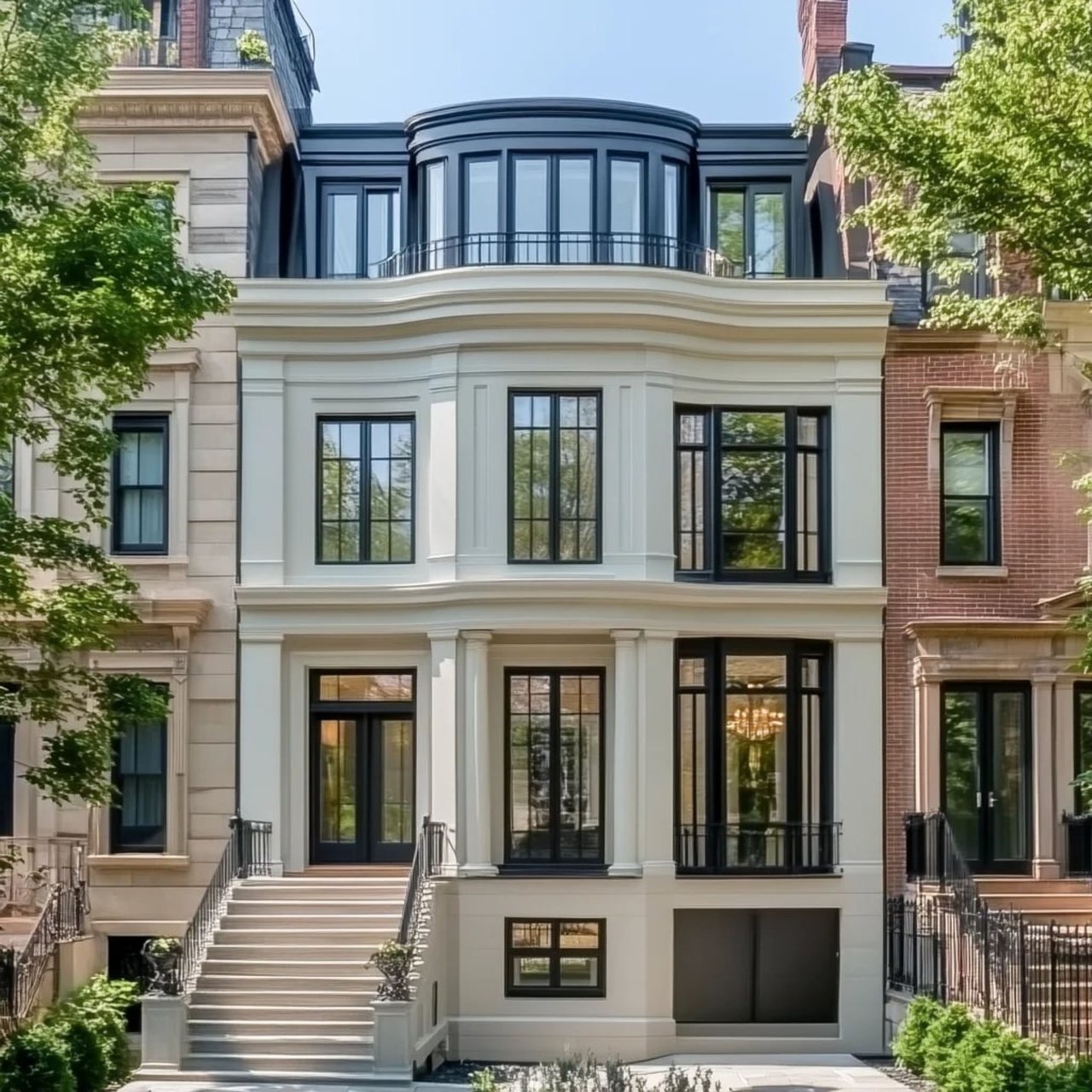
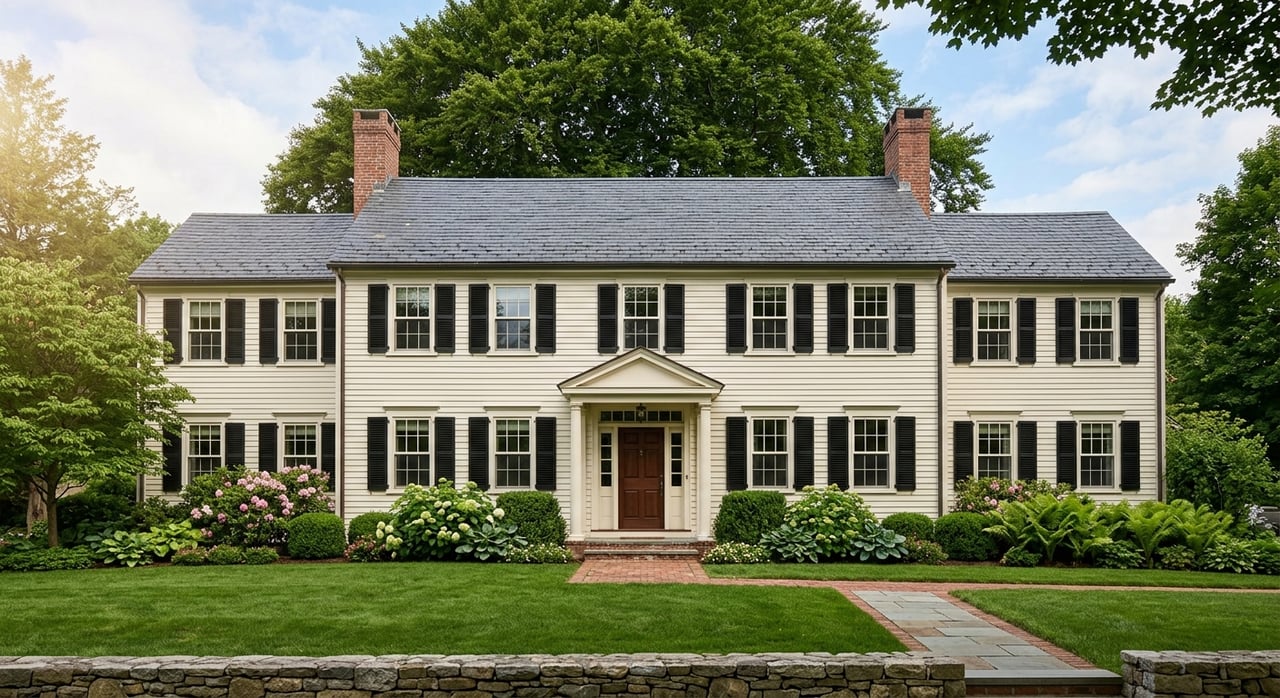
Concord’s housing stock is one of the reasons the town feels so layered and visually rich. Historic districts are often grouped under the idea of Old Concord, where the town notes that history remains palpable in village centers, rural roads, and neighborhoods.
In the Main Street district, the architectural mix is broad and varied. In the Barrett Farm district, homes span historic periods from the 17th to the 21st centuries, with both antique and contemporary houses on large lots.
That range gives buyers more than one path into the market. Depending on where you focus your search, you may find antique homes, historic houses, larger-lot properties, and newer mixed-use or multi-family options closer to village centers and transit-connected areas.
Newer Housing Options
Concord is not only defined by its historic homes. In 2024, the town adopted an MBTA Communities multi-family overlay district with five subdistricts where multi-family zoning is allowed by right.
The town’s Community Preservation Plan also notes that current zoning allows mixed-use development in Concord Center, the Thoreau Depot Area, and West Concord Center. For buyers who appreciate Concord’s character but prefer lower-maintenance or newer housing formats, that is an important part of the current picture.
What the Market Suggests
Concord is a high-value housing market, and the numbers support that. According to the latest U.S. Census Bureau QuickFacts data, the median owner-occupied home value is $1.21 million, the owner-occupied housing rate is 75.7 percent, and the median household income is $195,350.
Zillow’s Concord market page, updated May 31, 2026, reports an average home value of $1.459 million, about 78 homes for sale, and a typical time to pending of around 11 days. While those figures measure different things, together they point to a premium market with limited inventory and strong demand.
For buyers, that often means preparation matters. For sellers, it reinforces the importance of presentation, pricing, and a well-executed strategy in a market where quality and timing can make a meaningful difference.
Who Concord Appeals To
Concord tends to resonate with buyers who want more than just square footage. It appeals to people who value a preserved town center, regional access, outdoor space, and a setting with visible history.
It can also be a fit if you want a home base that feels quieter and more rooted while still staying connected to Boston. With commuter rail service, major roads, walkable village nodes, and a wide range of housing types, Concord offers a lifestyle that feels both classic and practical.
Why Concord Stands Out
What makes Concord feel especially New England is not one landmark or one street. It is the combination of preserved village centers, Revolutionary War landscapes, literary history, conservation land, and architecture that spans centuries.
That blend gives the town a sense of continuity that can be hard to find. If you are looking for a place where daily life includes beauty, access, and a strong sense of setting, Concord offers a compelling and very specific version of New England living.
If you are considering a move to Concord or preparing to position a distinctive home in today’s luxury market, Beth Dickerson offers discreet, concierge-level guidance backed by deep Boston-area expertise and polished, full-service representation.
FAQs
What makes Concord, MA feel like classic New England?
- Concord combines preserved village centers, Revolutionary War landmarks, literary history, and extensive conservation land in one connected setting.
Which parts of Concord, MA are most walkable?
- Concord Center, West Concord, and Thoreau Depot are the town’s strongest walkable village-center areas for shopping, dining, errands, and access to cultural sites.
What types of homes can you find in Concord, MA?
- Buyers can find antique homes, historic houses, large-lot properties, and some newer mixed-use or multi-family options near village centers and transit-accessible areas.
How close is Concord, MA to Boston?
- Concord is about 20 miles west of Boston and is served by commuter rail and major regional roads.
Does Concord, MA offer a lot of outdoor access?
- Yes. The town manages more than 1,500 acres of conservation land, the Concord Land Conservation Trust adds more than 1,000 acres and 27 miles of public trails, and Minute Man National Historical Park provides additional trail access.
Is Concord, MA a competitive housing market?
- Current data suggest a high-priced market with limited inventory, with Zillow reporting about 78 homes for sale and a typical time to pending of around 11 days as of May 31, 2026.