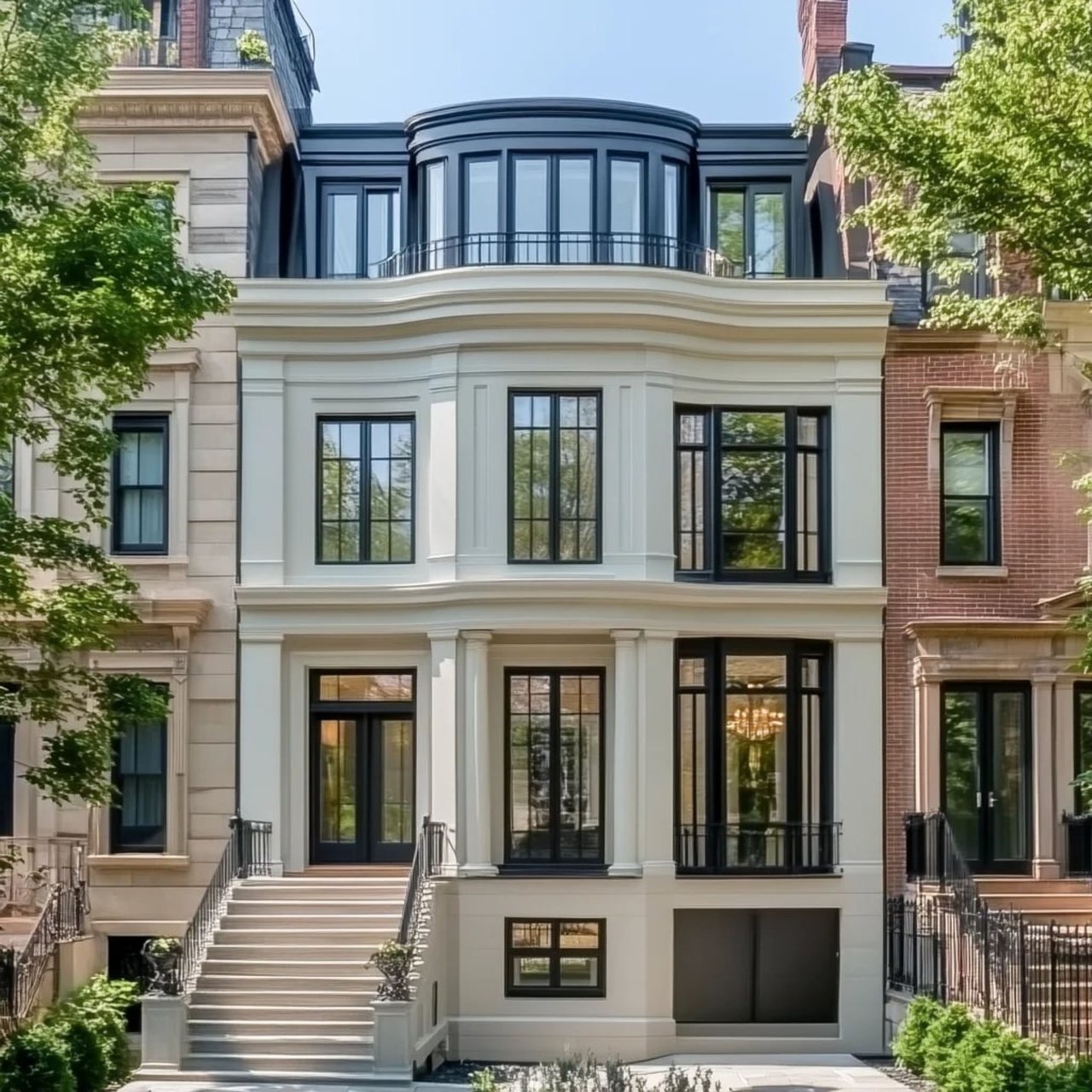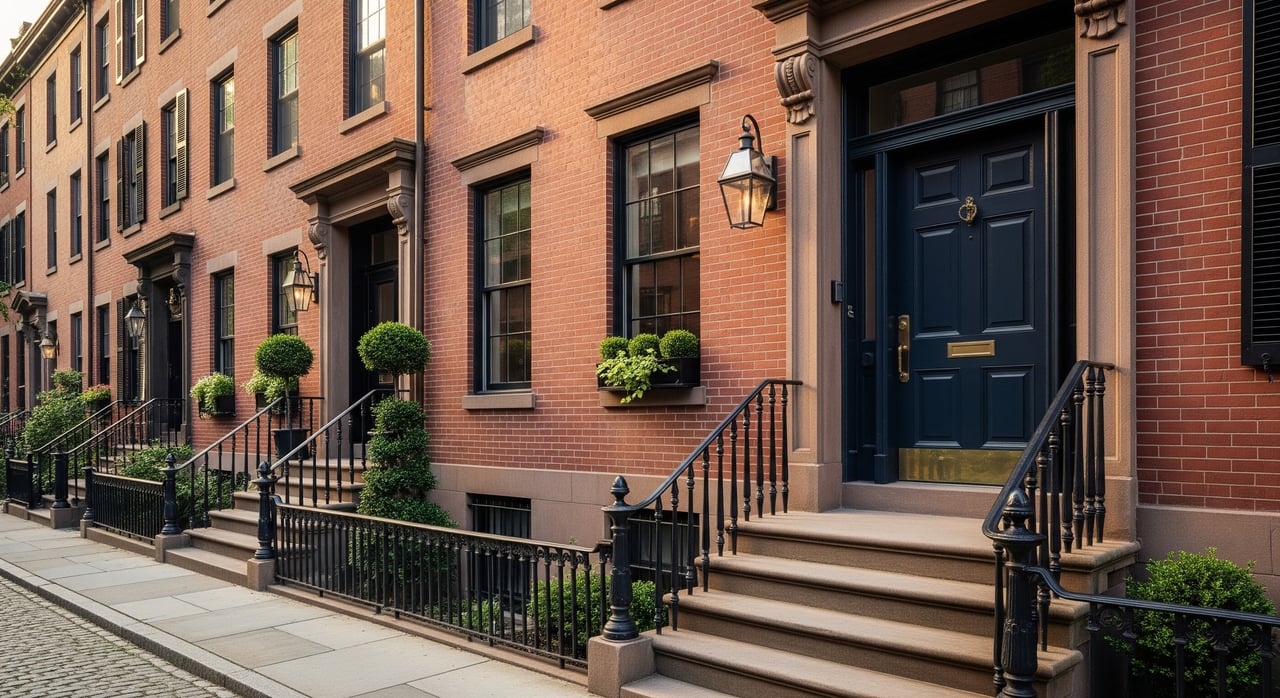
Thinking about transforming a Beacon Hill brownstone into your ideal home? These historic townhouses are rich in character, but they come with rules, timelines, and technical details that can surprise even seasoned owners. In this guide, you will learn how to plan the work, secure approvals, avoid common pitfalls, and assemble the right team for a smooth, compliant renovation. Let’s dive in.
Start with a plan
A clear plan protects your budget and your timeline. It also sets you up for faster approvals.
Define your scope
Decide what you want to change. Interior-only updates are simpler than exterior alterations. Work on windows, doors, facades, stoops, rooflines, or visible rooftop equipment typically triggers historic review. Structural changes, unit conversions, and systems upgrades usually require building permits. If your project may impact a shared entrance, cellar, or party wall, plan for added coordination.
Turnkey vs. renovation
You may prefer a turnkey property if you value predictability and immediate use. Renovation lets you customize and preserve historic details, but it brings longer timelines and more uncertainty. Weigh your tolerance for disruption, the need for approvals, and the availability of funds plus a contingency.
Know the rules in Beacon Hill
Beacon Hill is a local historic district with layered approvals. Understanding them early saves time.
Historic-district review
Exterior work visible from the public way often requires review and approval. Typical items include window replacement or profile changes, door and transom alterations, stoop repair, brick or brownstone repointing and patching, cornice work, rooftop dormers or mechanicals, and fences or railings. Be ready with photos, measured drawings, elevations, and material specifications. Hearings run on set schedules, so timing matters.
City permits and public way
Most renovations need building permits. Structural, mechanical, electrical, and plumbing scopes are reviewed by the City. If you need scaffolding, sidewalk sheds, dumpsters, lifts, or temporary street closures, you also need public-way permits. These add lead time and require careful coordination, especially on narrow streets.
Incentives and eligibility
Some Beacon Hill buildings are listed on state or national registers. Rehabilitation tax incentives generally apply to income-producing historic properties that follow the Secretary of the Interior’s Standards. Owner-occupied single-family homes usually do not qualify. Confirm eligibility with the appropriate state and federal agencies before you plan around incentives.
Respect the building fabric
Historic materials respond best to proven methods and skilled trades.
Masonry and brownstone
Use mortar and repair techniques that match original materials. Cement-rich mixes can damage soft historic brick or brownstone. Cleaning methods should be gentle and appropriate for the facade. Engage a mason experienced in historic repointing and stone patching.
Windows and doors
Original wood sash and door assemblies are often character-defining. Repair is commonly preferred over replacement. If replacement is allowed, expect strict control over profiles, muntins, and sightlines. Storm windows or insulated retrofits can improve performance while preserving appearance.
Roofs and rooftop equipment
Roofline changes, dormers, and visible mechanicals are reviewed. Site condensers, solar panels, and other equipment out of public view when possible. Screening and low-profile solutions are common.
Cellars and drainage
Older foundations may show settling or moisture infiltration. Plan for waterproofing and improved drainage that does not harm historic fabric. Converting a basement to living space adds code requirements for egress, headroom, and damp-proofing.
Structure and stairs
Timber framing may need reinforcement for new loads like modern kitchens. Original staircases are often preserved, but code updates for egress and safety can be complex in narrow footprints. Early structural review helps avoid redesign midstream.
Systems and utilities
Routing modern HVAC in a slender rowhouse is tricky. Ductless mini-splits, small-duct systems, or creative vertical chases are common solutions. Many projects require electrical upgrades and full plumbing replacement. Plan for selective demolition and careful patching of plaster and trim.
Timeline and logistics
Historic projects move at the pace of documentation, hearings, and careful construction.
Typical phases and durations
- Pre-planning and feasibility: 2 to 6 weeks.
- Design and documentation: 4 to 12 or more weeks.
- Historic-district review and approvals: 4 to 12 weeks, sometimes longer.
- Building and public-way permits: 2 to 8 weeks after submission.
- Procurement and mobilization: 2 to 8 or more weeks.
- Construction: small interior remodel 6 to 16 weeks; larger gut or structural 4 to 9 months; full restoration or major addition 6 to 18 or more months.
- Final inspections: days to weeks, depending on schedules and punch lists.
Beacon Hill logistics
Access is tight and parking is limited. Schedule deliveries, lifts, and sidewalk use early. Expect restrictions on working hours and noise. Many properties are condominiums or multi-owner buildings, which adds board approvals and neighbor notifications.
Common delays and how to avoid them
- Redesigns after historic review feedback. Submit complete, high-quality drawings and samples.
- Hidden conditions like rot, structural issues, or hazardous materials. Plan for exploratory work and testing.
- Long lead times for custom windows or specialty stone. Order early and confirm shop drawings fast.
- Limited staging space. Secure public-way permits and schedule equipment well ahead.
Budget with contingencies
Historic work often costs more than a standard remodel due to specialized labor and materials.
Cost ranges to frame expectations
- Cosmetic updates: lower thousands to tens of thousands.
- Kitchen and bath remodels: tens of thousands to above $100,000, depending on scale and finishes.
- Major gut plus systems: often in the low hundreds of thousands. High-end restorations or additions can exceed $500 to $700 per square foot.
Smart ways to manage cost
- Protect character. Retain original elements that are costly to replicate, such as staircases or plaster moldings.
- Sequence for efficiency. Combine invasive tasks like electrical and plumbing to limit repeated openings.
- Hold a robust contingency. Set aside 10 to 25 percent or more for surprises.
- Prioritize approvals. Align design choices with likely historic-district outcomes to avoid change orders.
Build your A‑team
The right specialists streamline approvals and execute precise work.
Specialists you will likely need
- Preservation architect for context-sensitive design.
- Licensed architect or engineer for code, structural, and MEP integration.
- Contractor with historic restoration experience in masonry, windows, and plaster.
- Environmental testing and abatement pros for lead and asbestos.
- Permit expeditor familiar with Boston hearing schedules and public-way permits.
- Real estate attorney and, if applicable, condo counsel for association approvals and title issues.
- Accountant for tax-credit and incentive considerations when relevant.
Documents to assemble early
- Existing conditions survey and measured drawings.
- Photo documentation of historic features.
- Proposed elevations, sections, materials, and color samples for exterior work.
- Structural report for any load-bearing changes.
- Lead and asbestos testing results if demolition or paint disturbance is planned.
- Contractor licenses and insurance for permit applications.
Step-by-step renovation roadmap
- Define goals, budget, and tolerance for disruption.
- Engage a preservation-minded architect and contractor for feasibility.
- Document existing conditions and prioritize what to preserve.
- Develop schematic designs aligned with historic guidelines.
- Conduct early testing for lead, asbestos, and moisture.
- Prepare submission packages for historic review.
- Submit building and specialty permits; plan public-way logistics.
- Finalize bids, lock materials, and schedule long-lead items.
- Begin construction with clear sequencing and protection of historic fabric.
- Complete inspections, punch lists, and final approvals.
Basement conversions and rooftop plans
Basement or cellar upgrades can add valuable space, but they trigger requirements for egress, headroom, and damp-proofing. Rooftop decks, dormers, and solar installations may be reviewed if visible from the public way. Discreet siting and low-profile systems have a better chance of approval. Bring these ideas to the review process early.
Condo and multi-unit considerations
If your brownstone has multiple units or tenants, plan for association and legal requirements. Unit conversions, changes of use, or expanded habitable space can require additional code reviews or variances. Renovations in occupied rental units may trigger tenant-protection rules. Build time for notices and coordination into your schedule.
How Beth can help
Renovating in Beacon Hill is a high-stakes, detail-driven process. You deserve a trusted advisor who understands both historic properties and the Boston approval landscape. Beth brings deep downtown expertise, a concierge approach, and a vetted network of preservation architects, specialty contractors, expeditors, and attorneys. Whether you are weighing turnkey versus renovation, or you are ready to plan your submission and construction schedule, she can align the right team and keep your goals on track with discretion and precision.
Ready to talk through options, timelines, and next steps for your Beacon Hill brownstone? Connect with Beth Dickerson for a confidential consultation.
FAQs
Do exterior changes in Beacon Hill need approval?
- Yes. Exterior work visible from the public way, including windows, doors, facades, stoops, rooflines, and rooftop equipment, typically requires historic-district review and approval.
How long do approvals and permits take in Beacon Hill?
- Plan for 4 to 12 weeks for historic review, 2 to 8 weeks for building and public-way permits after submission, plus added time if hearings, revisions, or variances are needed.
Do I need historic review for interior-only work?
- Generally no, if the work is not visible from the street and does not affect the exterior or structural system. Structural changes or changes of use still require city permits.
Can I add a rooftop deck or solar panels?
- Possibly. Rooftop additions and solar visible from the street are usually subject to review. Discreet, non-visible installations have a better chance of approval.
Are there tax credits for owner-occupied homes?
- Federal historic rehabilitation tax credits typically apply to income-producing historic properties. Owner-occupied single-family residences usually do not qualify. Confirm eligibility before you plan around incentives.
What health and safety rules affect renovation?
- Lead-safe practices are required when disturbing painted surfaces in pre-1978 homes. Asbestos-containing materials must be tested and, if present, abated by licensed professionals when disturbed.
What should I budget for contingencies?
- Set aside 10 to 25 percent or more of your total project budget for hidden conditions, historic review adjustments, and long-lead specialty items.