Is price per square foot the best way to compare a Back Bay condo to a South End brownstone? It can be helpful, but only if you know what you’re looking at. These neighborhoods have different building types, amenities, and layouts that can swing PPSF up or down fast. If you want clarity before you buy or sell, you’re in the right place.
In this guide, you’ll learn how PPSF is calculated, why it varies between Back Bay and the South End, and how to compare properties the way appraisers and top brokers do. You’ll also get practical checklists for buyers and sellers so you can make confident decisions. Let’s dive in.
What price per square foot really means
Price per square foot is typically the sale price divided by the home’s interior living area as reported in MLS. Some reports use listed or assessed square footage instead. That small difference can lead to big swings in PPSF, so always verify which source was used.
Common pitfalls to watch:
- Inconsistent square footage definitions. Finished vs. unfinished areas, basement treatment, and whether storage or closets are included can vary across records.
- Small-unit premiums. Pieds-à-terre and compact units often show higher PPSF because fixed building and location premiums are spread over fewer square feet.
- Amenity and view premiums. Concierge, parking, fitness centers, roof decks, and park or river views can push PPSF higher than a plain unit of similar size.
- Townhouse measurement quirks. Multi-level layouts and partial basements make townhouse PPSF tricky to compare to single-floor condos.
The takeaway: PPSF is most useful for apples-to-apples comparisons, ideally within the same building or between near-identical units on comparable blocks.
Back Bay vs. South End by product type
Back Bay and the South End share historic architecture and protected streetscapes, but their mix of buildings differs. That mix shapes PPSF trends.
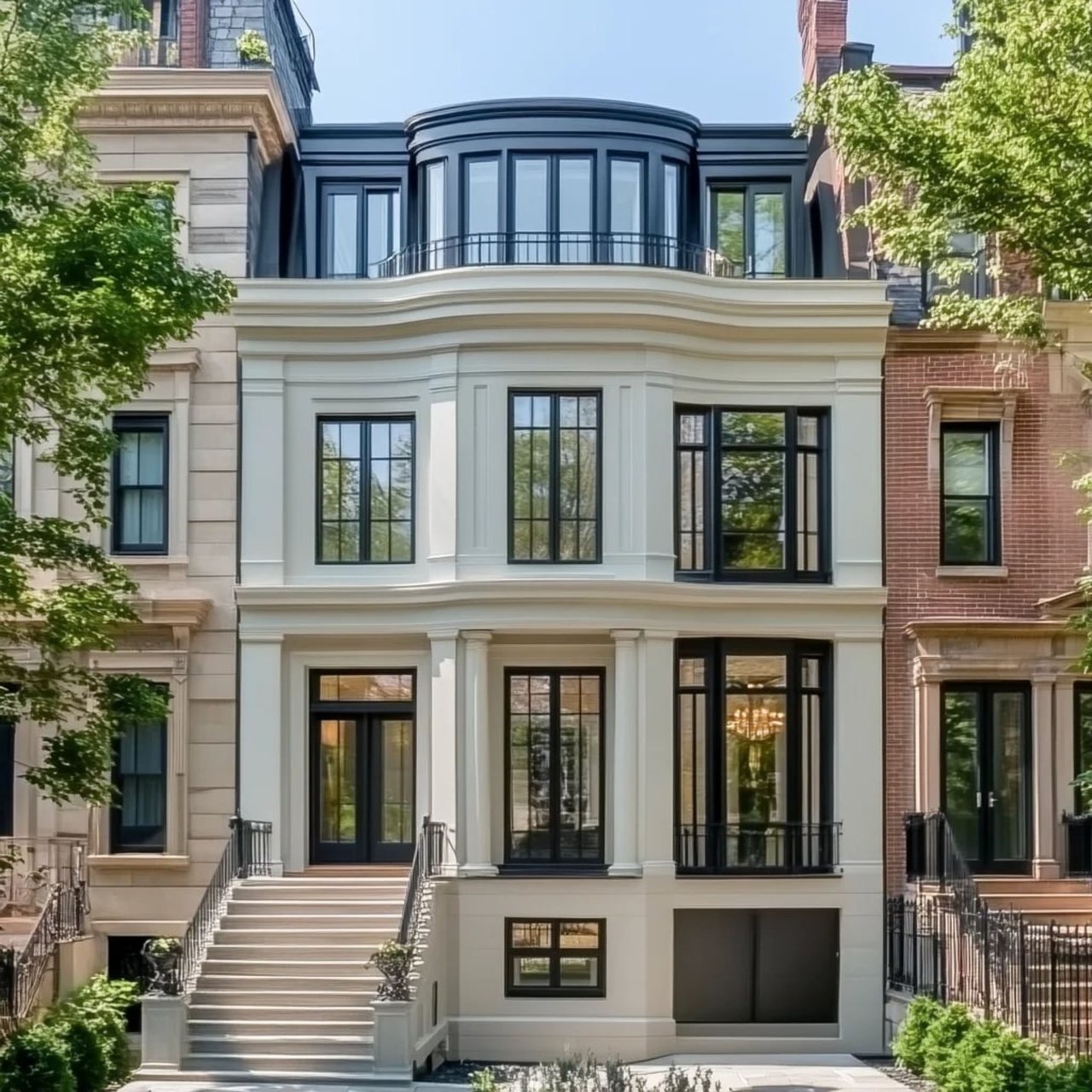
Brownstones and townhouses
- Back Bay: You see fewer brownstones and many sit on high-status addresses like Commonwealth Avenue or near the Public Garden. Narrower, vertically stacked layouts are common. Prestige, architectural detail, and adjacency to top retail corridors tend to raise PPSF. Historic oversight can increase renovation costs, so well-restored homes often command strong premiums.
- South End: Larger townhouse footprints and deeper lots appear on many blocks. Numerous properties have been renovated into multi-level luxury homes. For similar total square footage, South End brownstones may trade at lower or comparable PPSF depending on the block. Larger contiguous space can reduce PPSF even when the total price is high.
What to verify: Whether lower-level or loft areas are included in the living area. That single detail can skew PPSF comparisons.
Full-service condominiums
- Back Bay: A larger share of high-amenity buildings and luxury conversions. Valet or concierge, doorman service, indoor parking, and fitness centers are common. Riverfront and Commonwealth Avenue locations often deliver the highest PPSF, especially for buyers seeking low-maintenance living.
- South End: Fewer traditional full-service towers and more boutique properties. When amenities match, PPSF can rival Back Bay, but the smaller number of large-scale luxury buildings means results vary by address and building quality.
Guiding principle: The richer the amenity package and service level, the higher the PPSF tends to be.
Boutique buildings and lofts
- Back Bay: Boutique conversions present limited, high-quality inventory with premium finishes and exceptional locations near retail and parks. That scarcity can support high PPSF for well-done units.
- South End: A robust supply of loft conversions and boutique new builds in former industrial pockets offers larger single-floor layouts and design-forward spaces. PPSF varies widely based on finishes, outdoor space, and building services. A broader supply of boutique options can compress PPSF for baseline finishes, while premium offerings and private terraces push it higher.
Bottom line: Product type, finish level, and services often matter more than a neighborhood label on their own.
Key drivers that move PPSF
Several factors consistently explain PPSF differences between Back Bay and the South End:
- Location prestige and streetscape. Formal avenues near the Public Garden and high-end retail corridors in Back Bay support a durable premium. South End’s dining and arts identity draws buyers seeking neighborhood character, which shapes pricing patterns.
- Floor plate and efficiency. Buyers often pay more per square foot for efficient single-floor layouts than for vertically stacked townhouses of the same size.
- Amenities and services. Doorman and concierge, secure parking, fitness, and rooftop spaces typically raise PPSF versus boutique buildings without these features.
- Condition and finishes. Turnkey systems and high-end kitchens or baths increase PPSF. Dated interiors require discounts.
- Outdoor space and views. Private terraces, roof decks, and park or river views can justify meaningful premiums.
- Parking and storage. Deeded, guaranteed parking in an urban core adds clear value. Always note whether it is included, leased, or available for purchase.
- Historic designation and renovation constraints. Preservation rules limit supply and can increase renovation costs, which feeds into higher values for well-restored properties.
- Inventory dynamics. In historic neighborhoods with limited new construction, tight resale inventory tends to lift PPSF. Shifts in demand and interest rates can move PPSF quickly, so use recent sold comps.
How to compare values with confidence
Use a professional workflow to avoid misleading comparisons:
Define the product type precisely. Brownstone single-family, brownstone condo, full-service condo, boutique condo, or loft. Compare like with like.
Pull recent sold comps. Start with 3 to 6 months. If activity is thin, expand to 12 months and disclose your timeframe.
Verify square footage sources. Cross-check MLS living area with the city assessing database. Reconcile differences before you calculate PPSF.
Adjust for key value drivers. Document premiums for condition, floor level, views, outdoor space, and parking. Note amenity packages and service levels.
Disclose how you handled parking. Report PPSF on living area, then add a separate line item for parking value, or present PPSF both with and without a standardized parking adjustment.
Present ranges and medians, not one-off outliers. State your date range, product type filters, and any adjustments you made.
This approach mirrors how appraisers and seasoned brokers evaluate urban comps in Boston’s historic districts.
For buyers: using PPSF wisely
When you evaluate a potential purchase, start with building-level comps and then widen to the immediate block. You will get the truest read on PPSF by keeping product type and amenities constant.
Buyer checklist:
- Confirm the square footage source and what spaces are included.
- Rank the building’s services and amenities against recent sold units.
- Compare floor plans for efficiency and single-floor living vs. multi-level layouts.
- Value outdoor space and views separately, then check how those premiums appear in recent sales.
- Note the parking situation and storage. Deeded parking is not interchangeable with leased spaces.
- Look for recent renovations and major system updates. Turnkey units usually command higher PPSF but can save you time and renovation risk.
If you compare a compact Back Bay condo with concierge to a larger South End townhouse, expect the condo to show a higher PPSF even if the townhouse’s total price is greater. That difference often reflects amenities and layout, not a mispricing.
For sellers: positioning for top PPSF
Your goal is to show a clear value story that justifies a premium relative to the closest comps.
Seller checklist:
- Align your comp set to your exact product type and immediate block.
- Document every premium feature. Parking, private outdoor space, new systems, high-end kitchen and baths, and storage should be highlighted.
- Refresh high-impact surfaces. Paint, lighting, and hardware can lift perceived quality and PPSF.
- Address inspection items proactively. Buyers pay up for turnkey confidence.
- Stage for layout efficiency. Show how every square foot functions well.
- Clarify square footage measurement in your disclosure package. Transparency builds trust and reduces renegotiation risk.
In Back Bay, the right presentation of a well-restored brownstone or a fully serviced condo can unlock exceptional PPSF. In the South End, premium finishes, private outdoor space, and a clean, efficient layout can close the PPSF gap with more established addresses.
Common pitfalls and how to avoid them
- Comparing across product types. A tower condo and a multi-level townhouse behave differently on a per-square-foot basis. Keep your comp set consistent.
- Ignoring square footage discrepancies. If MLS and assessor records differ, dig in. An error can swing PPSF by hundreds of dollars.
- Overlooking service levels. A 24-hour concierge, valet, and on-site amenities carry real premiums that belong in the analysis.
- Excluding parking from the value story. Show PPSF on living area, then add or disclose a separate parking value so buyers see the full picture.
- Using outdated comps. Historic-core markets move quickly when inventory tightens. Refresh your set every few weeks in an active market.
The bottom line and next steps
In Back Bay and the South End, PPSF tells a story about product type, location, services, and design, not just raw size. If you define your comparables carefully and adjust for the right drivers, you can benchmark value with confidence. Whether you are acquiring a pied-à-terre near Newbury Street or preparing a turnkey South End brownstone for market, precise PPSF analysis helps you act decisively.
If you want a building-level comp set and a clear PPSF strategy tailored to your goals, connect with Beth Dickerson. You will get discreet, data-informed guidance backed by deep neighborhood expertise and global reach.
FAQs
What is price per square foot and how is it calculated?
- PPSF is the sale price divided by interior living area as reported in MLS or public records. Always confirm which square footage source was used.
Why does a smaller Back Bay condo show higher PPSF than a larger South End townhouse?
- Smaller, efficient condos often command higher PPSF due to amenity and location premiums, while larger multi-level homes can show lower PPSF despite higher total prices.
How do amenities like concierge and parking affect PPSF in Boston?
- Full-service buildings with concierge, valet, fitness, and deeded parking typically trade at higher PPSF than boutique buildings without those services.
Can I compare assessed PPSF to market PPSF when valuing a home?
- Assessed values can lag the market. Use recent sold comps for market PPSF and reference assessed data only to spot anomalies in reported square footage.
What is the right timeframe for comps in Back Bay or the South End?
- Use 3 to 6 months for active segments. Expand to 12 months when sales are thin, and disclose the timeframe you used.
How should I account for parking when reporting PPSF?
- Report PPSF based on living area, then add a separate stated value for parking or present PPSF both including and excluding a standardized parking adjustment.