If you are preparing to sell a Wellesley estate, first impressions carry real weight. Buyers at this level are not only comparing price and square footage, but also judging condition, presentation, privacy, and how seamlessly a home supports daily life and entertaining. With thoughtful planning, you can position your property to stand out in a market where polished homes move quickly. Let’s dive in.
Why Wellesley estate presentation matters
Wellesley is a high-value market with a large share of well-educated, high-equity homeowners. Census data shows median household income above $250,000 and a median value of owner-occupied homes of $1,582,700, while the Town’s housing work also reports median household income above $250,000.
Pricing data also points to a strong luxury environment. Recent reports placed Wellesley’s median sale or listing prices around the $2 million range, and market time was measured in just over two to three weeks depending on the source. The Town of Wellesley reported a 2024 median single-family sales price of $2,103,500.
For upper-tier homes, the physical character of the housing stock shapes buyer expectations. The Town’s strategic housing work notes that upper-quartile single-family homes have a median lot size of 23,295 square feet, a median residential area of 4,544 square feet, and are often Colonial in style. In practical terms, buyers are evaluating both the house and the grounds, which makes overall coherence especially important.
Start with a pre-listing estate review
Before you schedule photography or discuss launch dates, take a clear-eyed look at the property from a buyer’s perspective. In a luxury market, small visual distractions can pull attention away from architecture, scale, and setting.
A strong pre-listing review should focus on visible condition, maintenance, and broad appeal. NAR’s 2025 Remodeling Impact Report found that the projects agents most often recommend before listing include painting the entire home, painting a single interior room, and replacing the roof. The same report also highlighted kitchen upgrades, bathroom renovations, and new roofing as high-demand projects.
That does not mean you should begin a major personalized renovation. It means you should prioritize improvements that make the home feel well maintained, current, and easy to appreciate at first glance.
Improvements worth prioritizing
- Fresh interior paint where color, wear, or finish feels dated
- Roof repair or replacement if condition is a concern
- Kitchen and bath updates that improve function and appearance without overcustomizing
- Front door upgrades if the entry lacks presence
- Closet improvements that support organization and storage
- Deferred maintenance that buyers will notice immediately
Elevate curb appeal before buyers arrive
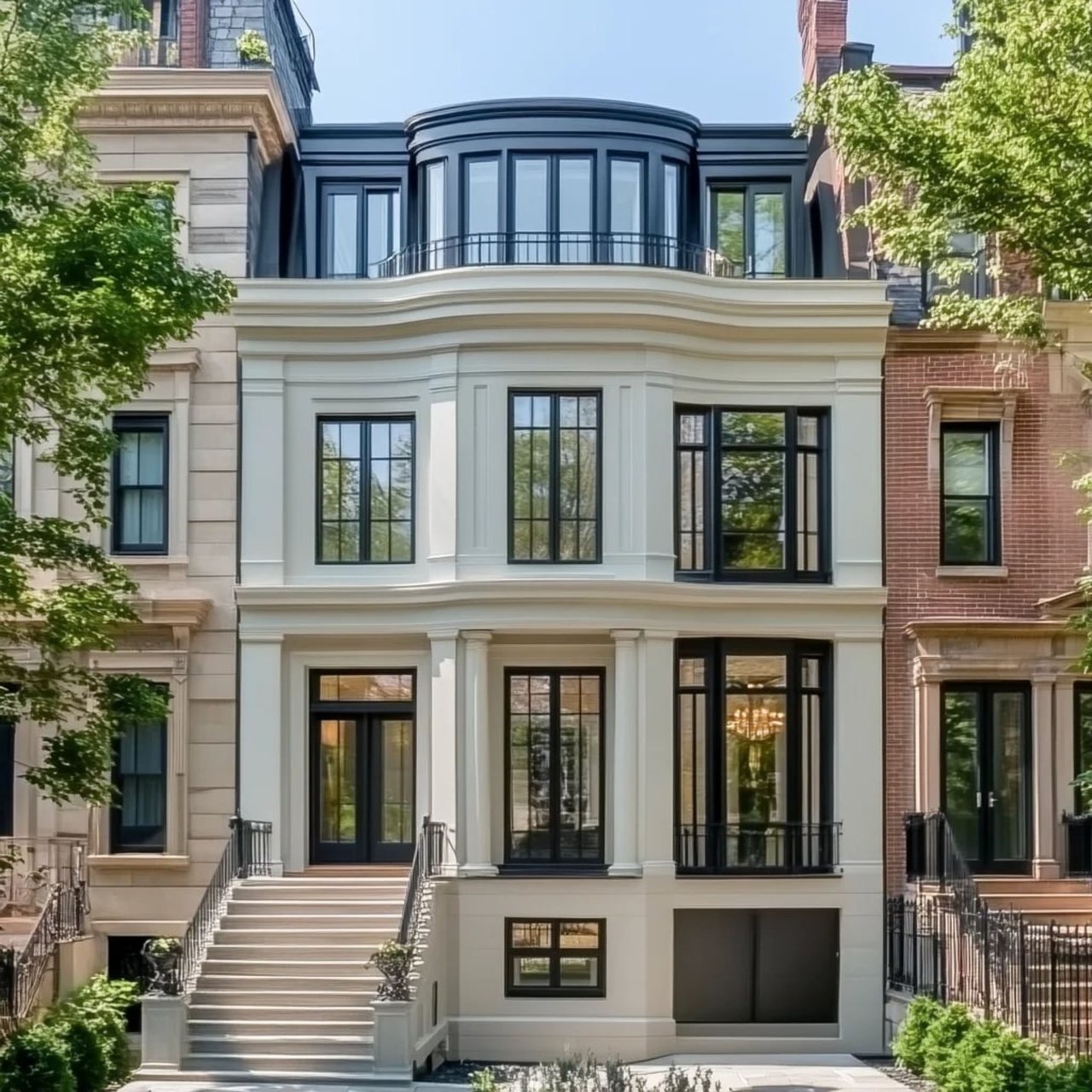
In Wellesley, curb appeal is not a minor detail. It is part of the estate experience. Buyers often form their first opinion before they leave the driveway or front walk.
NAR’s 2025 outdoor features research found that 92% of REALTORS recommended curb appeal improvements before listing, while 97% to 98% said curb appeal is important to attracting a buyer and matters to the buyer experience. That is especially relevant for larger Wellesley homes where the approach, landscaping, and exterior condition set the tone.
You do not need extravagant landscaping to make an impact. You need order, care, and visual clarity.
Curb appeal checklist for a Wellesley estate
- Clean walkways, steps, and hardscaping
- Fresh mulch and crisp bed edging
- Trimmed shrubs and controlled plant growth
- Seasonal plantings at the entry
- Working exterior lighting
- A tidy front door and entry surround
- Clean garage doors and visible exterior surfaces
- Correction of obvious paint, trim, or masonry wear
For many estates, the grounds are part of the value story. Buyers want to see that outdoor spaces feel intentional and manageable, not neglected or visually busy.
Check Wellesley review and permit issues early
If you are planning exterior work, timing matters because some projects may require local review. This is one of the biggest reasons luxury sellers should begin preparation early rather than assume they can make last-minute changes.
In Wellesley, the Historic District Commission reviews exterior architectural changes for the Cottage Street Historic District and five single-building historic districts. According to the Town’s guidance, plants, trees, and shrubs are exempt from review, but items such as fences, stone walls, retaining walls, windows, doors, porches, garages, lighting fixtures, and demolition may be reviewable in many districts.
Environmental conditions can also affect your timeline. Wellesley states that work within 100 feet of wetlands or 200 feet of perennial streams may require a permit for grading, cutting, tree removal, excavation, filling, landscaping reconstruction, drainage changes, or increasing impervious surface.
The Town’s tree protection bylaw adds another layer for certain projects. Significant demolition or development affecting large private trees requires a Tree Protection & Mitigation Plan.
Exterior work to review before you schedule it
- Window or door replacements
- New or altered exterior lighting
- Fence, wall, or retaining wall work
- Porch or garage changes
- Demolition or major exterior alterations
- Tree removal or significant site work
- Drainage or grading changes
If your estate may be affected by local review, it is wise to account for that before you lock in a launch date.
Time your launch around preparation needs
A luxury listing launch is more than putting a home on the market. It is the coordinated release of photography, property narrative, staging, and showing readiness. In Wellesley, weather and season can make a meaningful difference.
NOAA climate normals for Boston Logan show that temperatures rise steadily from March into June, while snowfall is concentrated in winter and early spring. From May through September, snowfall is near zero. That makes late spring through early fall especially practical for showcasing grounds, outdoor living areas, and exterior photography.
Local listing timing also matters. Realtor.com’s 2026 research identified March 8 as the best week to list in the Boston-Cambridge-Newton metro, noting that spring activity in high-demand coastal markets like Boston often starts earlier than many sellers expect.
The takeaway is simple: if you want to hit early spring demand, your preparation likely needs to start in winter. If your estate needs landscaping, staging, or permit-sensitive exterior work, start even earlier.
A realistic estate preparation timeline
6 to 10 weeks before launch
- Walk the property and create a repair and presentation plan
- Identify any exterior items that may require local review
- Schedule painters, landscapers, and contractors
- Begin decluttering and storage planning
3 to 5 weeks before launch
- Complete cosmetic work and visible maintenance
- Install or refine staging in primary rooms
- Finish landscape cleanup and entry presentation
- Confirm photography timing around weather and light
1 to 2 weeks before launch
- Photograph the property once the home and grounds are fully ready
- Finalize floor plans and detailed marketing remarks
- Prepare for private showings and open houses if applicable
- Complete final cleaning and styling touches
Nationally, 53% of sellers took one month or less to get ready to list, according to Realtor.com. For a Wellesley estate, that may be too compressed if you want a truly polished result.
Stage for how buyers actually shop
Luxury buyers may tour in person, but their first impression often happens online. That means staging is not only about showings. It is also about how the home reads in photos, on mobile devices, and in a detailed listing package.
NAR’s 2025 home search data found that 46% of buyers first looked online for properties, 70% used a mobile or tablet device, and 81% said photos were the most useful website feature. Buyers also valued detailed property information and floor plans.
Staging helps those assets perform better. In NAR’s 2025 Profile of Home Staging, 83% of buyers’ agents said staging made it easier for buyers to visualize a property as a future home. Nearly half of sellers’ agents also said staging reduced time on market.
Rooms that deserve the most attention
NAR’s staging data found that the most commonly staged rooms were:
- Living room
- Primary bedroom
- Dining room
- Kitchen
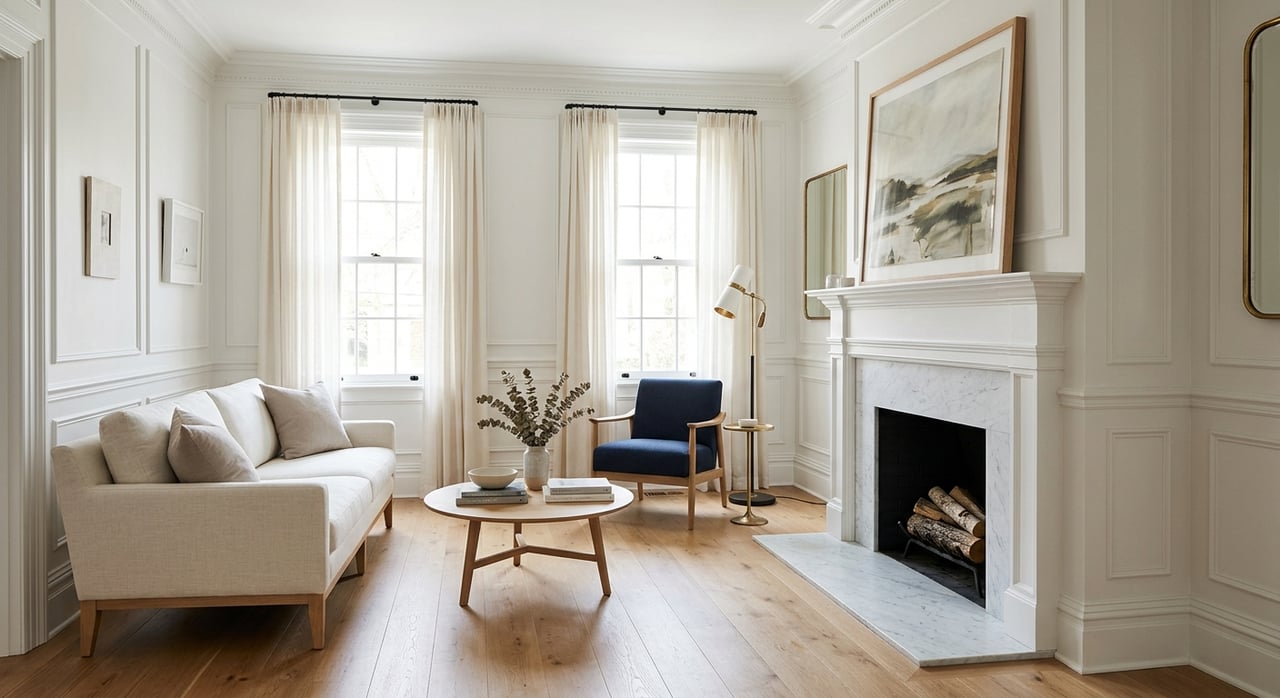
For a Wellesley estate, those spaces often carry the strongest emotional and visual impact. They should feel proportionate, calm, and easy to understand. A buyer should be able to grasp how the home lives without distraction from excess furniture, personal styling, or awkward room use.
Build a marketing story beyond square footage
At the estate level, marketing should not rely on size alone. Buyers want to understand how a property feels, how spaces connect, and what daily life could look like there.
The most effective listing story usually combines architecture, natural light, privacy, room flow, and outdoor living. If the home has classic Colonial character, generous grounds, or strong entertaining spaces, those features should be presented in a way that feels curated rather than generic.
Online assets are central to that story. Buyers found 52% of purchased homes online and 27% through an agent, according to NAR’s 2025 data. That is why photography, floor plans, detailed descriptions, and a well-produced digital launch package matter so much.
What buyers should understand immediately
- The architectural character of the home
- The scale and flow of main living spaces
- The relationship between interior rooms and outdoor areas
- The privacy and setting of the property
- The practical livability of the floor plan
- The overall level of maintenance and readiness
When all of that is communicated clearly, your estate feels more compelling before a buyer ever schedules a visit.
Think like a discerning buyer
Discerning buyers tend to notice alignment. They want the exterior, interior, grounds, and marketing to feel consistent with the asking price and the lifestyle the home suggests.
That does not require perfection. It requires intention. If the landscaping is polished but the paint feels tired, or the interiors are elegant but the front entry feels overlooked, the experience can feel uneven.
The goal is to remove friction. When buyers can focus on the property’s best qualities instead of a to-do list, they are more likely to respond with confidence.
A polished launch can shape the outcome
In a market like Wellesley, where upper-tier homes are substantial, valuable, and often rich in traditional character, preparation is part of pricing strategy. Thoughtful updates, strong curb appeal, careful staging, and a well-timed launch can help your estate meet the market with clarity and confidence.
If you are considering a sale, the right plan starts well before the listing goes live. For a discreet, concierge-level approach to preparing and positioning your home, connect with Beth Dickerson.
FAQs
What makes Wellesley estate preparation different from a standard home sale?
- Wellesley’s upper-tier homes are often larger, sit on substantial lots, and may involve older architectural details, which makes exterior condition, grounds, staging, and launch timing especially important.
When should you start preparing a Wellesley estate for sale?
- If you hope to catch early spring demand in the Boston area, it is smart to begin planning in winter, and even earlier if the property needs landscaping, staging, or exterior work that may require local review.
Which pre-listing improvements matter most for a Wellesley luxury home?
- The strongest priorities are usually visible condition items such as fresh paint, roof concerns, kitchen or bath improvements with broad appeal, entry enhancements, and deferred maintenance that buyers will notice right away.
Do exterior changes to a Wellesley estate ever require Town review?
- Yes. Depending on the property and the work, exterior architectural changes in certain historic districts, site work near wetlands or streams, and some tree-related work may require local review or permits.
Why is staging so important for a Wellesley estate listing?
- Staging helps buyers understand scale, flow, and livability, and research shows it can make it easier for buyers to visualize the home and may help reduce time on market.
What marketing materials matter most for a Wellesley luxury listing?
- Strong photography is essential, and buyers also value detailed property information and floor plans, so the online launch package should be polished, informative, and easy to understand.