Space changes more than your square footage. If you are thinking about moving from Boston to Concord, you are likely not just looking for a bigger house. You may be looking for more privacy, more land, easier storage, quieter mornings, and a daily routine that feels less compressed. This guide will help you understand what that move really means, from housing and commute patterns to village life and the tradeoffs that come with more room. Let’s dive in.
Why Concord Feels More Spacious
Concord offers a very different physical setting from Boston. The town has 18,491 residents spread across 24.51 square miles, which works out to about 754.3 people per square mile. That lower density is a big reason many Boston buyers experience Concord as a meaningful lifestyle shift, not just a change of address.
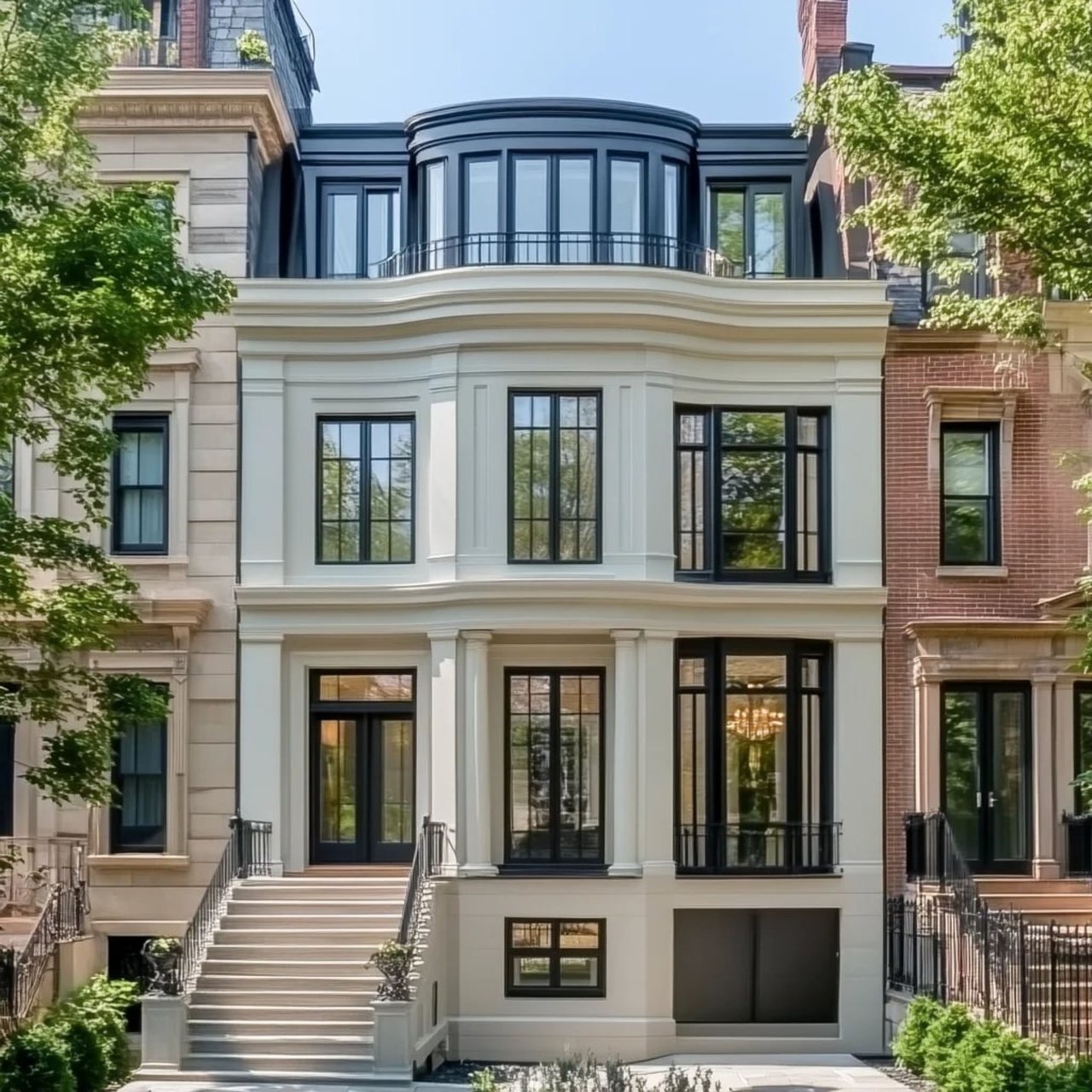
In practical terms, more space in Concord often means more land, more separation between homes, and a calmer overall feel. If you are coming from a condo, townhouse, or tighter city lot, that difference can be noticeable right away. It shapes everything from parking and storage to outdoor living and privacy.
What “More Space” Means in Concord
Space in Concord is often tied to lot size as much as interior square footage. The town’s zoning bylaw includes residential districts with minimum lot areas of 10,000 square feet in Residence C, 20,000 in Residence B, 40,000 in Residence A, and 80,000 in Residence AA. That framework helps explain why Concord often feels larger-scale and less compact than many Boston neighborhoods.
This does not mean every home looks the same. Concord includes older single-family streets, village-center buildings, and some potential for transit-oriented infill through its MBTA Communities Multi-family Overlay District. Still, the larger-lot pattern remains a defining part of the town’s character.
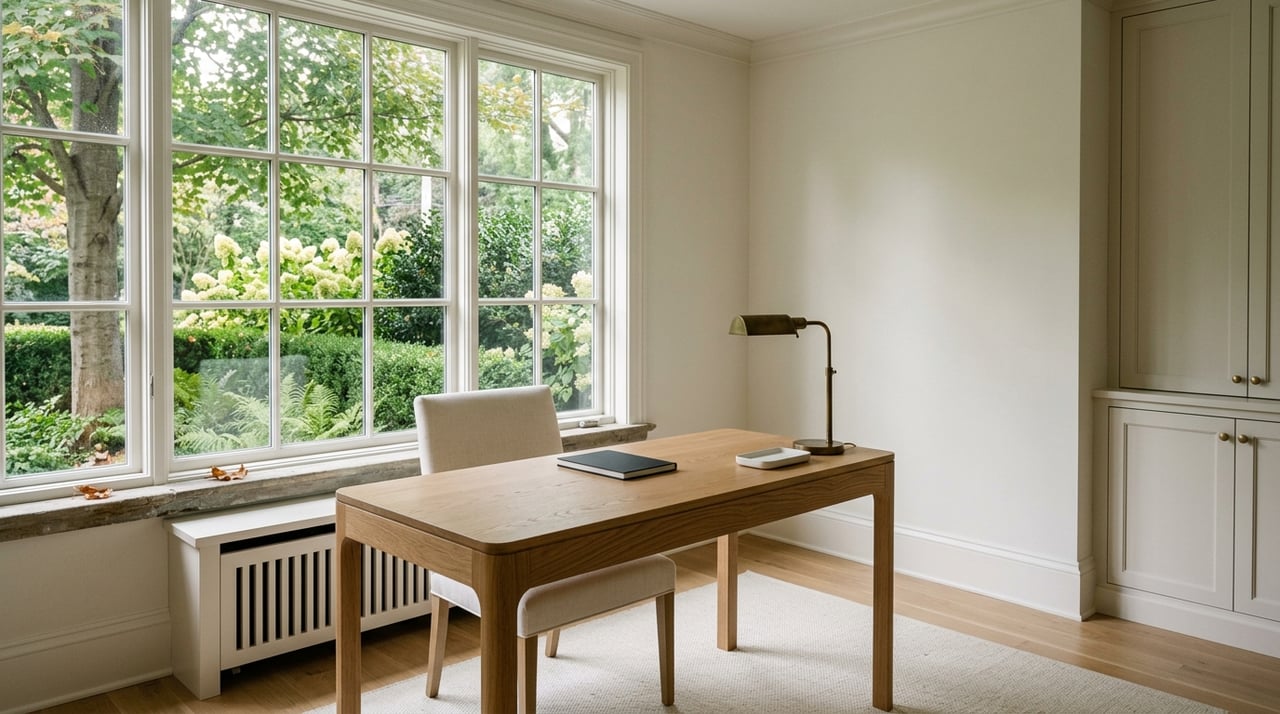
If your goal is a yard, room for guests, a home office, or more distance from neighbors, Concord may align well with that vision. The key is to match your version of “more space” with the part of town that supports it best.
Concord Housing Comes at a Premium
Moving to Concord is usually about lifestyle, not savings. The latest Census estimates put the median owner-occupied home value in Concord at $1.21 million, compared with $731,700 in Boston. That price gap matters if you are expecting more space to automatically mean better value.
Concord is also a strongly owner-oriented market. About 75.7% of housing units are owner-occupied, compared with 35.7% in Boston. On top of that, 90.2% of residents were living in the same house one year earlier, which suggests a market where people tend to stay put.
For you as a buyer, that can mean two things. First, Concord homes can command a premium because the town offers a specific lifestyle. Second, inventory may feel more selective because many owners hold onto their homes for longer periods.
Village Life Shapes Daily Routine
One of the biggest adjustments from Boston to Concord is how daily life is organized. Instead of a single dense urban core, Concord revolves around village centers. Your experience of the town may depend a lot on how close you are to Concord Center, Thoreau Depot, or West Concord.
Concord Center is described by the town as a walkable business village with shops, cafes, cultural venues, and civic buildings. Thoreau Depot is more rail-anchored, with groceries, hardware, pharmacy services, salons, dry cleaners, fitness, and medical and dental offices. West Concord functions as a neighborhood business district for everyday errands and local arts.
If walkability is important to you, West Concord stands out. Visit Concord describes it as very walkable, with convenient access to groceries, prescriptions, dry cleaning, shoe repairs, flowers, cafes, galleries, and performance spaces. For some Boston buyers, that blend of convenience and lower-density living can feel like the sweet spot.
Commuting From Concord to Boston
If you still need to be in Boston regularly, Concord keeps a workable connection to the city. The Fitchburg Line runs from Boston’s North Station and stops at Concord Depot. According to the MBTA weekday inbound timetable cited in the research, Concord is scheduled at 5:50 a.m. and North Station at 6:38 a.m., while West Concord is scheduled at 5:46 a.m. and North Station at 6:38 a.m.
That puts the posted rail trip at about 48 to 52 minutes, depending on station. For many buyers, that makes downtown access realistic. At the same time, it is a commuter rail rhythm, not a subway rhythm, so timing and station access matter much more.
If you plan to commute, one of the most important questions is how close you want to be to Concord Station or West Concord Station. A home that feels ideal on paper may feel less convenient if every train trip begins with extra driving and parking logistics.
Historic Character Is Part of the Appeal
Concord is not just about bigger lots. It also has a strong sense of historic character. The town describes Concord Center as bordered by 18th- to 20th-century buildings and landscapes within a National Historic District.
For Boston buyers who already value architecture and established settings, this can be a major draw. The housing conversation in Concord often centers on character-rich older homes rather than large volumes of brand-new inventory. If you want more space without giving up New England architectural context, Concord can offer that balance.
Nature Access Is a Daily Luxury
For many buyers, one of the biggest upgrades in Concord is outdoor access. More than 6,000 acres, or 38% of the town, are under permanent or temporary conservation restrictions. That level of protected land shapes the town’s look, feel, and long-term rhythm.
Nearby recreation options are a meaningful part of everyday life. Minute Man National Historical Park includes a 1,038-acre linear park across four units in three towns. Walden Pond State Reservation supports walking, swimming, and boating, while the Concord unit of Great Meadows National Wildlife Refuge offers trails, birding, and access to the Concord River.
If your idea of more space includes more time outside, Concord offers more than a private yard. It also gives you access to broader landscapes that can become part of your weekly routine.
Schools and Logistics Matter
If your household includes school-age children, logistics can shift along with your address. Concord Public Schools serves PreK through grade 8, and the Concord-Carlisle Regional School District serves grades 9 through 12. That structure can influence daily planning, after-school schedules, and how you think about location within town.
Even if schools are not your main reason for moving, these patterns still affect traffic flow and household routines. In a town where village centers and driving patterns matter, that day-to-day structure is worth keeping in mind as you narrow your search.
How to Choose the Right Concord Fit
Not every part of Concord will feel the same to a Boston buyer. If you want rail convenience and easier walkability, compare areas near Concord Center, Thoreau Depot, and West Concord. If you want the quietest possible setting, you may prefer locations farther from the village cores and station areas.
A simple checklist can help clarify your priorities:
- How important is proximity to Concord Station or West Concord Station?
- Do you want a larger lot, or would you trade some land for easier walkability?
- How often do you want to rely on a car for errands?
- Do you want village-center access, or more privacy from daily activity?
- Is historic character a priority, or is your focus mostly on scale and setting?
These questions often matter more than headline square footage. The right move is not just about getting out of Boston. It is about choosing the version of Concord that genuinely improves your day-to-day life.
The Real Tradeoff to Understand
The main tradeoff is clear. Concord can offer more land, more privacy, and stronger access to nature, but it does so at a premium price point and with a more planned daily rhythm. That is why buyers who are happiest with the move usually define their priorities early.
If you want more breathing room but still need a practical connection to Boston, Concord may be a compelling next step. The move tends to work best when you are intentional about station access, village convenience, lot size, and how much car use fits your lifestyle.
If you are weighing a move from Boston to Concord and want a polished, highly personalized strategy, Beth Dickerson offers a discreet, concierge-level approach tailored to high-touch transitions across Boston and nearby luxury markets.
FAQs
Is Concord, MA less dense than Boston?
- Yes. Concord has 18,491 residents across 24.51 square miles, or about 754.3 people per square mile, which creates a more spread-out setting than Boston.
Is commuting from Concord, MA to Boston realistic?
- Yes. The Fitchburg Line provides direct service to North Station, with posted inbound travel times of about 48 to 52 minutes from West Concord or Concord.
Are homes in Concord, MA more expensive than in Boston?
- Yes. The median owner-occupied home value is $1.21 million in Concord versus $731,700 in Boston.
Which Concord, MA areas are best for walkability?
- West Concord is described as very walkable, and Concord Center and Thoreau Depot also provide village-style access to shops, services, and daily errands.
Does Concord, MA offer larger lots than Boston?
- In many cases, yes. Concord’s zoning includes residential districts with minimum lot sizes ranging from 10,000 to 80,000 square feet, reinforcing the town’s larger-lot character.
What outdoor amenities does Concord, MA offer?
- Concord has more than 6,000 acres under conservation restrictions and offers access to Minute Man National Historical Park, Walden Pond State Reservation, and Great Meadows National Wildlife Refuge.
How are public schools structured in Concord, MA?
- Concord Public Schools serves PreK through grade 8, and Concord-Carlisle Regional School District serves grades 9 through 12.