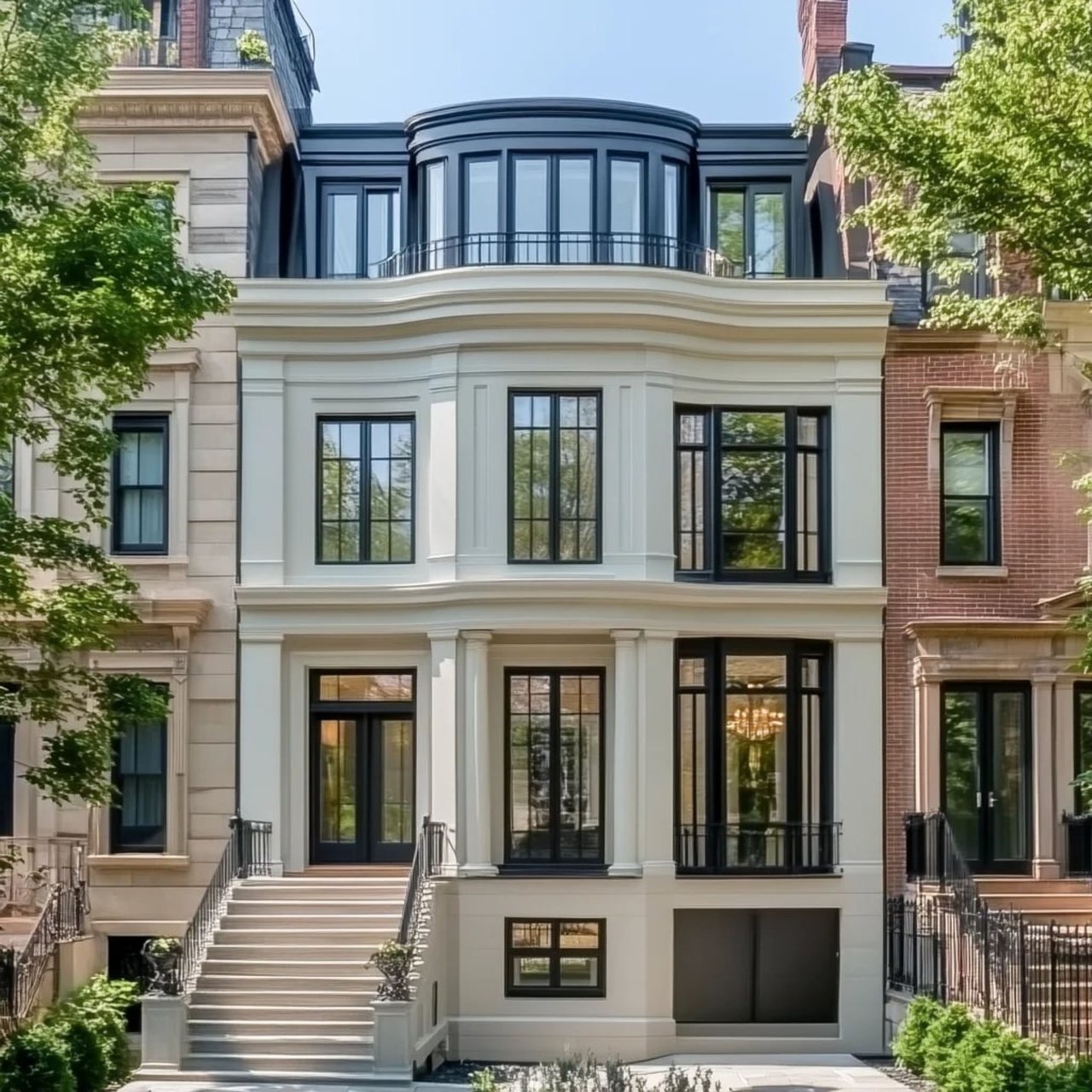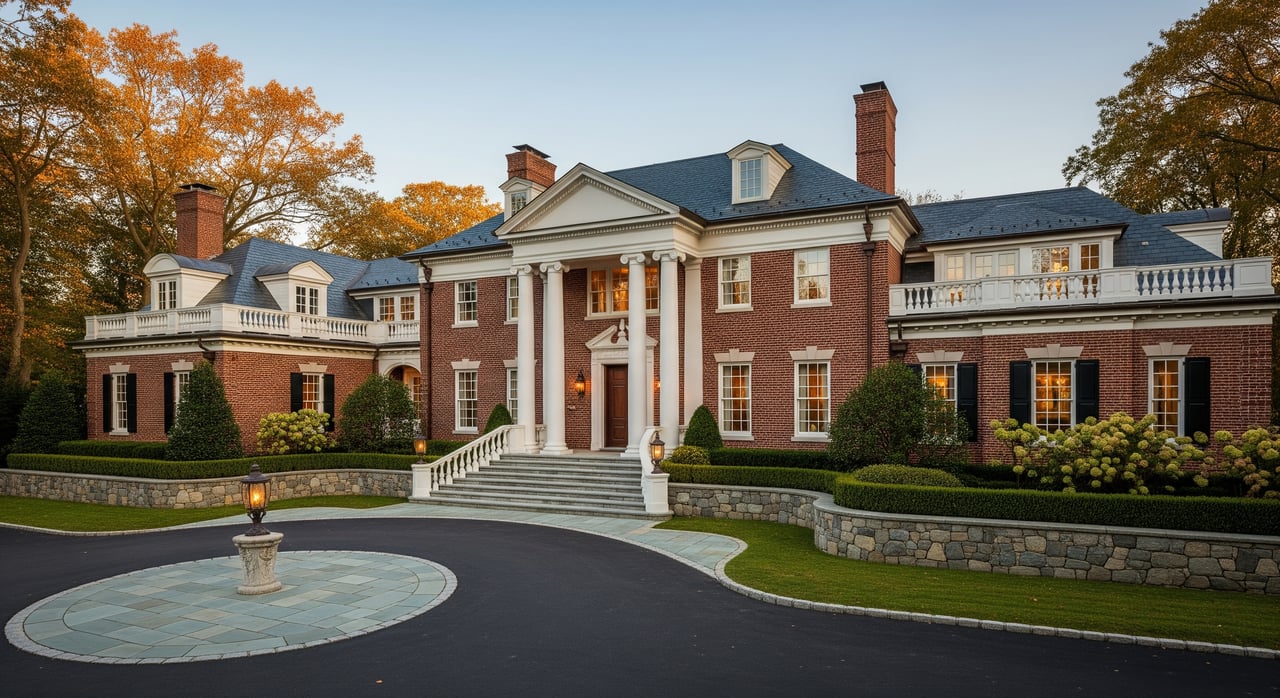
Thinking about paying cash for a Newton estate or financing a Cambridge condo and wondering which move makes your offer stronger? In Greater Boston’s luxury market, many purchases sit above the standard conforming limit, which means jumbo financing often comes into play. You deserve clear guidance on how jumbo loans work, what lenders expect, and how to use financing to win the home you want. This guide walks you through the essentials for Newton, Cambridge–Newton–Framingham, and Middlesex County buyers. Let’s dive in.
Jumbo basics in Greater Boston
A jumbo mortgage is any first mortgage that exceeds the conforming loan limit for the property’s county and year. Conforming loans are eligible for purchase by Fannie Mae or Freddie Mac, while jumbo loans are not. That difference drives unique pricing, documentation, and underwriting.
Limits change annually and can differ across nearby counties. Always verify the current county limit for your target property on the Federal Housing Finance Agency’s conforming loan limits page. That number determines whether your loan is conforming or jumbo.
When your Newton or Cambridge buy becomes jumbo
- Example A – Newton single-family: Purchase price around $2,000,000 with 25 percent down could produce a loan size that exceeds the local conforming cap, which is likely jumbo. Expect a detailed appraisal using luxury comps and a longer closing timeline.
- Example B – Cambridge condo: Purchase price near $1,200,000 may be conforming or jumbo depending on the current county limit and the condo project’s eligibility. Your lender will review the building’s documentation, reserves, and any litigation.
What lenders look for
Documentation checklist
Jumbo underwriting is thorough. You should be ready to provide:
- 2 to 3 years of tax returns and W-2s or business returns if self-employed
- Recent pay stubs, bank statements, brokerage and retirement statements
- Documentation for gift funds and any large deposits
- A clear credit profile for debt-to-income analysis
Down payment and reserves
Many jumbo programs expect 20 to 25 percent down. Some lenders allow lower down payments with tighter terms. Reserve requirements are common, often 6 to 12 or more months of principal, interest, taxes, and insurance. Investment properties or self-employed borrowers may need more.
Credit and qualifying ratios
Strong credit scores help secure the best pricing. Many lenders aim for total debt-to-income below 43 to 45 percent for top terms, with flexibility possible when you have large reserves or lower loan-to-value.
Jumbo loan options
- Conforming-like jumbo: Agency-style underwriting and documentation, but still non-agency.
- Portfolio loans: Held by the lender, often more flexible on income or assets, sometimes with higher rates.
- Non-QM and bank-statement loans: Useful for self-employed or non-traditional income, usually with larger down payment and reserve needs.
- Fixed-rate and ARMs: Adjustable-rate mortgages can lower initial payments if you plan a shorter hold. Weigh your time horizon and reset risk.
Self-employed and international buyers
If you are self-employed
Expect deeper review of business cash flow and distributions. Lenders typically analyze Schedules C, 1120, 1120S, and K-1 forms. Bank-statement programs may be available if your reported income does not reflect your liquidity.
If you are an international buyer
Many lenders can work with clients who have limited U.S. credit history. You may need a passport, visa, translated tax returns or employment letters, and a higher down payment. For background on foreign buyer considerations, see the National Association of Realtors’ research on international transactions. Plan extra time for verification and consult qualified tax and legal advisors as needed.
Appraisals and condos in Newton and Cambridge
Luxury and historic properties often require experienced appraisers and carefully selected comparable sales. For condos and co-ops, lenders review project eligibility, including owner-occupancy, reserves, and legal status. For reference, you can explore Fannie Mae’s project eligibility framework to understand what lenders evaluate. Start the condo questionnaire early to avoid delays.
Pricing and rate dynamics
Jumbo rates can be higher or lower than conforming at different times. Pricing depends on investor appetite, market conditions, product type, and your profile. Compare multiple lenders and consider relationship banking if you plan to keep assets with a bank. For practical guidance on comparing offers and understanding disclosures, the Consumer Financial Protection Bureau’s mortgage shopping resources are helpful.
A few levers can improve your terms:
- Larger down payment or lower DTI can reduce risk and improve pricing
- Paying points may make sense if your break-even period aligns with your expected hold
- Choosing an ARM can lower initial rates if you expect to sell or refinance within the fixed period
Win the offer with strong financing
In Newton and core Boston suburbs, sellers value certainty. Cash is powerful, but a fully documented jumbo pre-approval can compete when your timeline and contingencies are tight.
- Pre-approval vs pre-qualification: A pre-approval verifies documents and is materially stronger than a credit-and-conversation pre-qualification. For a quick comparison, see the CFPB’s explanation of pre-approval and pre-qualification.
- Appraisal and financing contingencies: Consider shorter timelines or appraisal-gap strategies if you can tolerate the risk. Coordinate closely with your lender before adjusting contingencies.
- Expected timeline: Jumbo underwriting and luxury appraisals can add time. Plan on roughly 45 to 60 days from offer to close in many luxury transactions.
Smart rate-lock strategy
Rates can move quickly. Protect your terms with a plan that matches your closing path.
- Choose lock length based on your certainty to close within that window. Longer locks can cost more but reduce risk.
- Ask about one-time float-down features if rates fall before closing.
- Align your lock with key milestones: appraisal ordered, major conditions cleared, and condo docs reviewed where applicable.
Recommended workflow:
- Secure a fully documented pre-approval early. 2) Surface any red flags such as large deposits or gift funds. 3) Order the appraisal promptly after acceptance. 4) Lock once major conditions are on track or when market risk outweighs potential savings.
Alternatives that can keep momentum
- Bridge financing: Useful if you need equity from a current property to buy first. Expect stronger collateral and higher costs.
- Piggyback structures: An 80-10-10 can keep the first mortgage within conforming limits when feasible. Availability varies by lender and limits.
- Portfolio lending: Can solve for unique income or asset profiles, often with trade-offs in rate or fees.
Closing logistics in Middlesex County
Allow extra time for title work, historic property records, and condo project reviews. Recording schedules and local procedures matter. For county-level context, the Middlesex County Registry of Deeds provides recording information. For broader state oversight of lenders and consumer resources, see the Massachusetts Division of Banks.
Quick buyer checklist
- Verify whether your price point is jumbo by checking the county’s current limit on the FHFA site
- Get a fully underwritten pre-approval before touring seriously
- Gather 2 to 3 years of tax returns, bank and brokerage statements, and documentation for any gift funds or large deposits
- Clarify reserve requirements with your lender, often 6 to 12 or more months of PITI
- Start the appraisal and condo project review early to avoid bottlenecks
- If you are a non-resident or self-employed buyer, plan for additional documentation and time
- Compare multiple lenders on rate, fees, timeline, and lock options
- Coordinate your rate lock with appraisal and underwriting milestones
Ready to discuss how financing choices can strengthen your offer in Newton and the Greater Boston luxury market? Connect with Beth Dickerson to align your search, financing strategy, and timing with local market realities.
FAQs
What is a jumbo loan in Middlesex County?
- A jumbo loan is any first mortgage that exceeds the FHFA conforming limit for the county and year; check the current limit on the FHFA site.
How much do I need for a jumbo down payment?
- Many lenders expect 20 to 25 percent down, with some offering lower options that may include higher rates or stricter underwriting.
Do jumbo appraisals take longer in Newton and Cambridge?
- Yes, luxury and historic properties often need specialized appraisers and carefully selected comps, which can add time to scheduling and review.
Is a pre-approval better than pre-qualification for jumbos?
- Yes, a fully underwritten pre-approval verifies your documents and strengthens your offer compared to an estimate-based pre-qualification.
Can international buyers get jumbo financing in Boston?
- It is possible, but expect higher down payments, alternative documentation, and longer timelines; work with lenders experienced in international loans.
Should I choose a fixed jumbo or an ARM?
- It depends on your time horizon and risk tolerance; ARMs can lower initial payments if you plan to sell or refinance within the fixed period.