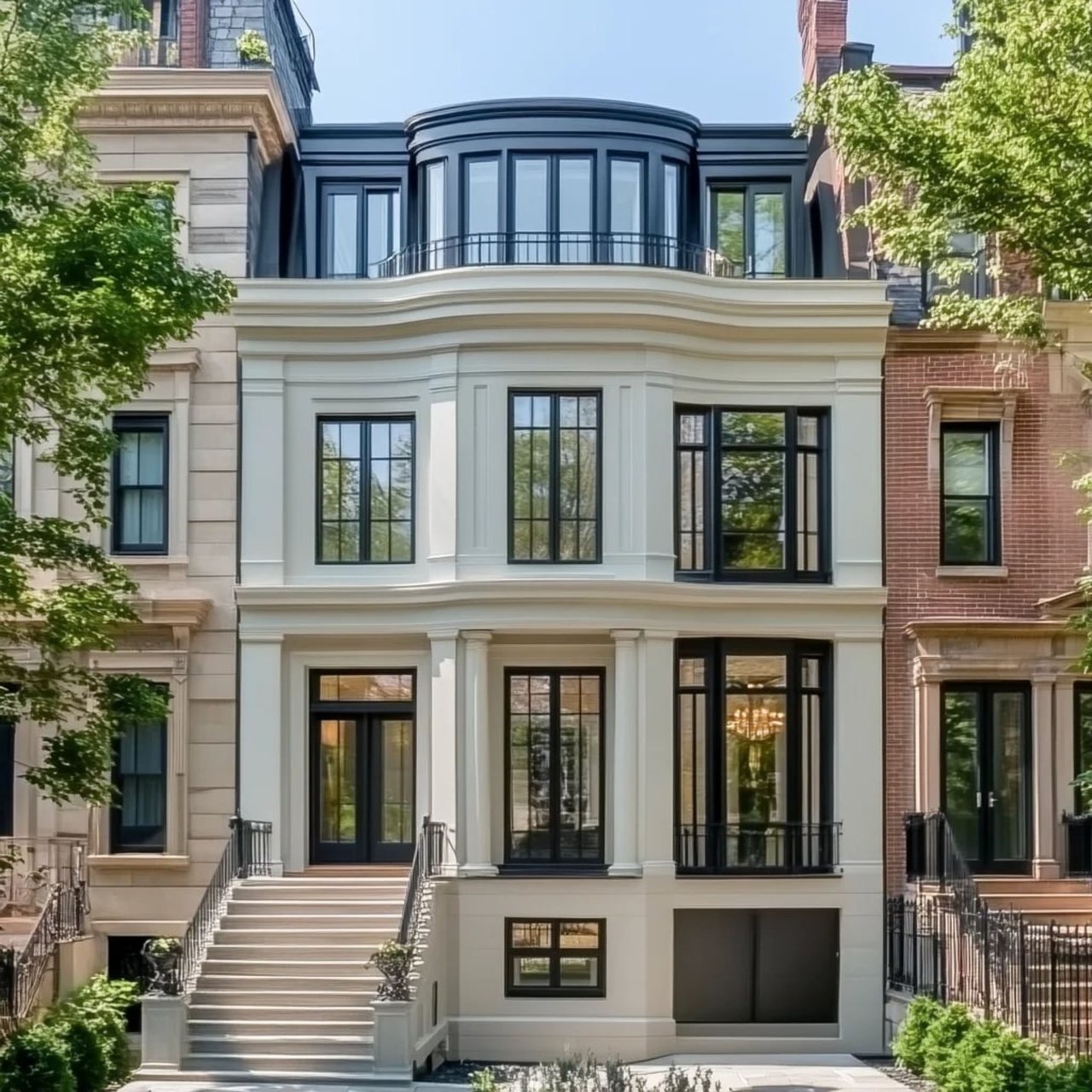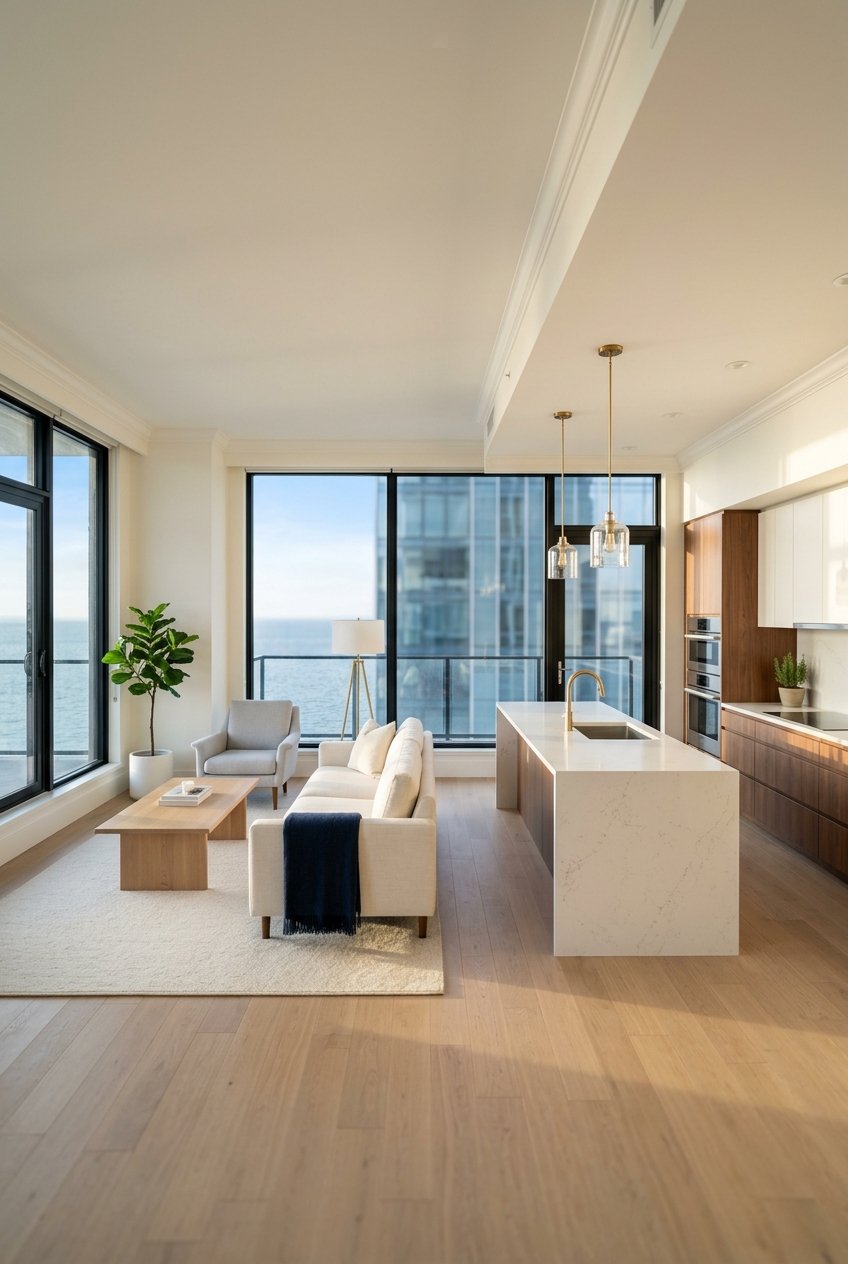
If you’ve been watching Boston luxury real estate, Seaport is hard to ignore. This waterfront district has grown into one of the city’s most distinct high-end condo markets, with eye-catching price points, polished full-service towers, and a wider spread between entry luxury and trophy residences than many buyers expect. Whether you’re thinking about buying, selling, or simply trying to understand what drives value here, this guide will help you read the Seaport market with more clarity. Let’s dive in.
Why Seaport Stands Apart
Seaport is not just another Boston luxury neighborhood. The Boston Planning Department describes the South Boston Waterfront and Innovation District as an area transformed from historic warehouses and industrial land into a creative, tech, and residential hub.
That evolution has been fast. From 2010 to 2020, the area’s population grew 195% and housing units grew 327%, according to the Boston Planning Department. In practical terms, that means many of Seaport’s homes sit within a newer, still-evolving urban waterfront environment rather than a long-established residential fabric.
For luxury buyers, that matters because the housing stock feels different from places like Back Bay. In Seaport, you are often weighing newer towers, modern amenities, harbor views, open space access, and building services as much as you are square footage alone.
The city’s harbor planning documents also make another point clear: transportation, open space, and climate resilience are part of the district’s long-term framework. That means Seaport luxury is tied not only to finishes and views, but also to the realities of waterfront planning and building-level resiliency.
Seaport Pricing in 2026
As of March 2026, Redfin reports a Seaport District median sale price of $2,977,500. That figure was up 26.7% year over year, which shows meaningful price strength at the top end of the Boston condo market.
At the same time, the market is not moving like a frenzy market. Redfin shows median days on market at 93 and a sale-to-list ratio of 94.1%, while MLS PIN’s Seaport condo review, updated April 16, 2026, shows 51 active listings and 10.20 months of supply.
MLS PIN also reports 173 units listed over the prior 12 months and 60 sold. Average active list price came in at $3,950,062, while average sale price was $3,048,438 and average sale price per square foot was $1,876.52.
For both buyers and sellers, the message is fairly straightforward. Seaport remains a premium market, but pricing discipline matters because there is enough inventory and enough product variation to give buyers options.
Why Averages Need Context
In Seaport, headline numbers can be useful, but they do not tell the whole story. The neighborhood’s active listings range from one-bedroom homes below $1.5 million to penthouses listed at $44.5 million.
That creates a very broad spread. Smaller one-bedrooms, larger water-view homes, and rare penthouses all influence average pricing, which means you should avoid using a single neighborhood-wide number as a shortcut for value.
This is especially important if you are selling. MLS PIN reported 37 price changes and an average sale price at 95.23% of list price, down from 97.64% in 2025, which suggests buyers are still active but less willing to chase aspirational pricing.
What Buyers Pay More For
In Seaport, not all luxury is priced equally. The largest premiums are generally attached to a specific package of features rather than square footage alone.
Key value drivers include:
- Harbor views
- Higher floors
- Private terraces or balconies
- Valet parking
- Full-service amenities
- Building prestige
- Rarer floor plans
Those factors can stack quickly. A home with multiple premium features may command a materially higher price per square foot than a similar-sized residence in the same neighborhood, or even in the same building.
Tower Condos Command a Premium
Seaport’s full-service tower market sits at the top of the neighborhood pricing ladder. Echelon Seaport offers a clear example.
A two-bedroom, two-and-a-half-bath home at 133 Seaport Boulevard is listed at $2,750,000 for 1,285 square feet, or about $2,140 per square foot. That residence is marketed with harbor views, a balcony, valet parking, and access to a resort-style pool, fitness center, club room, workspaces, and 24/7 concierge.
Within the same building, a rarer three-bedroom water-view terrace residence is listed at $4,950,000 for 1,957 square feet, or about $2,529 per square foot. The listing notes that there are only about 10 such terrace homes in the building, which helps explain the premium.
That pattern is common in Seaport towers. Scarcity inside the building itself can be just as important as the broader neighborhood market.
Trophy Homes Expand the Price Curve
The St. Regis Residences and 50 Liberty illustrate how sharply pricing can rise when rarity and service align. At 150 Seaport Boulevard, Unit 6D is listed at $3,949,995 for 1,752 square feet, or about $2,255 per square foot, with harbor views, 24/7 concierge, hospitality-style services, an infinity-edge pool, sauna, steam room, fitness center, and two valet spaces.
At the ultra-high end, the Grand Penthouse in the same building is listed at $44.5 million for 10,609 square feet, or about $4,197 per square foot. That is a dramatic jump, but it shows how the luxury curve widens for top-floor residences with exceptional scale and views.
50 Liberty remains another benchmark in this premium tier. A two-bedroom, two-and-a-half-bath residence sold in March 2026 for $3,205,000, or about $2,085 per square foot, after being listed at $3,500,000.
These examples reinforce a simple point: floor height, view lines, outdoor space, and brand prestige can materially shift value. In Seaport, two residences with similar bedroom counts can trade very differently depending on that combination.
Loft Product Follows Different Rules
Not every Seaport-area luxury purchase is a glass tower residence. Adaptive-reuse lofts in nearby Fort Point and Channel Center offer a different product type and a different pricing profile.
For example, 25 Channel Center Street #807 is a one-bedroom, one-and-a-half-bath duplex with 1,229 square feet, water views, 18-foot ceilings, and garage parking, listed at $1,229,000, or about $1,000 per square foot. A nearby loft at 355 Congress Street sold in May 2025 for $1,350,000, or roughly $1,207 per square foot.
That is a notable gap from Seaport’s top tower pricing. Redfin’s Fort Point Channel Historic District snapshot showed a median sale price of $924,000 and median days on market of 70, reinforcing the difference between adaptive-reuse loft homes and full-service waterfront towers.
For some buyers, that gap creates opportunity. If you value ceiling height, industrial character, and a more conversion-style layout over a long amenity list, loft product may offer a different kind of luxury experience.
Seaport vs Back Bay and Midtown
If you want to place Seaport in the broader Boston luxury landscape, Back Bay and Midtown are useful comparisons. According to MLS condo reports, Back Bay posted an average sale price of $2,252,771 and average sale price per square foot of $1,479, with 73 days on market.
Midtown showed an average sale price of $2,451,230 and the same average sale price per square foot of $1,479, with 84 days on market. Seaport, by contrast, came in higher at an average sale price of $3,048,438 and $1,876 per square foot, but with a slower pace at 110 days on market and 10.20 months of supply.
Redfin’s neighborhood pages tell a similar story on the median side. In March 2026, Seaport’s median sale price was about $2.978 million versus $1.434 million in Back Bay.
That does not automatically make Seaport “better” or “worse.” It simply highlights that buyers are paying a premium for a specific lifestyle package that includes newer construction, waterfront positioning, and hospitality-style amenities, while also navigating a market that can take longer to absorb inventory.
What Buyers Should Watch Closely
If you are buying in Seaport, you should look beyond the headline finish package. In this market, small differences in orientation, view corridor, floor level, and outdoor space can have a major impact on both price and future resale positioning.
It also helps to evaluate each building on its own terms. A residence in a full-service tower with valet parking, concierge coverage, and resort-style amenities lives in a different pricing ecosystem than a loft conversion a few blocks away.
The city’s harbor-plan framework also makes building-level resiliency worth reviewing during due diligence. In a waterfront district, flood mitigation and the placement of key building systems are part of the property story.
What Sellers Need to Know
If you are selling a Seaport luxury condo, neighborhood-wide averages are only a starting point. Your best pricing strategy should come from building-specific and line-specific comparisons whenever possible.
That is especially true in a market with 10.20 months of supply and dozens of recent price changes. Buyers in this segment are well-informed, and they tend to compare your home not just to the neighborhood, but to direct alternatives within the same building or peer set.
Presentation still matters, of course, but pricing is what sets the launch. In a market where the average sale-to-list ratio has softened, overreaching on the initial ask can lead to more time on market and a weaker negotiating position.
The Bottom Line on Seaport Luxury
Seaport has matured into one of Boston’s most expensive and specialized condo markets, but it is not a one-note story. It is a neighborhood where building type, services, views, floor level, and rarity can create substantial value gaps from one home to the next.
For buyers, that means the smartest moves come from understanding the building first and the neighborhood second. For sellers, it means success depends on precise positioning, strong presentation, and a launch strategy grounded in the right comparable sales.
If you’re considering a purchase or sale in Seaport, working with an advisor who understands Boston’s luxury submarkets at a building-by-building level can make the process far more strategic. For a confidential consultation or a tailored valuation, connect with Beth Dickerson.
FAQs
What is the typical price range for Seaport luxury condos?
- Seaport listings currently span a wide range, from one-bedroom homes below $1.5 million to penthouses listed at $44.5 million, with March 2026 median sale pricing around $2,977,500.
Why are some Seaport condos much more expensive than others?
- Pricing often rises based on harbor views, higher floors, terraces, valet parking, full-service amenities, building prestige, and the rarity of the floor plan.
How does the Seaport condo market compare with Back Bay?
- Seaport currently shows higher average sale prices and higher average price per square foot than Back Bay, but it is also moving more slowly, with more supply and longer average market time.
Are Seaport lofts priced like waterfront tower condos?
- No. Adaptive-reuse lofts in nearby Fort Point and Channel Center generally trade at lower price-per-square-foot levels than Seaport’s full-service waterfront towers.
What should sellers focus on in the Seaport luxury market?
- Sellers should focus on building-specific comparable sales, accurate launch pricing, and the exact features that differentiate their residence, such as view, floor height, outdoor space, and services.
What should buyers review when evaluating a Seaport building?
- Buyers should compare building amenities, service levels, parking, floor plan rarity, view orientation, and building-level resiliency features as part of their due diligence.