This well-heeled neighborhood sits at the heart of history, but its streets exude all the charm of now, writes Andrew Sessa
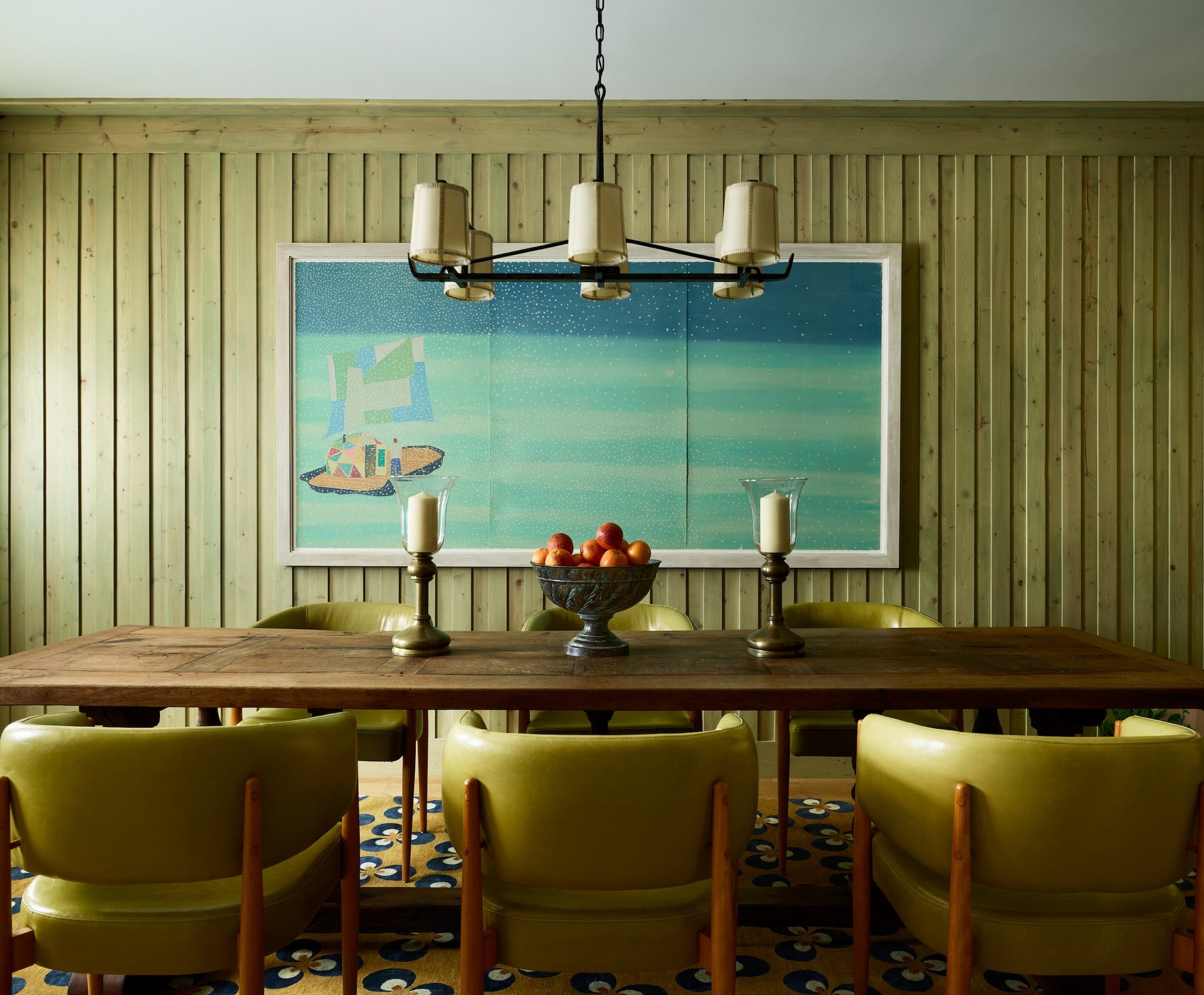
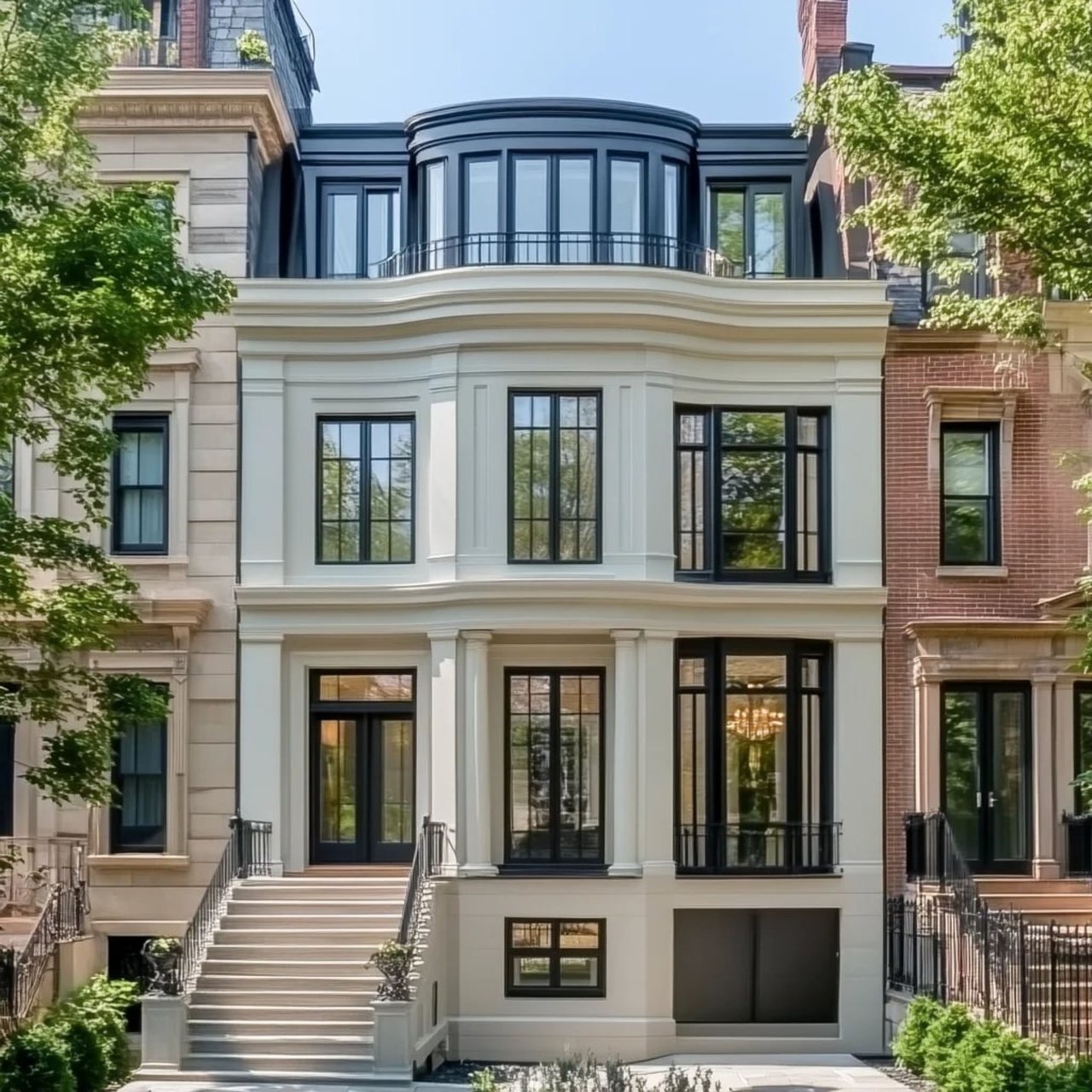
A Beacon Hill home remodeled by local interior designer Nina Farmer. Photograph: Jared Kuzia
As America celebrates its milestone 250th anniversary, the revolutionary spirit that has long defined Boston revs up. The coastal New England city played an outsized role in the young nation’s fight for freedom, and today that independent streak lives on. Boston’s postcard-perfect neighborhoods may seem trapped in amber, but innovation thrives on centuries-old streets. Nowhere better captures this time-hopping magic than Beacon Hill, one of downtown Boston’s oldest and most affluent areas.
“It’s a museum in its own right,” says longtime resident Thomas Kershaw, owner of Beacon Hill’s historic Hampshire House and its subterranean English-style pub, which inspired the television series “Cheers.” Kershaw also sits on the board of Sail Boston, which organized the harbor regatta of tall ships in early July as part of the America 250 celebrations. “Walking down the street, you feel it’s 200 years ago.”
At the same time, Beacon Hill is no relic of the past.
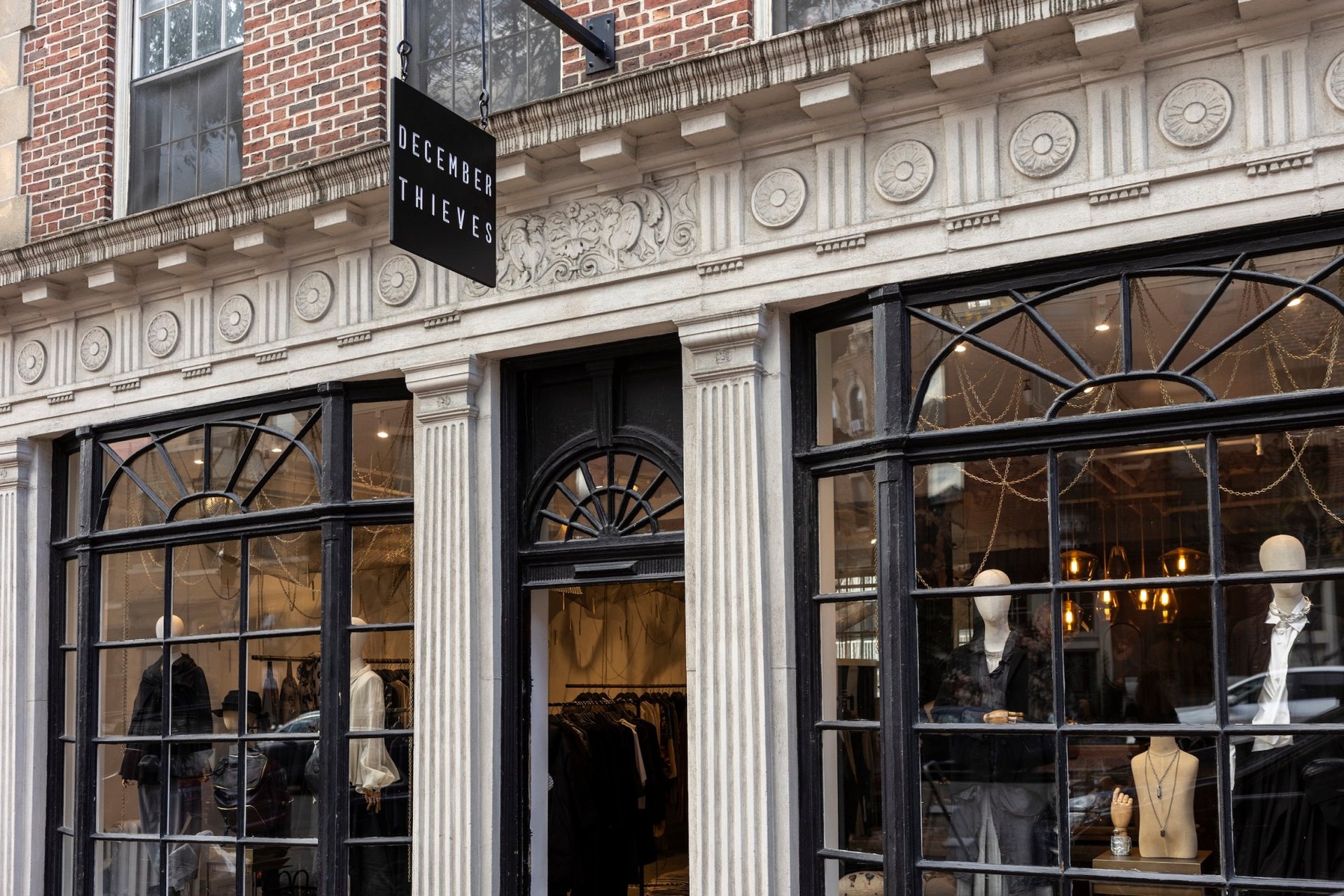
Independent womenswear store December Thieves, founded in 2013. Photograph: Somerby Jones
Lana Barakat—whose womenswear boutique December Thieves curates a selection of bespoke makers—points to an “influx of innovative stores and restaurants” boosting the area’s diversity and appeal. Architect and interior designer Lisa Miao, meanwhile, who lives on one of the neighborhood’s most picturesque squares, says: “It was the original heart of the city in many ways,” and, she adds, remains “a true sweet little village unto itself.”
This village-within-a-village rises between the Charles River and two adjacent green spaces: Boston Common, which is the country’s oldest public park, and the Frederick Law Olmsted-designed Public Garden, where visitors flock to ride swan-shaped boats on the pond and see bronze sculptures inspired by classic U.S. children’s book “Make Way for Ducklings.”
The Common is an ideal starting point for walking the Freedom Trail, a redbrick route connecting prominent revolutionary-era sites, and the city’s history of public and political action continues there in a recently unveiled monument, “The Embrace,” by Hank Willis Thomas. It honors Martin Luther King Jr., who led a 1965 civil rights march that concluded with a speech delivered to 20,000 at the Common’s bandstand.
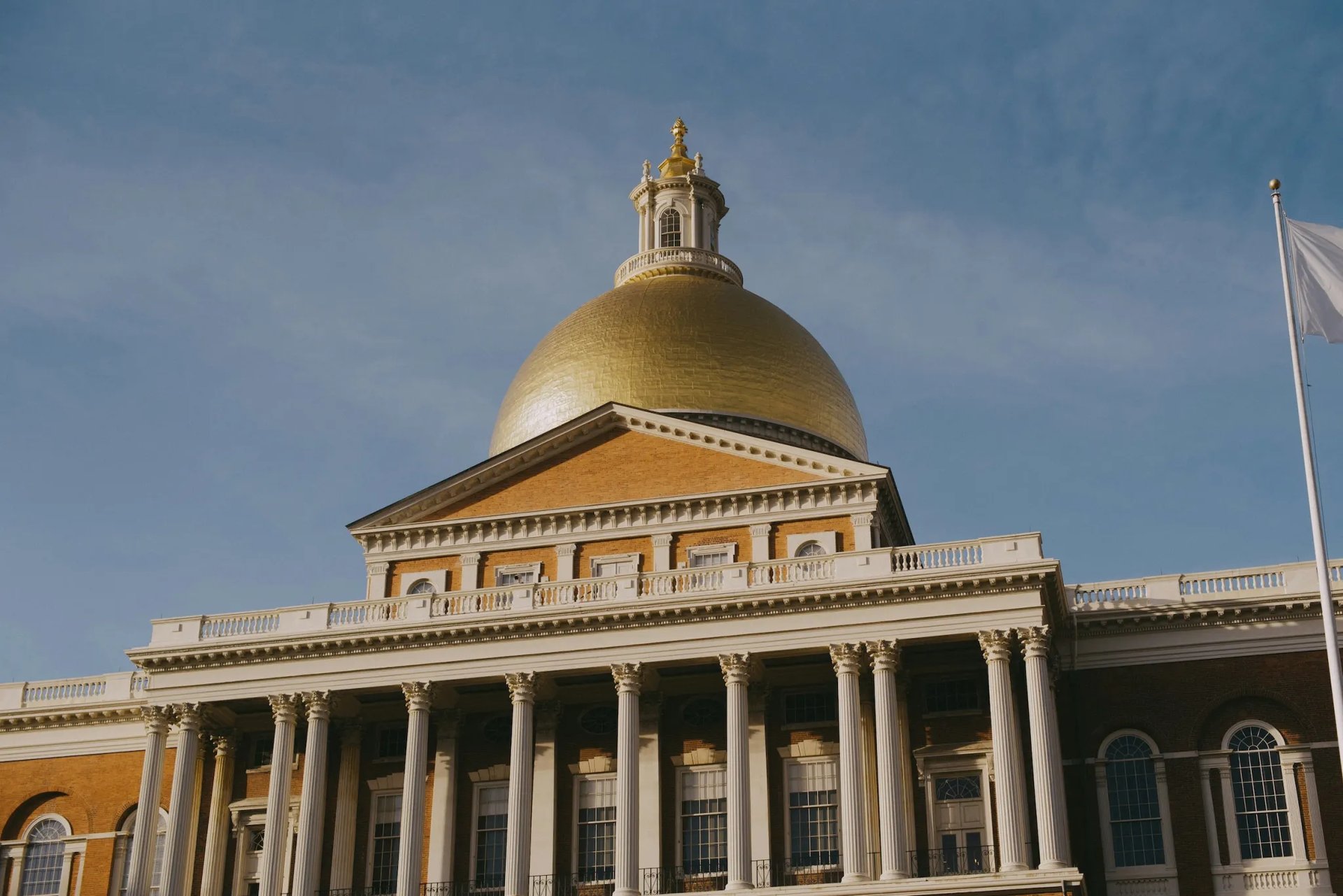
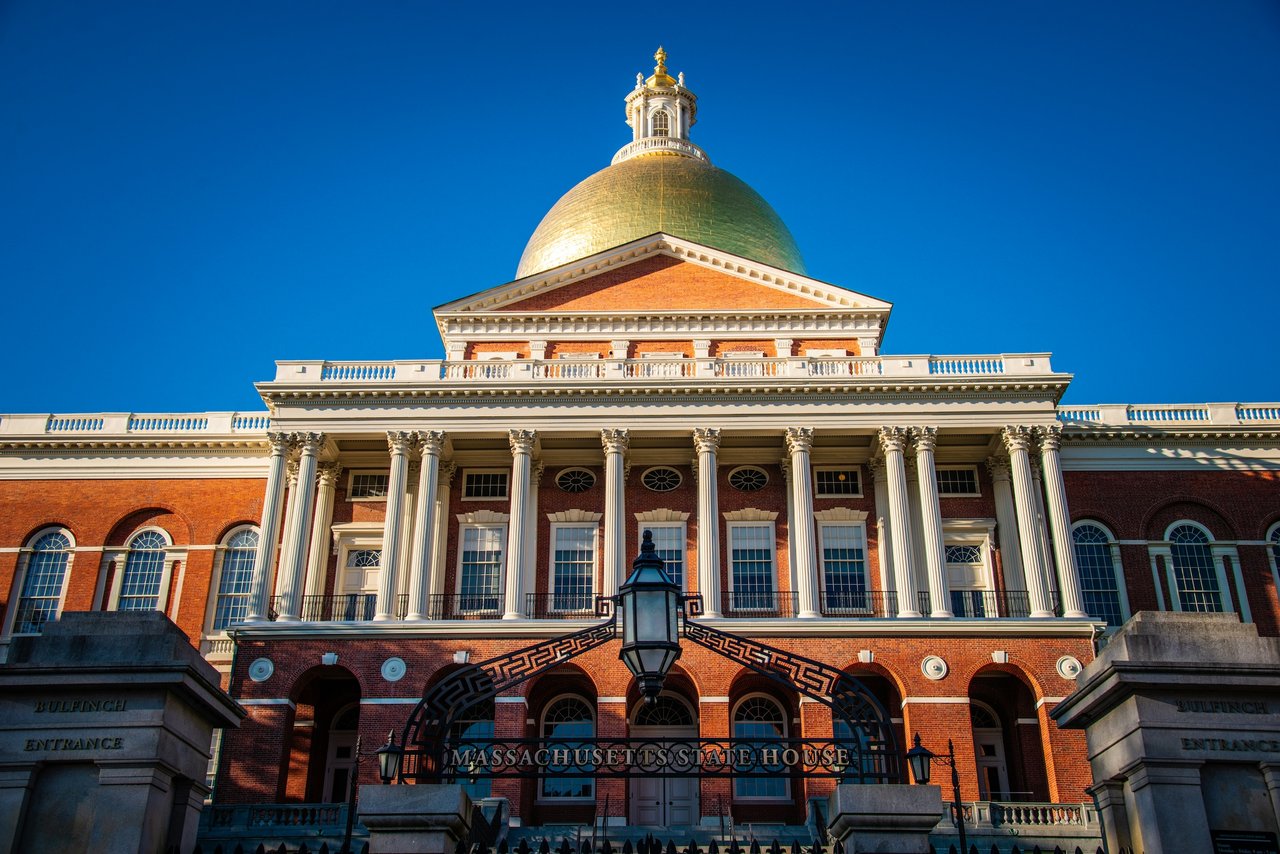
The gleaming dome of the Massachusetts State House. Photograph: Aubrey Odom
Much of the Beacon Hill we see today dates from the end of the 18th century. That’s when prominent Bostonians began commissioning Federal and Greek Revival mansions west of the just-completed gold-domed State House. This uppermost crust of local society came to be known as “Boston Brahmins,” thanks to humorist Oliver Wendell Holmes, an “old money” stereotype that persists, bolstered by the area’s high property values—and the preppy appearance of its residents.
While many of these aristocratic abodes remain private homes—sensitively remodeled by architects and designers for contemporary living—several live on as immersive museums. William Hickling Prescott House reveals the lives of three families of wealthy residents, while the Nichols House Museum focuses on suffragist, pacifist and noted garden designer Rose Standish Nichols.
Gilded Age socialite and collector Isabella Stewart Gardner built her eponymous must-visit museum a couple of miles west, but she was a loyal parishioner at Beacon Hill’s Church of the Advent, to which she donated an intricately carved limestone altarpiece that impresses churchgoers to this day.
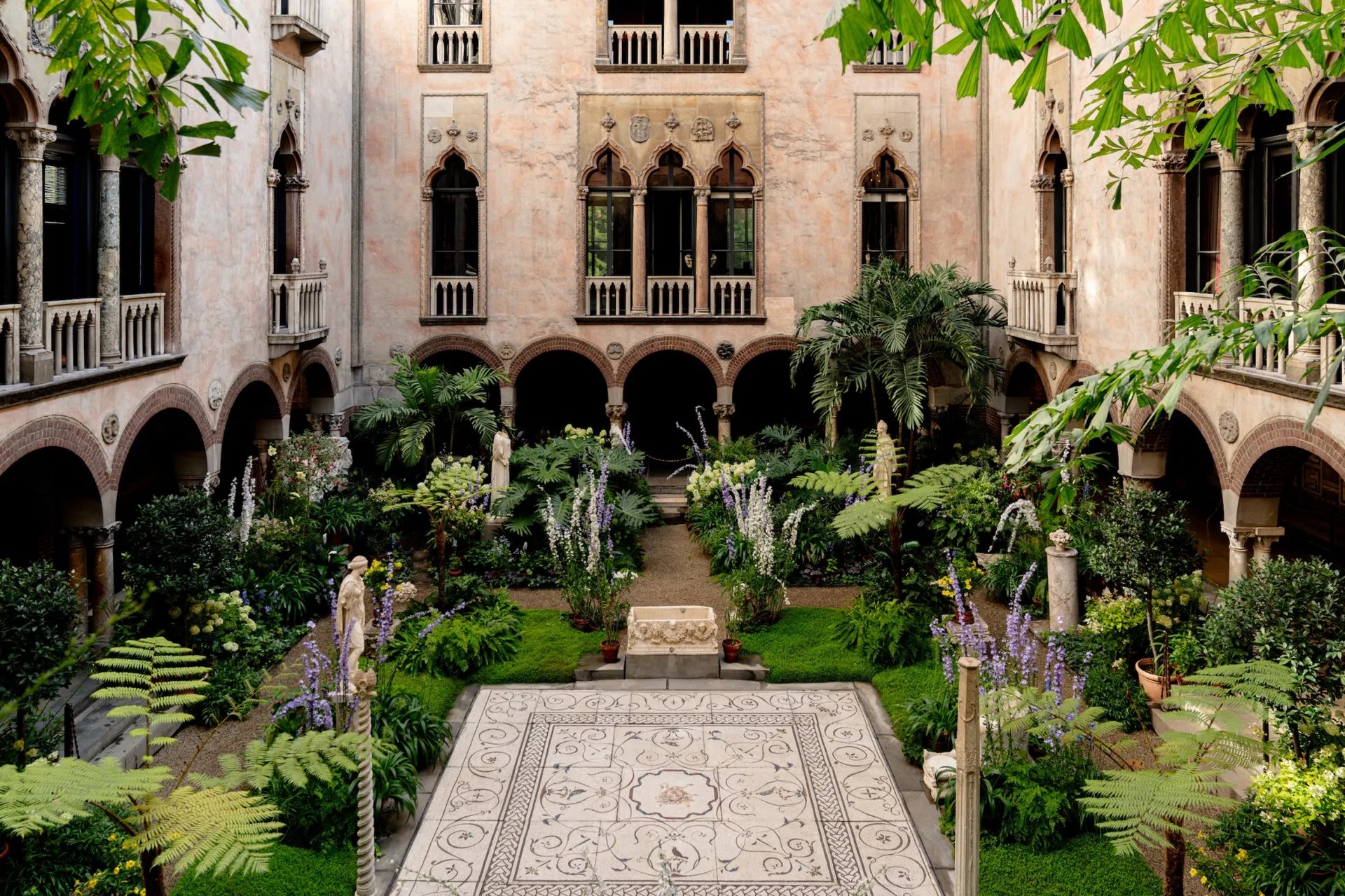
Isabella Stewart Gardner’s famed museum courtyard in neighboring Fenway. Photograph: Troy Wade
Across the street from the State House, the neoclassical edifice of the 220-year-old Boston Athenaeum houses some 700,000-plus literary, historical and artistic wonders, including volumes from George Washington’s personal library that figure in its current America 250 exhibition, “Imagined Nation.”
On the north slope of the hill, the Museum of African American History comprises the Abiel Smith School and African Meeting House. Both played pivotal roles in the lives of Boston’s Black communities and their fight for freedom. “National calls to action around abolition and human rights for African Americans are embedded in our buildings,” says Noelle Trent, museum president and CEO. “Every visitor has the opportunity to walk in the footsteps of history.”
“Beacon Hill is steeped in history and politics,” agrees Claire Cronin, a former U.S. ambassador to Ireland who spent 10 years in the State House as a Massachusetts state representative. While politicos can readily be found at nearby watering holes such as Emmets, Roxanne’s and the aptly named 21st Amendment, Cronin suggests the family-owned Capital Coffee House to start the day, and a pint of Guinness at The Dubliner to finish it.
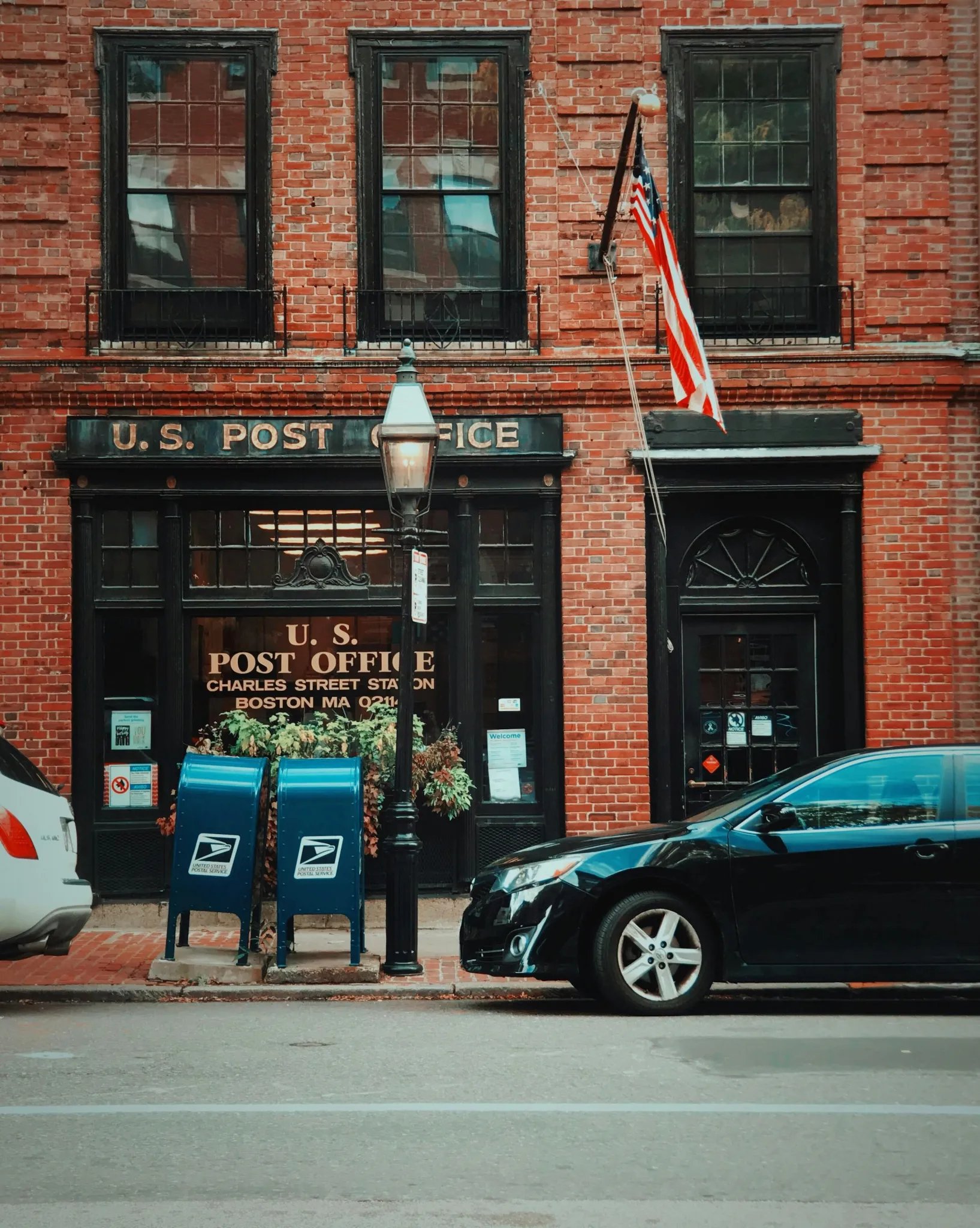
”You feel it’s 200 years ago.” The classic red brick of Beacon Hill’s townhouses. Photograph: Supplied
Heading west, marvel at Louisburg Square’s oval of picturesque brick townhouses and browse the beautiful blooms at Rouvalis Flowers & Gardens. The nearby and impossibly narrow Acorn Street may well be the most photographed in Boston. A couple of blocks west lies Charles Street, Beacon Hill’s main thoroughfare, though you’ll find very few big brands here.
Instead, it has “the sort of scaled-down feel that makes places feel human,” says interior designer Margaret Nubuor, a relatively recent Beacon Hill arrival. She’s enthusiastic about the new generation of affluent, family-minded owners who have come to the neighborhood. “It’s definitely gotten younger and more varied. I see more strollers these days!”
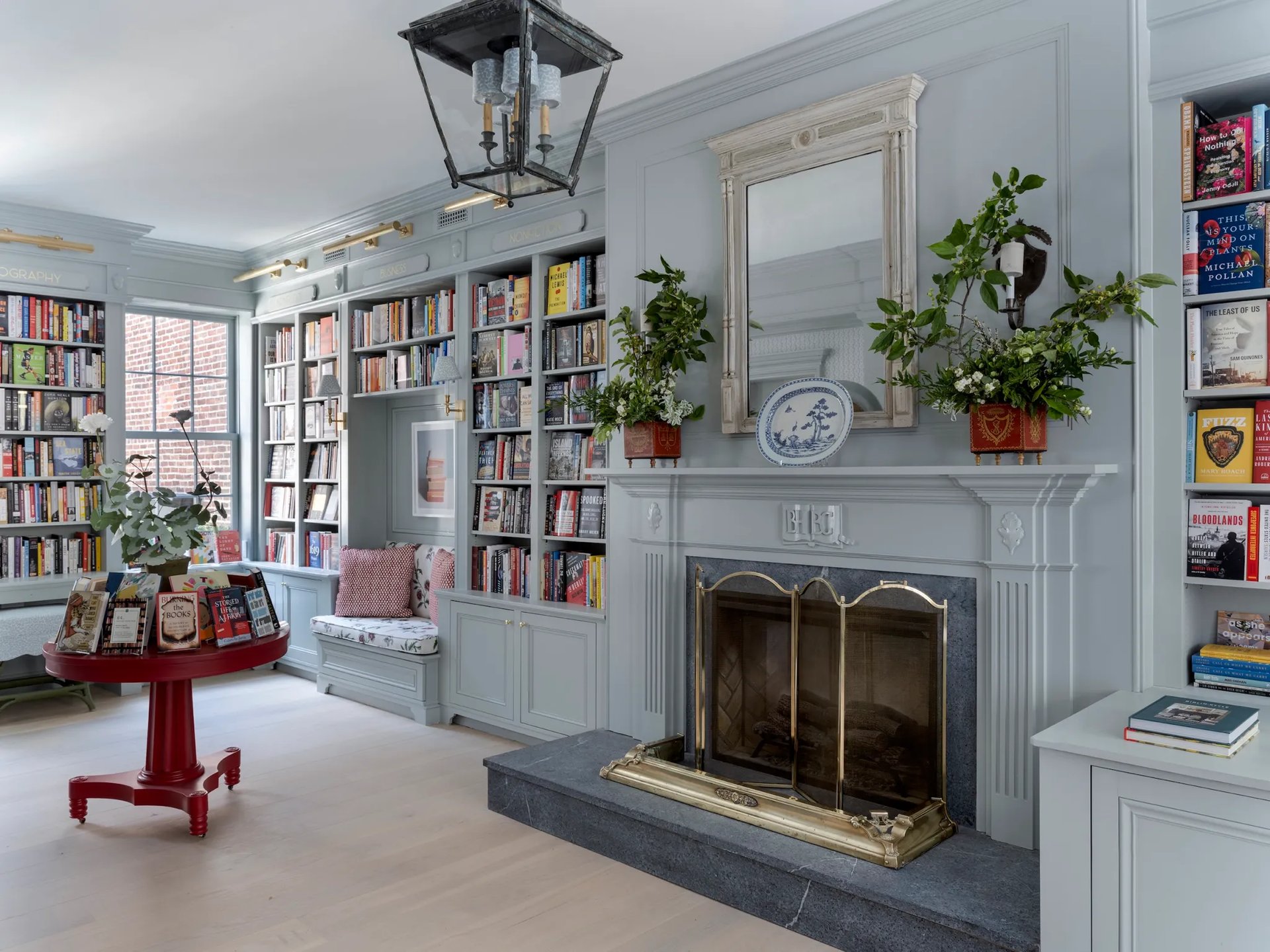
Genteel decor and inviting shelves at Beacon Hill Books & Cafe. Photograph: Beacon Hill Books & Cafe
On Charles Street, the small storefronts of boutiques such as French + Italian and Dress Boston occupy rowhouses. Recent menswear arrival Keezer’s specializes in vintage high-end pieces and expert tailoring, while Beacon Hill Books & Cafe combines carefully curated volumes and a quirky aesthetic of pale-blue prints and patterns—you’ll often find a line out the door.
The same is true of Tatte, a Parisian-meets-Levantine cafe whose pastries, tartines, shakshukas and pitas take the proverbial cake. In the evenings, even the most sophisticated don’t mind stopping for a beer and hotdog at The Sevens pub.
For more formal fare, well-heeled locals love the old-world setting and Tuscan-focused dishes of long-standing trattoria Toscano. Newcomer Zurito, meanwhile, has brought Basque-style pintxos to Beacon Hill. Its star sommelier, Nader Asgari-Tari, couldn’t imagine a better spot, noting: “There’s a spark to this neighborhood that’s difficult to replicate.”
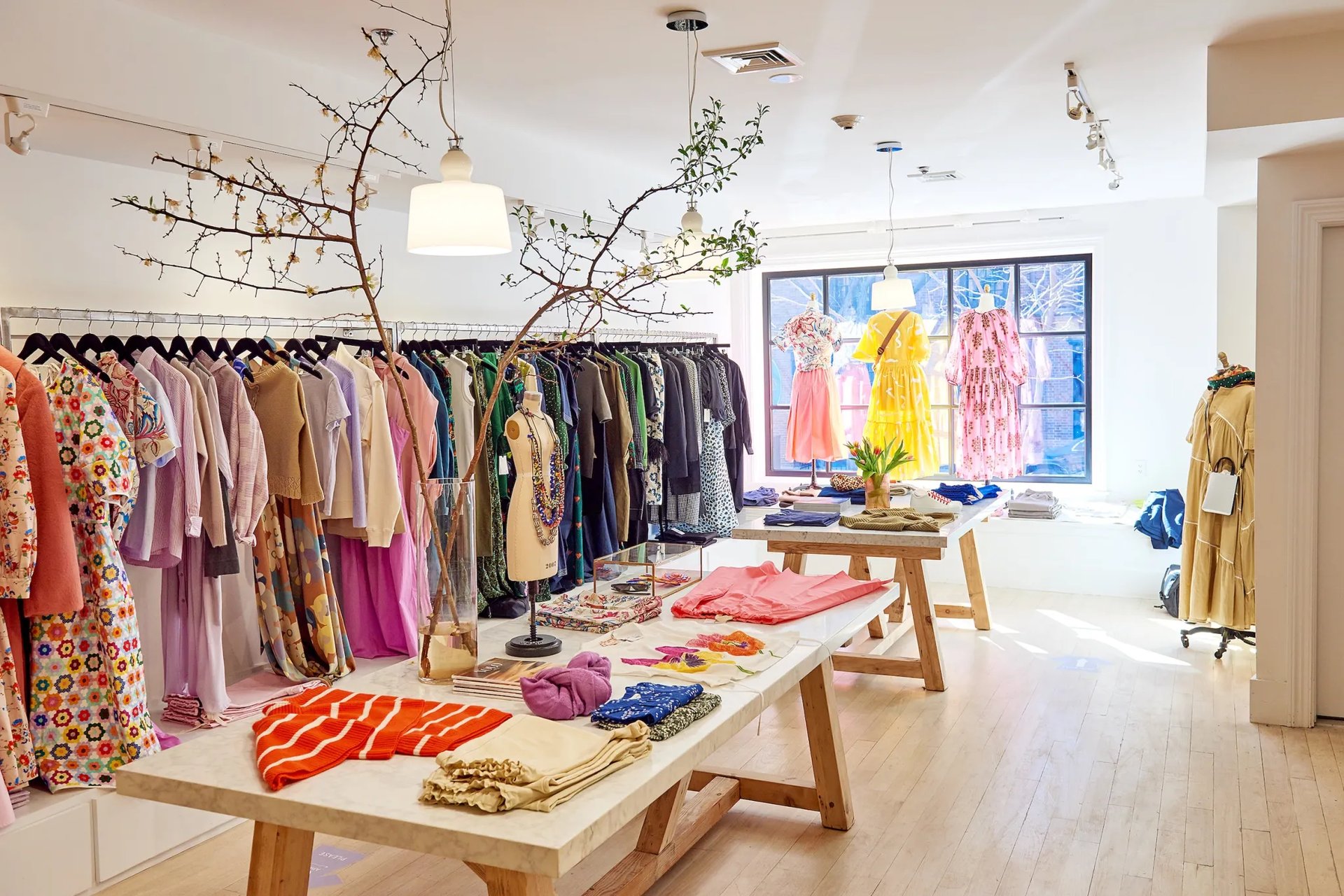
Luxury clothing store French + Italian, one of several luxury boutiques on Charles Street. Photograph: French + Italian
As for hotels, the 65 stylish rooms of the Michelin-approved Whitney opened in 2019, spanning a 1909 brick building and contemporary addition. The hotel sits mere yards from the Charles River and its wide esplanade of parks and pathways, plus beer gardens, boat rental and a bandshell where the Boston Pops orchestra plays a free alfresco concert every Fourth of July.
And a few blocks down from the Whitney, the art-filled 14-room Beacon Hill Hotel—which unveiled a top-to-bottom redo as recently as 2023—is currently undergoing further upgrades, including a reimagined restaurant and bar. That sort of frequent reinvention is exactly what defines Boston, and especially Beacon Hill, today. “Every year [it] seems to get better and better,” concludes December Thieves founder Barakat. “Everyone here is doing something unique and different.”