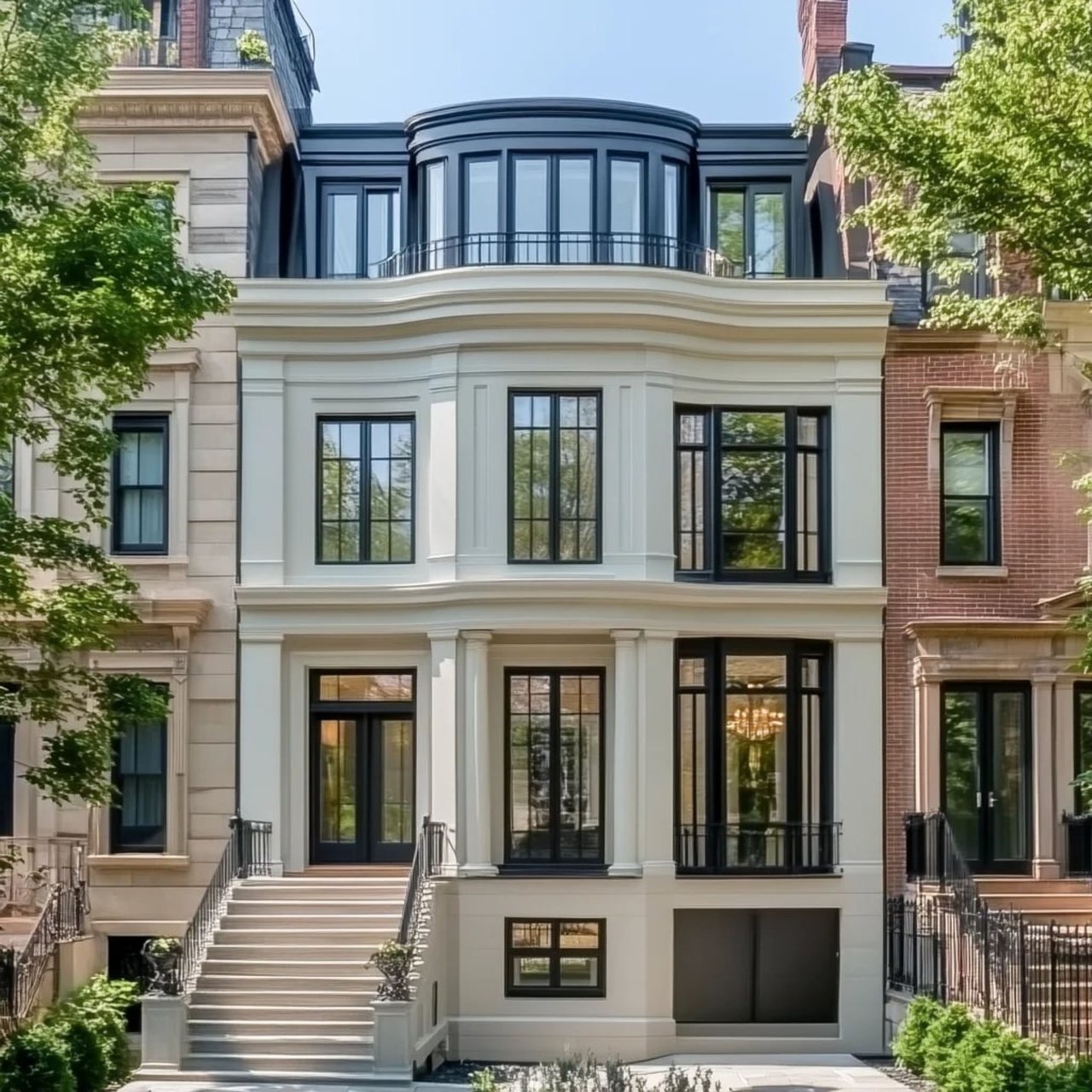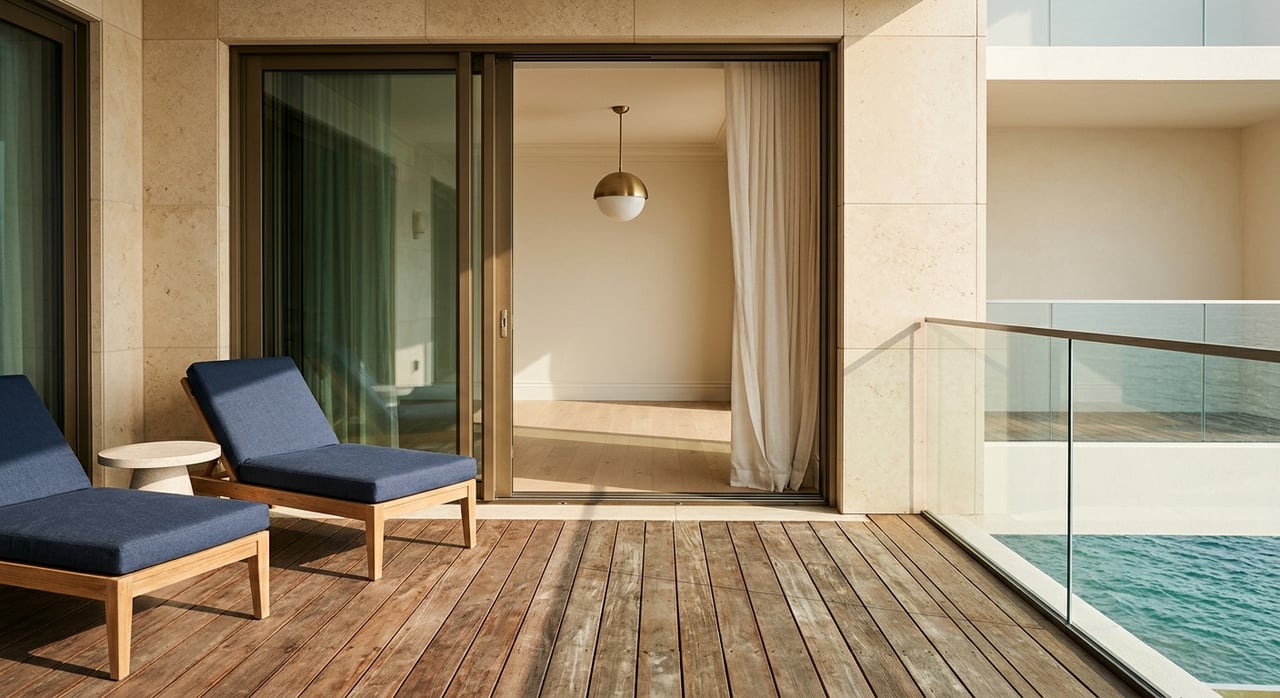
Craving a home where the harbor is part of your everyday routine? Boston’s waterfront offers exactly that: a downtown lifestyle shaped by historic wharves, modern residences, ferries, museums, and public access along the shoreline. If you are considering harborfront living, this guide will help you understand what daily life feels like, how the area connects to the rest of Boston, and why this stretch of the city continues to stand apart. Let’s dive in.
What Defines Boston’s Waterfront
Boston’s waterfront is not just one short strip of shoreline. In practice, it is often understood through the Wharf District and nearby Seaport and Fort Point edges, where historic harbor infrastructure and contemporary city living meet. According to the City of Boston’s Wharf District overview, the district includes places such as Long Wharf, Central Wharf, India Wharf, Rowes Wharf, Russia Wharf, and parcels along the Rose Kennedy Greenway.
What makes the area especially compelling is its layered character. You are not choosing between old Boston and new Boston here. Instead, you get both at once: historic wharves, residential buildings, cultural destinations, transportation links, and daily urban activity all sharing the same harbor edge.
Harborwalk Shapes Daily Life
One of the biggest advantages of waterfront living is direct access to the Boston Harborwalk. Boston Harbor Now describes it as a near-continuous 43-mile linear park along the shoreline that connects waterfront neighborhoods to Boston Harbor and to one another. It also links to more than forty parks, a dozen museums, seven beaches, and hundreds of restaurants and stores.
For residents, that means the waterfront feels unusually open for such a central location. The Harborwalk creates room to move, pause, and experience the harbor in a way that feels public and connected rather than closed off. The Wharf District Council also notes that this waterfront edge includes amenities such as public lobbies, restrooms, and viewing decks, reinforcing everyday usability.
The Harborwalk also helps the waterfront feel integrated with the rest of downtown. As Boston Harbor Now explains, it ties into inland landmarks and paths such as the Rose Kennedy Greenway and the Freedom Trail. If you want a neighborhood that feels tied into Boston rather than separate from it, that connectivity matters.
Transit Is Part of the Appeal
Many buyers ask whether you can live well on the waterfront without relying heavily on a car. Based on the transportation options in the area, the answer is often yes. The New England Aquarium’s visitor information notes that the Blue Line’s Aquarium stop is about 100 yards away, with Orange, Green, and Red Line connections also within an easy walk.
That same location also highlights how maritime transportation is woven into daily life here. Commuter boat services from Hull, Hingham, and Logan Airport land directly beside the Aquarium, along with the Salem Ferry and the Winthrop Ferry. This is one of the few parts of Boston where ferries are not just scenic extras, but part of the transportation fabric.
For frequent travelers, access to Logan can be especially attractive. Massport’s water transportation page describes year-round ferry service between Logan’s Water Transportation Dock and Long Wharf, Hull, and Hingham, plus seasonal service to Winthrop and Quincy and on-demand water taxi service throughout Boston Harbor. That level of waterfront mobility gives the neighborhood a distinctly maritime rhythm.
Maritime Character Goes Beyond Views
Beautiful water views matter, of course, but they are only part of what creates the waterfront lifestyle. The area’s maritime feel comes from constant visual and functional reminders that the harbor is active. Ferries arrive and depart, harbor cruises operate nearby, and the working shoreline remains part of the setting.
That atmosphere extends beyond transportation. Long Wharf North serves as a gateway to ferries for the Boston Harbor Islands, a national park area made up of 34 islands and peninsulas. Public ferries operate from May through October, which adds another layer of seasonal recreation and access for residents who want the harbor to be part of how they spend their free time.
Culture Sits Right on the Water
Living on Boston’s waterfront places you close to some of the city’s most recognizable cultural destinations. The New England Aquarium anchors Central Wharf, while the Institute of Contemporary Art is located on Boston Harbor in the Seaport. Combined with Harborwalk access, that gives the neighborhood a strong cultural dimension that is woven into the shoreline itself.
The Wharf District Council also describes the area as a place with walking tours, artisan markets, cultural events, and other public programming. In practical terms, that means you can expect a neighborhood that feels active and visible, with regular reasons to step outside and engage with the waterfront beyond a simple stroll.
For many luxury buyers, this is a major draw. You are not just buying proximity to downtown offices or a convenient pied-à-terre. You are also buying into a waterfront setting where museums, public spaces, and harbor activity help shape the cadence of daily life.
Dining and Entertainment Feel Experiential
Waterfront dining tends to feel more experiential than routine. That is part of the area’s appeal. You are often choosing a setting shaped by the harbor itself, whether that means views, departures, promenades, or seasonal events happening nearby.
The Aquarium’s summer programming includes a Dockside Beer Garden on Central Wharf and daily whale watch excursions, while City Cruises departs from Commonwealth Pier for harbor dinner cruises. The same source notes that Boston Duck Tours departs hourly from Central Wharf during summer, underscoring how neighborhood life and visitor activity overlap along the shoreline.
If you are drawn to energy, activity, and a sense of place, that overlap may feel exciting. If you prefer a quieter urban experience, it is worth understanding that the waterfront is one of Boston’s most active and visible destinations, particularly in warmer months.
Seasons Change the Waterfront Experience
Boston’s waterfront is active year-round, but it does not feel the same in every season. Summer is the most outward-facing period, with harbor cruises, whale watches, island ferries, and stronger visitor traffic shaping the atmosphere. The public realm feels especially animated during these months.
Winter brings a different tone. According to the National Park Service’s climate overview for Boston Harbor Islands, the harbor has a humid maritime climate with clear summer and winter seasons, average harbor water temperatures of about 39°F in winter and 68°F in summer, and a frost-free period that generally runs from mid-May to November. That maritime climate can make winter feel windier and quieter along the water.
Even so, the neighborhood does not go dormant. The Aquarium has participated in winter public art programming on Central Wharf Plaza, showing that the district remains active beyond peak tourist season. For full-time residents, this seasonal contrast is part of the waterfront’s charm.
Does It Feel Like a Real Neighborhood?
This is one of the most common questions buyers ask, and it is a fair one. Boston’s waterfront is home to major attractions and transportation infrastructure, so it naturally draws visitors. At the same time, it also supports a growing residential identity.
The City of Boston and the Wharf District Council both frame the area as more than a visitor zone. It is a historic port neighborhood that continues to function as a residential community, economic center, and transportation hub. In other words, if you live here, you are part of a district with its own identity, not just a backdrop for tourism.
That balance is part of what makes harborfront living distinctive. You can step into public energy when you want it, then return home to a residential setting that remains tied to the city’s history and daily rhythms.
Who Harborfront Living Suits Best
Waterfront living tends to appeal to buyers who want a polished urban lifestyle with strong visual impact and excellent connectivity. It can be a compelling fit if you value:
- Direct access to the harbor and public waterfront paths
- Easy connections to downtown Boston and transit
- Ferry access, including Logan connections
- Proximity to museums, dining, and seasonal programming
- A home base that feels both cosmopolitan and distinctly Boston
For many luxury condo buyers, the waterfront also offers the turnkey convenience they want in an urban residence. The setting feels elevated and destination-driven, yet it remains highly practical for commuting, entertaining, and everyday movement through the city.
Why Location Knowledge Matters
Not every waterfront address offers the same living experience. Some residences lean more historic in feel, while others align more closely with contemporary full-service condo living. Some are closely tied to Wharf District character, while others feel more connected to Seaport activity or the downtown core.
That is why neighborhood-level guidance matters, especially in a market where building style, orientation, access, and daily atmosphere can vary meaningfully from one section of the harborfront to another. If you are buying or selling in this part of Boston, informed positioning is essential.
If you are considering a move on Boston’s waterfront, working with a trusted local advisor can help you evaluate not just the property, but the lifestyle that comes with it. For tailored guidance on luxury waterfront residences, market positioning, or a discreet home sale strategy, connect with Beth Dickerson.
FAQs
What is included in Boston’s waterfront area?
- Boston’s waterfront is often understood through the Wharf District and nearby Seaport and Fort Point areas, including places like Long Wharf, Central Wharf, India Wharf, and Rowes Wharf, according to the City of Boston.
Can you live on Boston’s waterfront without a car?
- Yes, many residents can live very comfortably with limited car use because the area has Blue Line access, walkable connections to other subway lines, and nearby commuter boat and ferry service.
What makes Boston waterfront living feel maritime?
- The maritime feel comes from more than water views. Ferries, water taxis, harbor cruises, island access, public shoreline paths, and the working harbor backdrop all help define daily life.
Is Boston’s waterfront active year-round?
- Yes, but the experience shifts by season. Summer brings more cruises, ferry activity, and outdoor programming, while winter tends to be quieter and more centered on museums, indoor destinations, and seasonal public art.
Does Boston’s waterfront feel like a neighborhood or a destination?
- It is both. The area includes major attractions and transportation hubs, but it is also recognized by the City of Boston and the Wharf District Council as a residential community with its own identity.
What lifestyle does Boston harborfront living offer?
- Harborfront living offers a downtown Boston lifestyle with waterfront access, cultural destinations, transit convenience, seasonal activity, and a strong connection to the city’s historic shoreline.