If your idea of luxury includes salt air, historic architecture, and a shoreline town that still keeps Boston within reach, Swampscott deserves a closer look. For many buyers, the appeal is not just a beautiful home, but a lifestyle that feels more private, more grounded, and more connected to the coast. In this guide, you’ll see what defines coastal luxury living in Swampscott, what makes the housing stock distinct, and why this North Shore town continues to draw attention in a competitive market. Let’s dive in.
Why Swampscott Feels Distinct
Swampscott sits about 15 miles northeast of Boston, but its identity feels very different from the city. The town has a population of 15,658 and a resort-era history that grew out of a seafaring fishing village, summer visitors, and grand shoreline homes. That legacy still shapes how luxury is experienced here today.
Instead of a high-rise skyline or an urban penthouse feel, Swampscott offers a more residential version of luxury. You’ll find water views, established streetscapes, and a setting where historic character plays a central role. For buyers who value privacy, architecture, and everyday access to the coast, that combination stands out.
Coastal Living Shapes Daily Life
In Swampscott, the waterfront is not just scenery. It is part of daily life. The town lists six public beaches, and each has its own use patterns and seasonal access considerations.
Fisherman’s Beach is especially notable because it supports boating and swimming and includes a pier, launching ramp, and town sailing programs. The area also offers views of Massachusetts Bay, the Nahant peninsula, and even the Boston skyline. That kind of coastal access helps define the local lifestyle.
Other beaches, including Phillips and Eisman’s, offer guarded swimming during the season. Some lots require recreational parking stickers, which shows how the town manages access around these popular shoreline areas. For you as a buyer, that means the waterfront is both a visual asset and a lived amenity.
Luxury Here Is Architectural
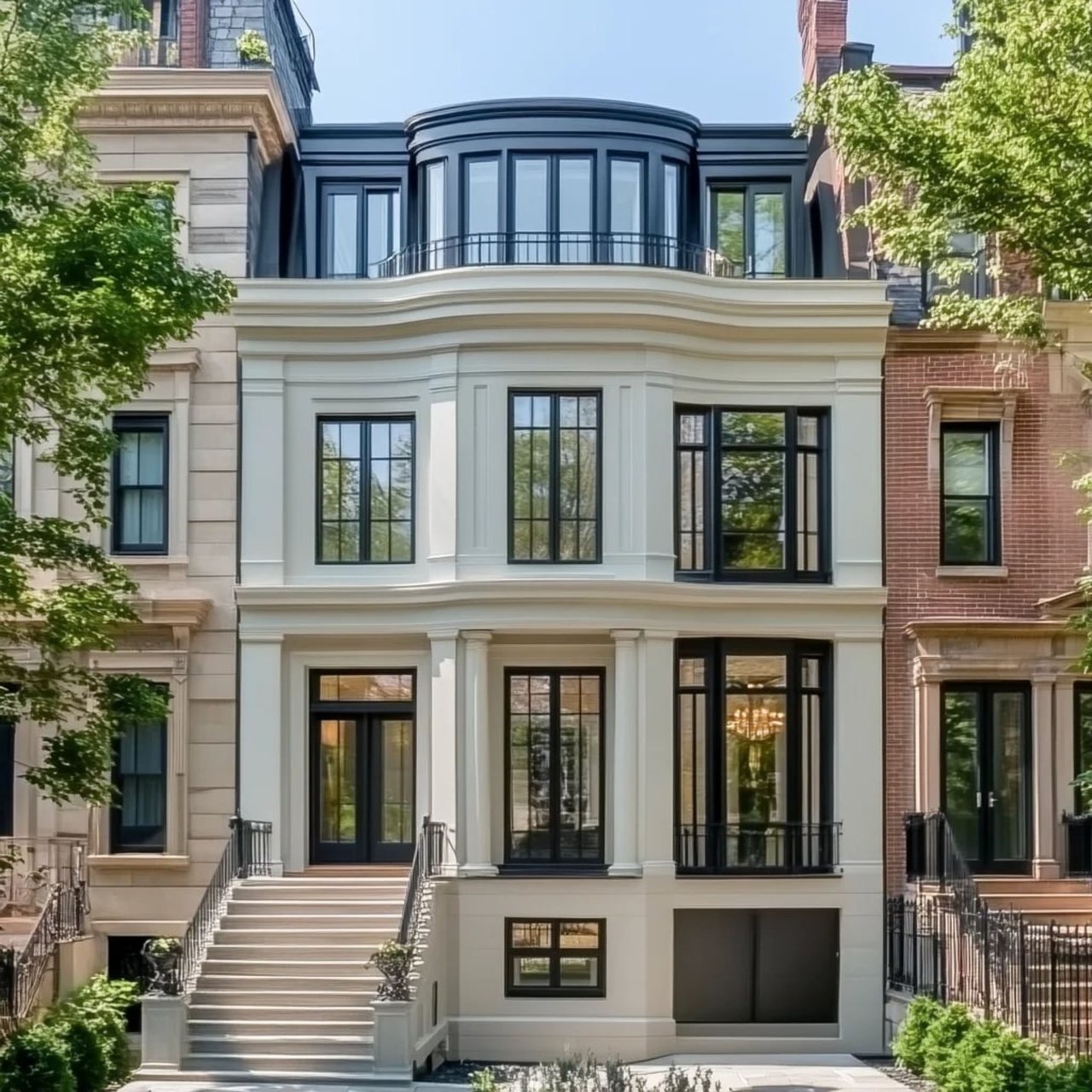
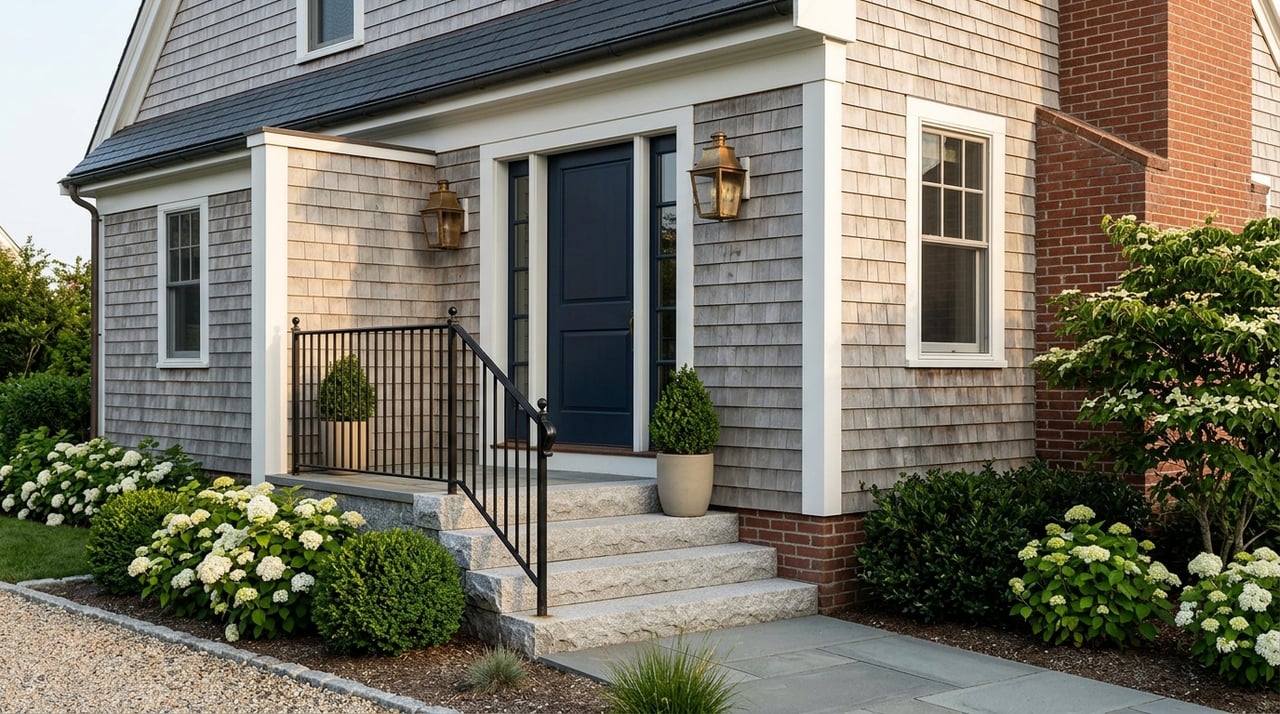
One of Swampscott’s strongest luxury signals is its architecture. The town’s residential fabric includes a rich collection of late-19th- and early-20th-century homes, especially in areas shaped by preservation and long-term neighborhood continuity.
The Olmsted Historic District is a clear example. The town notes that most of its roughly 250 homes were built within a 30-year period, and the styles include Queen Anne, Shingle Style, Colonial Revival, Dutch Colonial, Arts and Crafts, Bungalow, and American Foursquare. In practical terms, that means buyers can find homes with real design identity rather than a more uniform suburban look.
Local landmarks reinforce that story. The Fish House is a Shingle Style building with Colonial Revival features, and the Elihu Thomson House is identified as a Georgian Revival landmark. Together, these examples show that in Swampscott, luxury is often tied to architectural legacy as much as location.
Historic Character Can Affect Renovation Plans
If you are considering a historic home, it is important to understand the preservation framework. Swampscott has a Historic District Commission that oversees the town’s local historic districts. The Historical Commission also administers a demolition-delay bylaw intended to protect architecturally and historically significant buildings.
For buyers, this can be a positive if you appreciate continuity, design integrity, and neighborhood character. For sellers, it means exterior updates in certain areas may require more planning and review than they would in a newer subdivision. In a luxury market, that added layer often matters because buyers tend to care deeply about curb appeal and long-term value.
The Lifestyle Is Coastal and Connected
Swampscott offers more than beaches. The town’s broader lifestyle appeal comes from its network of open space, planned trail connections, and village-scale convenience.
The Swampscott Rail Trail is planned as a two-mile off-road shared-use path that will connect neighborhoods, schools, parks, and natural areas. The Stetson Avenue terminus is only three blocks from the commuter rail station, which adds another layer of connectivity. Town planning materials also describe a connected system of parks, beaches, open spaces, and pedestrian and bicycle amenities.
Humphrey Street serves as the cultural and social center, with shops, restaurants, and Atlantic views. The town also points to a walkable transit village around the train station and a reimagined Vinnin Square as a regional destination for shopping and services. For you, that means the luxury experience here is not isolated. It is tied to how easily you can move between home, shoreline, transit, and everyday errands.
Boston Access Still Matters
For many luxury buyers, Swampscott works because it offers a coastal setting without cutting you off from Boston. The town is served by the MBTA commuter rail, and Swampscott Station on the Newburyport/Rockport Line provides service to North Station. The town’s own planning documents identify transportation connections to Boston as one of its defining assets.
This creates a practical middle ground. You get a lower-density residential setting and shoreline access, while still maintaining a rail link into the city. The Census also reports a mean travel time to work of 34.3 minutes, which gives useful context for how residents balance location and access.
How Swampscott Compares With In-City Luxury
If you are moving from Boston, the tradeoff is fairly clear. Swampscott offers more shoreline, more residential quiet, and more house-style variety than most in-city neighborhoods. In return, you give up some of the immediacy and density that define a more urban, walk-everywhere routine.
That difference is exactly why many buyers are drawn to it. The town’s public materials emphasize beaches, open space, and a walkable transit village, which points to a neighborhood-driven coastal lifestyle rather than a downtown one. For buyers seeking a refined home base with strong visual character, that contrast can feel like an upgrade.
The Market Reflects Strong Demand
Swampscott’s market data supports its upscale reputation. The Census reports a 75.9% owner-occupied housing rate and a median owner-occupied housing value of $771,100. Those figures point to a market with established homeowners and a meaningful level of long-term ownership.
More recent market snapshots show continued demand. Redfin’s March 2026 data puts the median sale price at $857,000 and describes the market as very competitive. Realtor.com also labeled Swampscott a seller’s market in March 2026, with 29 active for-sale listings in the 01907 ZIP code and a median listing price of $764,950.
For buyers, that means preparation matters. For sellers, it suggests that scarcity, presentation, and pricing strategy can play an outsized role. In a market with limited supply, the details often make the difference.
What Luxury Buyers Often Value Most
While every client has different priorities, Swampscott tends to appeal to buyers who want a specific blend of features:
- Waterfront access or water views
- Architectural character
- A quieter residential setting
- Access to Boston via commuter rail
- A town-scale environment with beaches, parks, and local services
This is part of what makes the town compelling. Luxury in Swampscott is rarely about just one feature. It is usually about how setting, architecture, and daily lifestyle come together.
What Sellers Should Keep in Mind
If you own a luxury home in Swampscott, your property may need a different positioning strategy than an in-city Boston listing. Buyers here are often looking at more than square footage or finish level. They are also paying attention to lot setting, coastal access, historic character, and how the home fits into the surrounding streetscape.
That is why presentation matters. Clear storytelling around architecture, preservation context, and lifestyle advantages can help buyers understand not just what the property is, but why it is special. In a nuanced market, a polished and tailored approach is essential.
Why Swampscott Continues to Stand Out
Swampscott offers a version of luxury that feels distinctly coastal and distinctly New England. Its appeal comes from a rare mix of shoreline living, historic architecture, open-space access, and commuter convenience. For buyers who want more room to breathe without losing their connection to Boston, it presents a compelling alternative.
If you are exploring a move to Swampscott or considering how to position a high-value home in this market, local nuance matters. The most successful decisions usually come from understanding both the property and the lifestyle story behind it. For tailored guidance and a discreet, concierge-level approach, connect with Beth Dickerson.
FAQs
What defines coastal luxury living in Swampscott?
- Coastal luxury living in Swampscott is shaped by shoreline access, historic and architecturally distinctive homes, beach-centered daily life, and commuter-rail access to Boston.
What kinds of luxury homes are common in Swampscott?
- Swampscott is known for homes tied to late-19th- and early-20th-century architecture, including Queen Anne, Shingle Style, Colonial Revival, Dutch Colonial, Arts and Crafts, Bungalow, and American Foursquare styles.
What should buyers know about historic homes in Swampscott?
- Buyers should know that some properties may fall under local historic district oversight, and exterior changes or demolition plans may require additional review under town preservation rules.
How competitive is the Swampscott real estate market?
- March 2026 market snapshots describe Swampscott as very competitive and a seller’s market, with limited active listings in the 01907 ZIP code.
How does Swampscott compare with luxury living in Boston?
- Compared with Boston, Swampscott generally offers more shoreline, more residential quiet, and greater housing-style variety, while offering less urban density and fewer walk-everywhere conveniences.
What transportation options support commuting from Swampscott?
- Swampscott is served by the MBTA commuter rail, and Swampscott Station on the Newburyport/Rockport Line provides service to North Station in Boston.