Thinking about trading your big suburban home for a turnkey city base along the Charles? You are not alone. Many empty nesters want less upkeep, more convenience, and a neighborhood that fits how they live now. In this guide, you will compare Beacon Hill and Back Bay, learn what to prioritize in a building, plan for parking and moving logistics, and follow a clean, smart transition plan. Let’s dive in.
Beacon Hill vs Back Bay at a glance
Beacon Hill lifestyle and setting
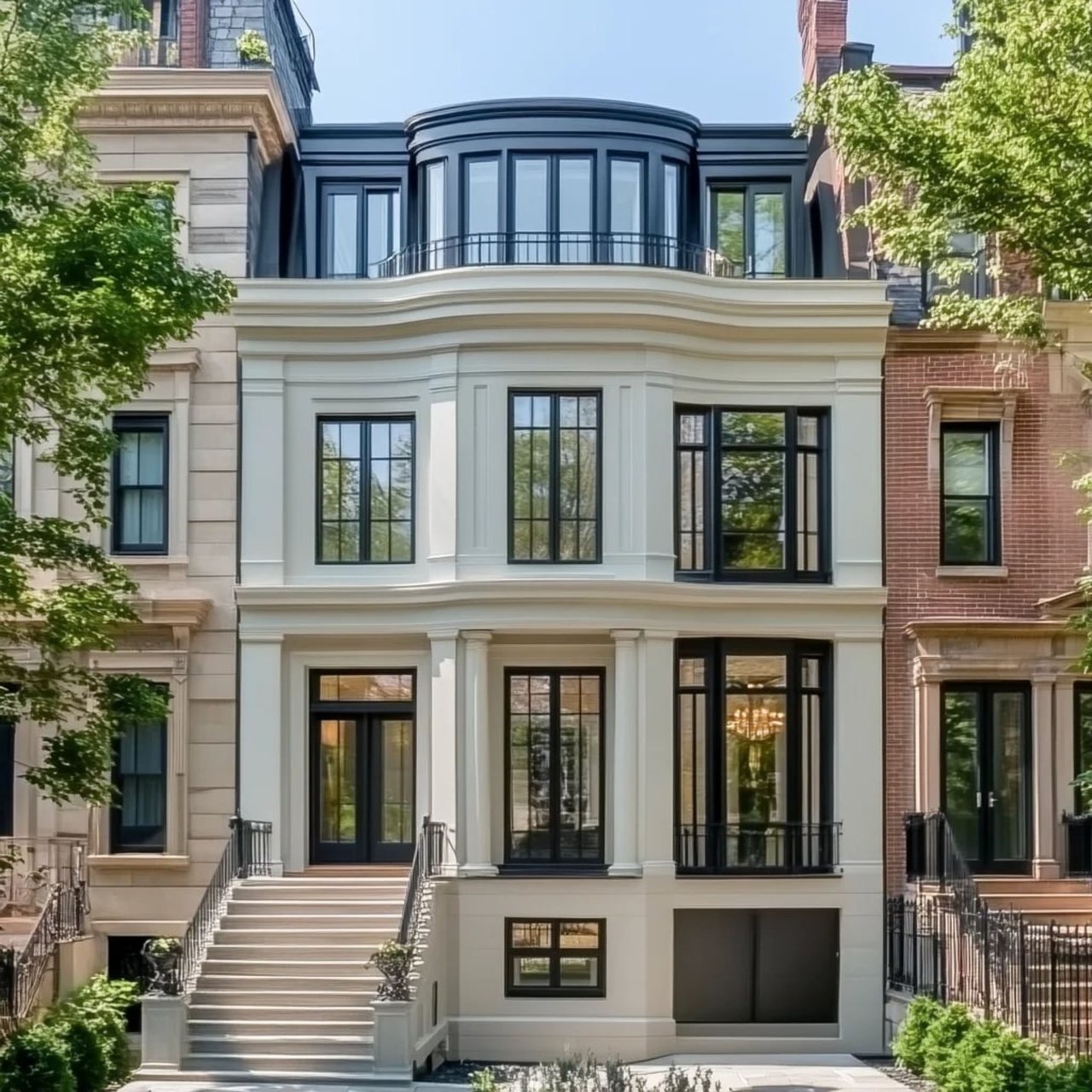
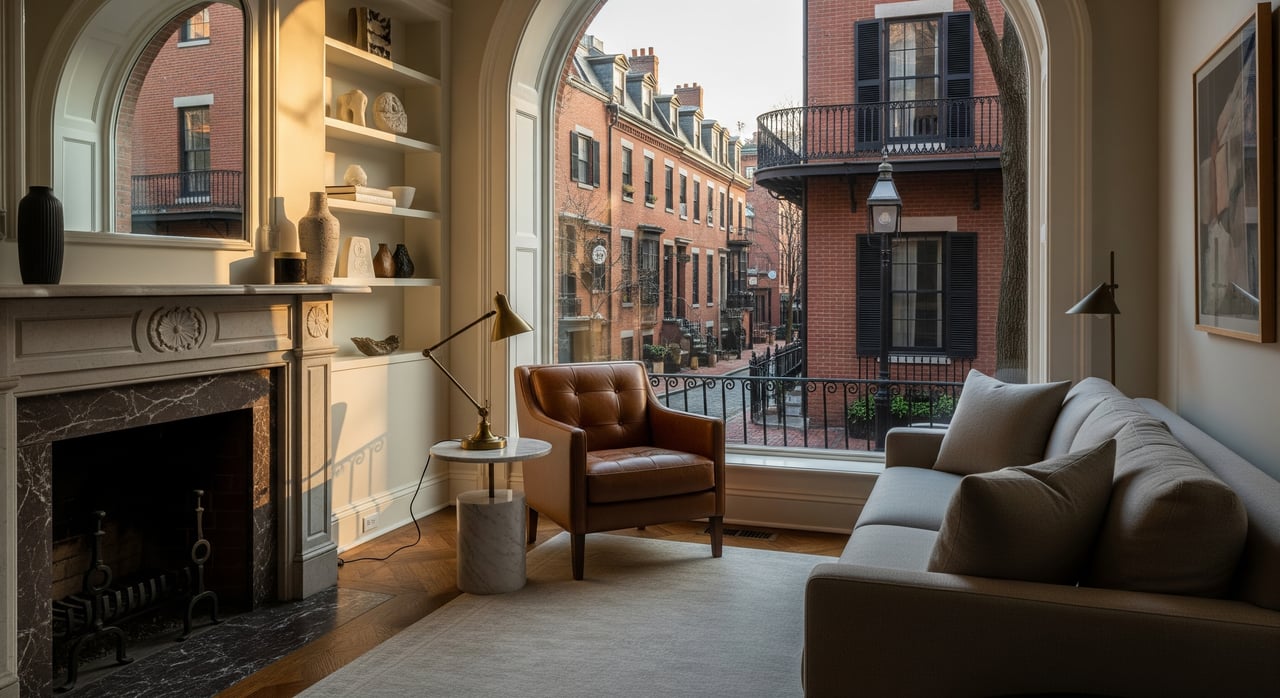
Beacon Hill feels intimate and historic. You see rowhouses, townhouses, narrow streets, and classic gas lamps. It is highly residential and tends to be quieter at night. You are steps to the State House, the Charles River Esplanade, and local shops and restaurants.
Many buildings are single-family homes or small multi-unit properties. You will find townhouse-style condos and some co-ops. If you want privacy and charm with strong walkability, Beacon Hill is a compelling choice.
Back Bay lifestyle and setting
Back Bay blends brownstones with larger luxury towers, especially near Boylston Street, the Prudential area, and along Commonwealth Avenue. It offers high-end retail, hotels, and a vibrant dining scene. Back Bay Station provides commuter rail access, plus connections to the Orange and Green Lines.
If you want full-service living, convenient parking, and a richer amenity set, Back Bay often fits the brief. You can shop on Newbury Street, walk to cultural venues, and reach regional travel options with ease.
Historic protections and what they mean
Both neighborhoods sit within protected historic districts. Exterior changes often require approvals from city preservation bodies or neighborhood architectural commissions. This can affect requests such as adding exterior elevator towers or altering façades. Interior updates are usually possible, but structural changes that impact the exterior may face limits.
Before planning renovations, you should expect a formal review process. Build time for approvals into your timeline, and choose a design team familiar with local historic requirements.
Transit and travel convenience
Beacon Hill is very walkable to downtown and connects to the Green and Red Lines near Park Street. Medical access is close, with Mass General Hospital nearby. Back Bay offers multiple transit choices, including Back Bay Station and Green Line stops at Copley, Arlington, and Boylston. For frequent travelers, Back Bay usually offers easier rail and car access and smoother connections to the airport.
The right building for lock-and-leave living
Condo vs co-op
Most city buyers choose between condos and co-ops. With a condo, you own your unit and share common spaces through an association. Condos tend to be simpler to sell and usually have fewer board restrictions.
Co-ops are owned by a corporation. You buy shares and receive a proprietary lease. Co-op boards may have approval and interview steps, along with rules on subletting or investors. For privacy-conscious owners, these processes can be beneficial, but you should plan for added documentation and timing.
When you review buildings, study the bylaws, board minutes, financials, and reserves. Healthy budgets, clear policies, and a strong management history help protect your time and value.
Elevators, access, and aging in place
Elevator access is a top priority for downsizers. Many Beacon Hill rowhouses do not have elevators. Luxury Back Bay towers almost always do, often with separate service or freight elevators. Ask whether elevators reach every floor and if there are blackout hours. Confirm freight elevator size and capacity so large furniture and art can move safely.
Plan for future needs with step-free access from the entrance to your unit. Single-floor living is ideal. Look for bathrooms that can support grab bars and a building with reliable elevator systems.
Privacy, security, and services
Back Bay towers commonly offer doorman or concierge service, controlled access, secure package handling, and on-site management. This supports a true lock-and-leave lifestyle, especially for part-time residents. In Beacon Hill, smaller buildings can still be secure and discreet, but staffing and services vary more by address.
If privacy matters, consider buildings with private entries, discreet service corridors, and integrated security. Evaluate valet parking, guest suites, storage lockers, fitness facilities, and housekeeping options. The right service mix reduces your reliance on external staff and simplifies daily life.
Floor plans that work
You may be moving into fewer square feet, but you should not sacrifice function. Seek well-proportioned entertaining spaces, defined storage for art and seasonal items, and in-unit laundry. If you entertain often, consider a layout with a generous kitchen, comfortable dining area, and a living room that fits your current furniture plan. Confirm that loading access and freight elevators can accommodate your largest items.
Parking, vehicles, and curb access
What to expect in Beacon Hill
Deeded parking is rare in Beacon Hill. Many residents use nearby commercial garages or resident street permits. If you rely on a car daily, expect a more hands-on parking routine and higher garage costs. Securing long-term garage rentals near your home can reduce stress.
If you own multiple cars or use a driver, plan in advance. Identify secure garages with 24-hour access and clarify valet policies and billing.
What to expect in Back Bay
Back Bay offers more on-site parking in luxury buildings, often with valet. Some towers include deeded or assigned garage spaces, sometimes more than one per unit. This is helpful if you have multiple vehicles or want direct elevator access from your car to your lobby.
Expect a premium for deeded spots and higher monthly fees for commercial garages. For security and convenience, prioritize buildings with staffed garages and clear guest parking options.
EV charging and garage features
Newer luxury buildings are more likely to offer EV charging or pre-wiring in garage stalls. Older garages vary and retrofits can be complex. Ask about charging availability, usage rules, and any waitlists.
If you plan to install equipment within a deeded stall, confirm ownership and rights to modify, plus building policies on electrical upgrades.
Moving day logistics
In Boston, curb space for moving trucks requires advance coordination. You or your move manager will need to reserve temporary no-parking areas and follow city sign and meter procedures. Many luxury buildings have loading docks and defined move windows.
Ask management about mover requirements, insurance certificates, elevator padding, and scheduling. Confirm freight elevator size, weight limits, and hours. Good planning avoids surprise fees and protects common areas.
Your downsizing game plan
Time the sale and purchase
You have three main paths. You can sell first and use a rental or hotel while you shop, which reduces carrying costs. You can buy first, then sell, which creates a smoother move but increases carrying costs. Or you can explore contingencies or short-term bridge solutions, which can be complex in luxury markets.
Model the tax and cost scenarios with your agent and financial advisor. The right choice balances speed, certainty, and comfort.
Edit, store, and protect valuables
Use a high-end move manager to curate what goes to your city home, what is stored, and what is sold or consigned. For art and jewelry, keep provenance records, update insurance, and use fine-art shippers. Choose climate-controlled storage for family heirlooms, seasonal items, cars, and archives.
Digitize legal and financial documents and use secure, indexed storage. Simple systems today save time later.
Execute a secure move
Hire vetted luxury movers and art handlers. Require proof of insurance and detailed inventories. Coordinate closely with building management on move dates, hours, and elevator access. Keep a small stay kit with essentials, devices, and critical documents so the first 48 hours feel effortless.
Selling your suburban estate
Work with a team that understands luxury presentation. Professional staging, high-end photography, and, when appropriate, twilight and aerial imagery will show your home at its best. For privacy, you can use discreet marketing channels and targeted outreach to qualified buyer pools.
As you go to market, align on pricing, showing protocol, and confidentiality. Be clear about timing so your sale supports your city purchase.
Plan for staffing and services
If you have household staff, decide which roles you will retain. Many downsizers shift to building concierge support, part-time housekeeping, and on-demand drivers or chefs. Review building security protocols and supplement with private arrangements if needed.
Due diligence checklist
Building-level review
- Ownership type, condo or co-op, plus bylaws, proprietary lease, and declarations
- Board minutes for the past 12 to 24 months and reserve studies
- Concierge and doorman hours, package handling, valet, and management structure
- Amenities, storage lockers, bike storage, fitness areas, and guest suite rules
- Insurance coverage, owner responsibilities, and any pending special assessments
Unit-level review
- Elevator access, freight elevator specs, and emergency egress
- Heating and cooling systems, backup power, and emergency procedures
- Noise exposure from street or common areas, and floor-by-floor adjacency
- Security systems, concierge protocols, and package logging practices
- Parking rights, deeded or assigned status, ability to lease or sell stalls, and EV charging
Financial and tax notes
- HOA or co-op assessment history and reserves, which affect long-term costs
- Differences in property taxes from your current home
- Primary residence, second-home, and estate planning questions that call for professional advice
A thoughtful, well-sequenced plan can make your move feel seamless. If you want a second set of eyes on your shortlist or need introductions to vetted movers, stagers, or storage providers, connect with a trusted local advisor. For confidential guidance and a curated property search in Beacon Hill and Back Bay, schedule time with Beth Dickerson.
FAQs
Which Boston neighborhood is quieter for downsizers?
- Beacon Hill tends to be more residential and quieter at night, while Back Bay offers more retail and cultural activity.
What buildings work best for a lock-and-leave lifestyle?
- Full-service Back Bay towers with concierge, secure access, and on-site parking are ideal, though select Beacon Hill buildings can also deliver strong privacy and security.
How hard is parking with more than one car?
- It is feasible in Back Bay where some buildings include multiple garage spaces, but far more difficult and costly in Beacon Hill.
Can I easily move large art and furniture into historic buildings?
- Yes, with planning, but confirm freight elevator size, reservation rules, and any restrictions on altering common areas.
What are the key differences between a condo and a co-op?
- Condos usually have simpler resale and fewer restrictions, while co-ops may require board approval, interviews, and have stricter subletting and investor rules.
Do I need special approvals to renovate?
- Exterior changes in both Beacon Hill and Back Bay typically require historic review, while interior work is more flexible unless it affects the exterior or structure.