Dreaming about a coastal escape that still feels polished, walkable, and close to Boston? Marblehead often rises to the top for buyers who want more than just a pretty shoreline. If you are considering a luxury second home here, it helps to understand what daily life, ownership costs, and local rules really look like before you make a move. Let’s dive in.
Why Marblehead Appeals to Second-Home Buyers
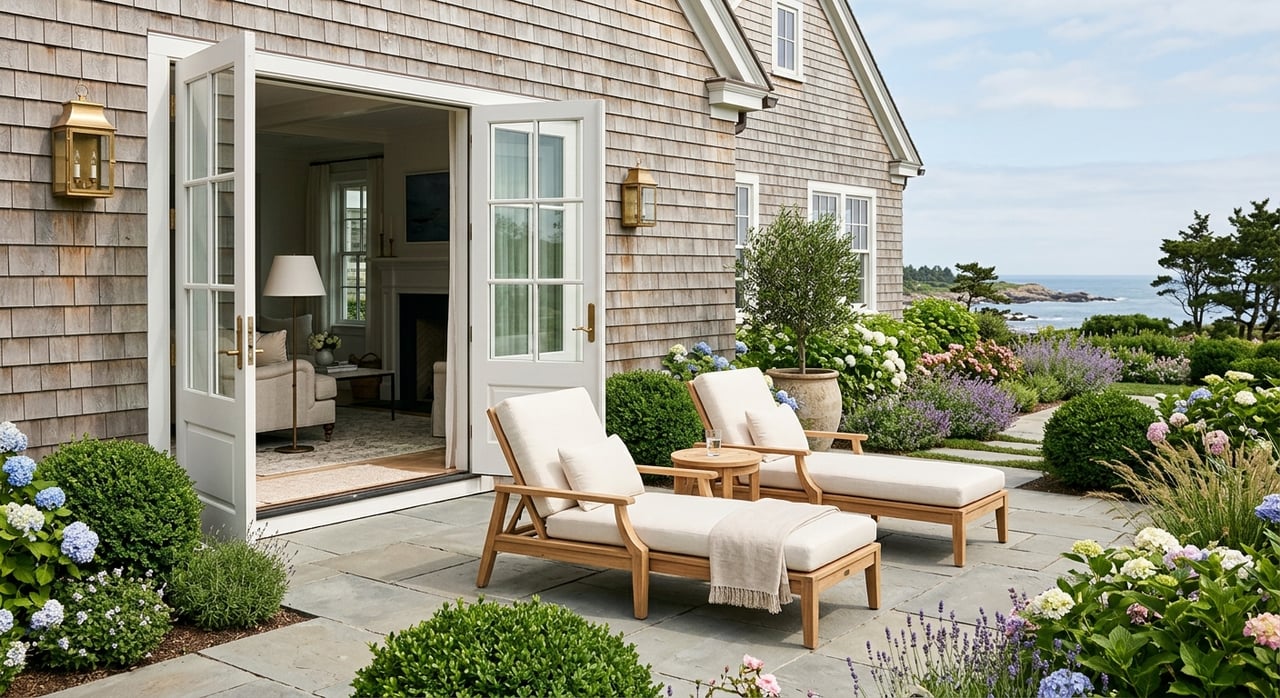
Marblehead offers a very specific kind of coastal lifestyle. About 18 miles north of Boston, the town combines historic streets, beaches, parks, conservation areas, and walking trails with a compact village feel. For many second-home buyers, that mix creates a retreat that feels distinct from both the city and a larger suburban property.
The town also reads more as a true residential community than a resort market. Marblehead has 19,808 residents, and the owner-occupied housing rate is 85.2%, according to the latest U.S. Census Bureau QuickFacts profile cited by the town. That matters because you are buying into a place where year-round ownership and local stewardship shape the experience.
What Kind of Housing You Will Find
If you are picturing a large pipeline of new luxury condos, Marblehead may not match that expectation. Town planning materials state that more than three-quarters of the housing stock is single-family, and single-family homes are allowed by right on 97% of zoned land. Other housing types, including detached accessory units and some smaller-scale alternatives, are limited or not broadly permitted under current bylaws.
In practical terms, that means your search is more likely to focus on older single-family homes than on newly built condo inventory. For many luxury buyers, that is part of the appeal. Marblehead offers character, architectural depth, and a strong sense of place rather than a highly standardized second-home product.
Historic Character Is Part of the Value
Marblehead’s historic setting is not just a backdrop. It is central to the ownership experience. The Marblehead Historic District contains 988 contributing buildings and includes Georgian, Federal, and Queen Anne architecture, with about 200 houses built before the American Revolution.
For a buyer who values heritage and design, that kind of built environment can be compelling. It also means many homes come with the quirks and responsibilities of older construction. If you are drawn to period detail, harbor views, and established streetscapes, Marblehead can deliver a highly curated New England coastal feel.
Is Marblehead Better for Weekends or Full Seasons?
For many buyers, Marblehead works best as more than a summer-only address. The town’s compact layout, public ways, harbor setting, and residential character support repeat weekend use throughout the year. Rather than feeling like a destination that only comes alive in one season, it offers a setting that can be enjoyable for long weekends, holiday stays, and extended stretches across spring, summer, and fall.
That said, your ideal use depends on what you want from a second home. If you are looking for a lock-and-leave property with minimal upkeep, Marblehead’s older single-family inventory may require more planning. If you want a place with architectural substance and a lived-in coastal rhythm, it can be an excellent fit for fuller seasonal use.
Harbor Access Matters More Than Many Buyers Expect
Marblehead is both a residential retreat and a boating town. That dual identity is a big part of its appeal, but it is important to be realistic about access. The Harbormaster’s Office states that harbor use is regulated by the town, mooring permits are limited, and applicants should expect a long waiting list.
If boating is central to your lifestyle, you will want to discuss logistics early. Temporary moorings must be requested each year before February 1, and transient moorings and docks are available with a 10-night maximum. The Eastern, Corinthian, and Boston Yacht Clubs also maintain guest moorings at the harbor entrance.
This does not make Marblehead a poor fit for boaters. It simply means you should not assume immediate private mooring access will come easily with ownership. The town also lists multiple public landings and floats, including Cliff Street Boatyard, Parker’s Boatyard, State Street, and Village Street, which support on-the-water access even in a constrained harbor environment.
Walkability Is a Real Luxury Here
One of Marblehead’s strongest advantages is walkability. Many coastal communities offer water views but still require constant driving. Marblehead is different.
The town identifies 18 public ways open for public use, including 8 in downtown Marblehead and 10 on Marblehead Neck. Examples include Lookout Court, Prospect Alley, Hollyhock Lane, the Alley Steps, and Gingerbread Lane. For you, that can translate into a second-home lifestyle where you can stroll to viewpoints, explore historic lanes, and enjoy weekends without always getting behind the wheel.
Carrying Costs Deserve a Close Look
Luxury second-home ownership is about more than the purchase price. In Marblehead, carrying costs can be meaningful, especially when you add taxes, insurance, maintenance, and any financing expenses.
The town’s FY2026 single tax rate is $8.56 per $1,000 of assessed value. The median single-family assessment is $998,500, and the median single-family tax bill is about $8,547. The average single-family tax bill is reported at about $11,055.
For higher-value homes, those costs can rise quickly. A thoughtful acquisition strategy should account for not just your offer price, but also the annual cost of holding the property comfortably. That is especially true if the home is older, waterfront-adjacent, or located in an area where exterior maintenance may require additional care.
Tax Treatment Is Not the Same as a Primary Home
Second-home buyers should be careful not to assume they will receive the same protections or exemptions available on a principal residence. Marblehead’s tax reporting notes that residents who own and occupy their property as their domicile may apply for exemptions if they meet statutory requirements. Massachusetts homestead protection can only be declared on a principal residence.
For a weekend or seasonal property, that distinction matters. It affects how you think about long-term carrying costs, risk planning, and ownership structure. If you plan to finance part of the purchase, IRS Publication 936 states that mortgage interest can be deductible on a main home or second home, subject to federal limits and normal itemizing rules.
Flood Review Should Start Early
Because Marblehead is coastal, flood due diligence should happen near the beginning of your search, not near the end. FEMA states that National Flood Insurance Program requirements apply to properties located in Special Flood Hazard Areas shown on official flood maps. Massachusetts also notes that while there is no state law requiring flood insurance, lenders usually require it when a mortgaged property is in a flood hazard area.
For you, the key takeaway is simple. If a property is near the water, do not wait to evaluate flood mapping and likely insurance obligations. Early review helps you understand both monthly costs and any future resale considerations.
Historic District Rules Can Shape Renovation Plans
If you are buying in Old Town or Gingerbread Hill, local historic review may play a major role in ownership. The Old and Historic Districts Commission states that exterior work visible from a public way is subject to review, and work must be completed as approved. Changes to visible exterior features can trigger conditions and timeline considerations.
That does not mean you should avoid these areas. In many cases, historic oversight helps preserve the very setting that makes Marblehead desirable. It does mean you should align your expectations early if you are considering repainting, changing windows, adding to the structure, or making other visible exterior updates.
Questions to Ask Before You Buy
A luxury second home should support your lifestyle with as few surprises as possible. In Marblehead, these are some of the smartest questions to ask at the start:
- Will you use the home mainly for weekends, or for longer seasonal stays?
- Are you comfortable with the upkeep of an older single-family home?
- Is boating access essential, and if so, what is your realistic harbor plan?
- Is the property located in a flood hazard area?
- Is the home within Old Town or Gingerbread Hill historic districts?
- What will your full annual carrying costs look like after taxes, insurance, and maintenance?
- Do you want a highly walkable village setting or a quieter harbor-adjacent location?
The answers can help you separate a beautiful property from the right property. In a market defined by character and scarcity, that distinction matters.
Why Marblehead Stands Out
Marblehead is not trying to be a resort town, and that is part of its appeal. It offers a compact, historic, coastal setting with strong residential character, meaningful walkability, and a boating culture that feels authentic rather than manufactured. For the right buyer, it can be a refined second-home market with lasting value.
The best purchases here tend to come from clear expectations. When you understand the housing stock, harbor realities, historic rules, and carrying costs upfront, you can buy with much more confidence. If you are exploring a luxury second home in Marblehead, a thoughtful, concierge-level approach can help you weigh not just the home itself, but the full ownership experience.
If you are considering a coastal purchase and want discreet, strategic guidance tailored to the luxury market, Beth Dickerson can help you evaluate the opportunity with clarity and confidence.
FAQs
Is Marblehead a good location for a luxury second home?
- Marblehead can be an excellent fit if you want a coastal retreat with historic character, strong walkability, and proximity to Boston, especially if you value single-family homes over large amounts of newer condo inventory.
What type of homes are common in Marblehead for second-home buyers?
- Town planning materials indicate that more than three-quarters of Marblehead’s housing stock is single-family, so your options are more likely to include older detached homes than newly built condos.
How difficult is harbor access in Marblehead for second-home owners?
- The town states that mooring permits are limited and often involve a long waiting list, so boating access should be researched early if it is important to your lifestyle.
What should buyers know about historic district rules in Marblehead?
- In areas such as Old Town and Gingerbread Hill, exterior work visible from a public way may require review and approval from the local historic districts commission.
What are the property tax costs for a Marblehead second home?
- For FY2026, the town reports a single tax rate of $8.56 per $1,000 of assessed value, with a median single-family tax bill of about $8,547 and an average single-family tax bill of about $11,055.
Do Marblehead second homes qualify for Massachusetts homestead protection?
- No, Massachusetts homestead protection applies only to a principal residence, so a seasonal or weekend home typically would not qualify.
Should buyers check flood risk before buying in Marblehead?
- Yes, especially for coastal properties, because flood zone status can affect insurance requirements, financing, and your overall carrying costs.