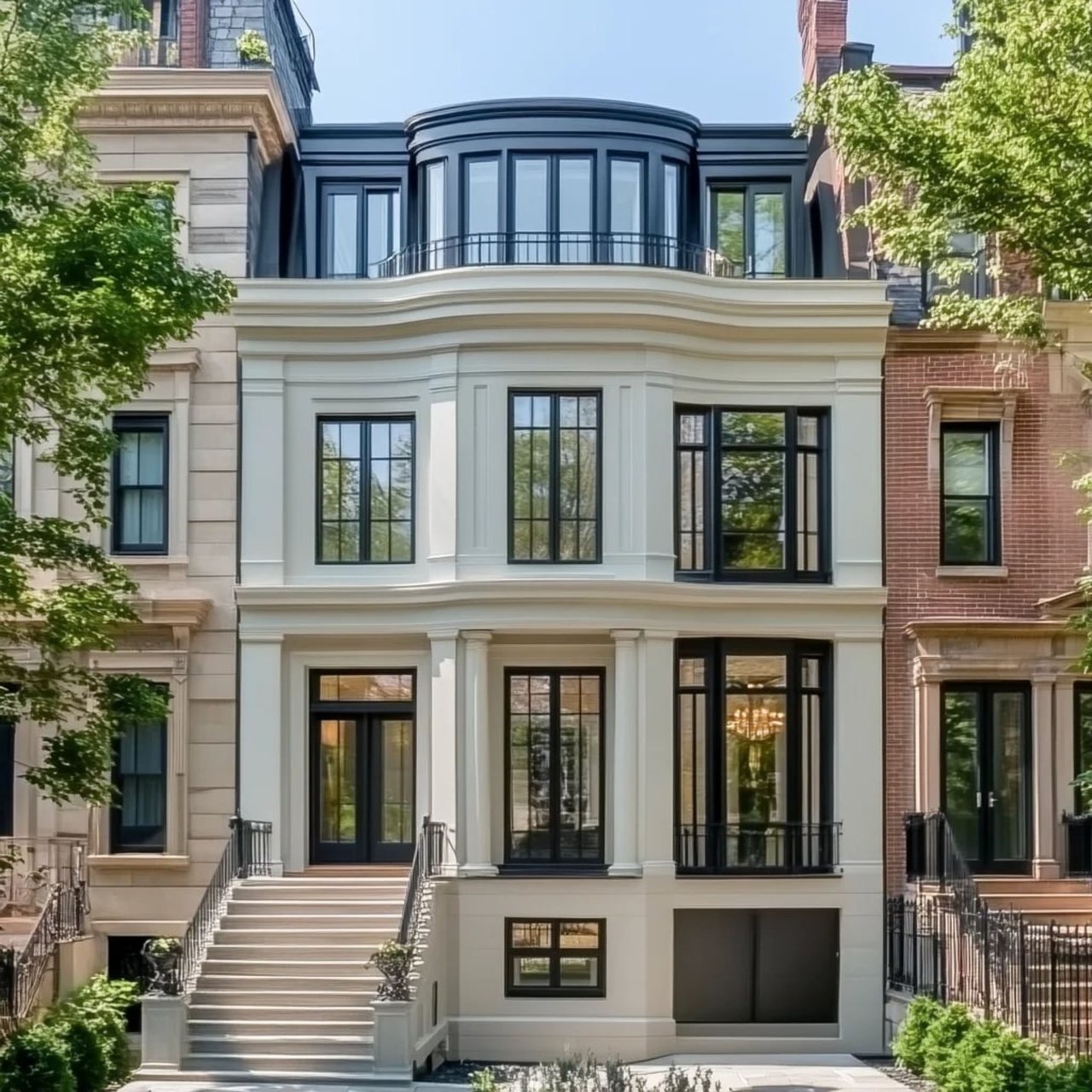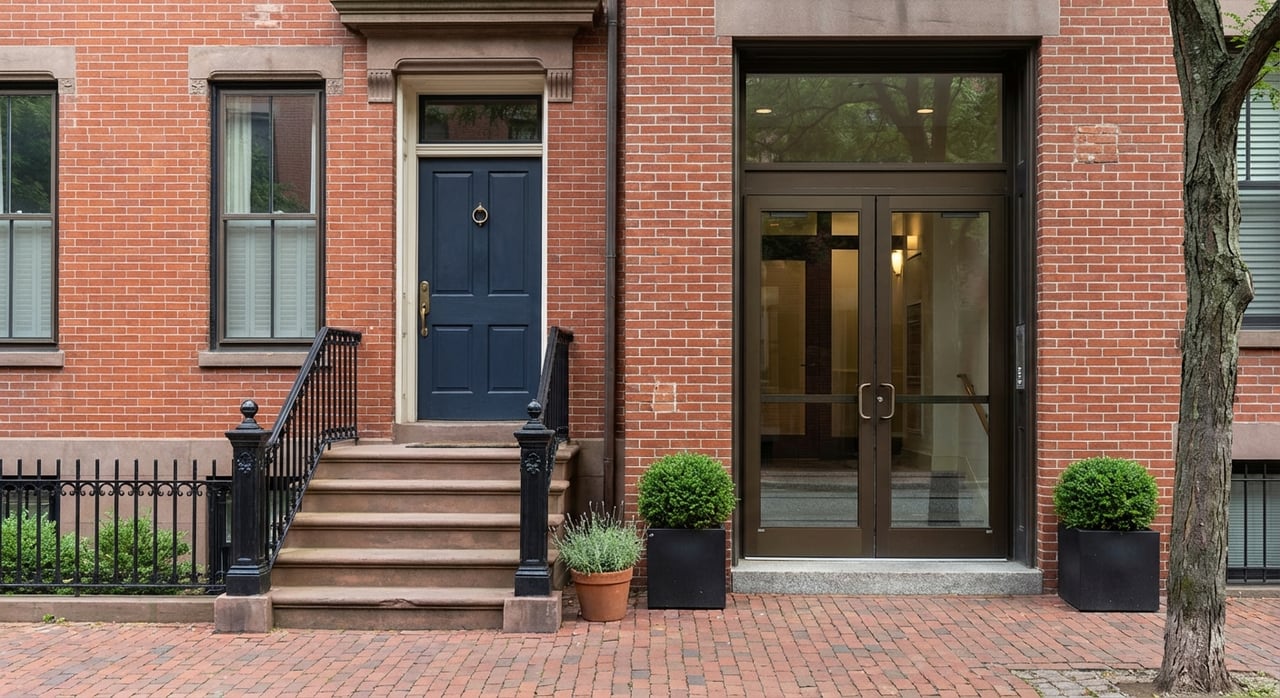
You love the romance of Beacon Hill’s brick townhouses, but you also want everyday ease. Should you buy a condo or a Single Family townhouse? The right choice comes down to how you like to live, how you plan to finance, and how much control you want over your home. In this guide, you will learn the key differences in ownership, lifestyle, costs, approvals, and resale so you can choose with confidence. Let’s dive in.
Beacon Hill context and rules
Beacon Hill is a protected historic district with narrow brick streets, gas lamps, and Federal and Greek Revival architecture. Exterior changes visible from a public way typically require design review and approval by the Beacon Hill Architectural Commission. The City of Boston outlines what needs approval, how to apply, and the standards that shape the neighborhood’s look and feel. Review the district guidance before you plan any exterior work so you know what is feasible and how long it may take. You can find the official process and standards on the City’s page for the Historic Beacon Hill District.
Ownership basics: condo vs. single family
In Massachusetts, single family ownership means you own the land and the structure outright. By contrast, condominium ownership gives you title to a specific unit plus an interest in the common areas. Condominiums in Massachusetts are governed by Chapter 183A of the Massachusetts General Laws. Your rights and obligations come from the master deed, declaration of trust, and bylaws, along with the statute. Associations typically set monthly amounts to fund operating costs and reserves for capital repairs, with trustees empowered by the governing documents.
How financing differs
Condo financing adds a second layer of review. Beyond your personal qualifications, lenders review the building’s eligibility, including reserves, owner-occupancy, delinquency rates, pending litigation, and special assessments. Fannie Mae publishes project guidelines that many lenders follow, which can affect the timeline and terms you receive. Before you fall in love with a unit, ask your lender to verify project eligibility using Fannie Mae’s condo, co-op, and PUD eligibility guidance.
Lifestyle tradeoffs you will feel
Space, privacy, and entrances
Single families often deliver a house-like experience in the city. You typically get a private street entrance, multiple floors for separation of spaces, and sometimes a private garden or roof deck. In Beacon Hill’s luxury tier, rare features like greenhouses, gardens, and service entries add to privacy and appeal, as highlighted in this Beacon Hill townhouse feature. If you value privacy and vertical living, a single family townhouse can be a strong fit.
Amenities and services
Condo living often prioritizes convenience. Boutique and full-service buildings in Beacon Hill can offer elevator access, concierge, valet, and common roof decks. These services simplify daily life and reduce hands-on upkeep, though they come with monthly fees. For a taste of what full-service living looks like locally, see how a recent Beacon Hill project marketed amenities and service in this Archer Residences overview.
What monthly costs really cover
Condo fees fund building operations and long-term repairs. Typical inclusions are building insurance on a master policy, common-area utilities, elevator and garage operations, concierge or security, snow removal, landscaping, and contributions to reserves. The master policy type matters. Depending on whether the policy is “bare walls,” “single-entity,” or “all-in,” you may need to carry different levels of interior coverage on your personal policy. For a simple explanation of master policies and HO-6 coverage, review this condo insurance guide.
With single family townhouses, there is no association to spread costs unless there is a small shared agreement for items like a party wall or shared drive. You pay directly for exterior maintenance, roof, masonry, and systems. The upside is full control over timing and scope. The tradeoff is budgeting for larger, less frequent capital items on your own.
Insurance expectations
If you buy a condo, you usually carry an HO-6 policy for your interior improvements, personal property, and liability. You may also want loss-assessment coverage for costs not fully covered by the association’s master policy. Fee-simple townhouses typically require an HO-3 or HO-5 homeowner policy that covers the structure and the land. Premiums are often higher because you insure the entire building, not just the interior. To understand the difference between unit owner policies and master policies, this condo insurance explainer is helpful.
Renovations in a historic district
Exterior changes visible from a public way in Beacon Hill require prior approval through the Beacon Hill Architectural Commission. This affects windows, roofing, doors, masonry, and exterior lighting. The process and standards are clear, but approvals and historically appropriate materials can add cost and time. Review the City’s guidance before you plan work so your budget and schedule reflect the approval steps. See the official process for the Historic Beacon Hill District.
If you plan a large rehabilitation of an income-producing property, there may be state and federal historic tax credits available. These incentives generally do not apply to a privately owned single-family residence unless it is used as income-producing property. For background on the state program, start here: Massachusetts historic rehabilitation tax credits.
Parking, transit, and daily logistics
On-site or deeded parking in Beacon Hill is scarce and can command a premium. The neighborhood’s central location and proximity to MBTA stations often reduce the need to drive daily, but you should still weigh parking availability against your lifestyle. If a deeded space is essential, make it part of your search criteria from day one.
Short-term rentals and investor use
Boston regulates short-term rentals and requires registration. Many categories limit rentals to owner-occupied primary residences, and associations often restrict short-term use in condos. If you plan to rent occasionally or seasonally, review both the City’s rules and the building’s policies. Start with the City’s overview of short-term rental regulations, then confirm association bylaws or townhouse zoning compliance.
Long-term value and resale
Both condos and townhouses in Beacon Hill draw value from proximity to the State House, Public Garden, Mass General Hospital, historic architecture, outdoor space, views, and high-caliber finishes. Scarcity also plays a role. Single families on coveted blocks can achieve premium prices that are not representative of the broader market. For example, media coverage of Louisburg Square and Mount Vernon Street highlights exceptional multi-million-dollar sales, underscoring the rarity value of top-tier townhouses. You can see an example of that coverage here: Louisburg Square sale coverage.
Condos can offer more liquidity in some cycles because there are more units available and they appeal to buyers who want single-floor living and services. If financing is part of your plan, keep in mind that small, historic condo projects are scrutinized for reserves, owner occupancy, and litigation. Those building factors can influence pricing, days on market, and which buyers can close.
How to choose: a quick decision guide
Consider a fee-simple Beacon Hill townhouse if you want:
- A private entrance, multi-level living, and a home-like feel.
- Control over exterior and interior decisions within historic guidelines.
- Simpler financing paths typical of single-family underwriting.
- Long-term upside from scarce features like gardens or roof decks.
Consider a Beacon Hill condo if you prefer:
- Single-floor living with possible elevator access and a concierge.
- Lower day-to-day maintenance, with building operations handled for you.
- Access to amenities like valet parking or a common patio or roof deck.
- A broader pool of future buyers who value convenience and services.
With clear goals and the right guidance, you can align lifestyle, cost, and long-term value.
If you are weighing specific buildings or blocks, want a second opinion on a reserve study, or need introductions to local lenders who understand Beacon Hill projects, let’s talk. For discreet, concierge-level guidance and access to curated options, connect with Beth Dickerson.
FAQs
What is fee-simple ownership in Beacon Hill?
- Fee simple means you own the land and the entire structure, unlike a condo where you own a unit plus a share of common areas under Chapter 183A.
How do condo HOA fees work in Beacon Hill luxury buildings?
- Fees typically cover building insurance on a master policy, common utilities, maintenance, and reserves; always review the master policy type and the building budget.
Are exterior renovations on Beacon Hill townhouses difficult?
- Exterior work visible from a public way requires prior approval by the Beacon Hill Architectural Commission, which can add time and cost; review the City’s Historic Beacon Hill District standards before planning.
How do lenders view small Beacon Hill condo buildings?
- Lenders check project eligibility items like reserves, owner-occupancy, delinquencies, and litigation; see Fannie Mae’s condo and PUD eligibility guidance and have your lender pre-screen the building.
Can I do short-term rentals in a Beacon Hill property?
- Boston regulates short-term rentals and requires registration, with many limits tied to owner-occupancy; check the City’s short-term rental rules and, for condos, your association’s bylaws.