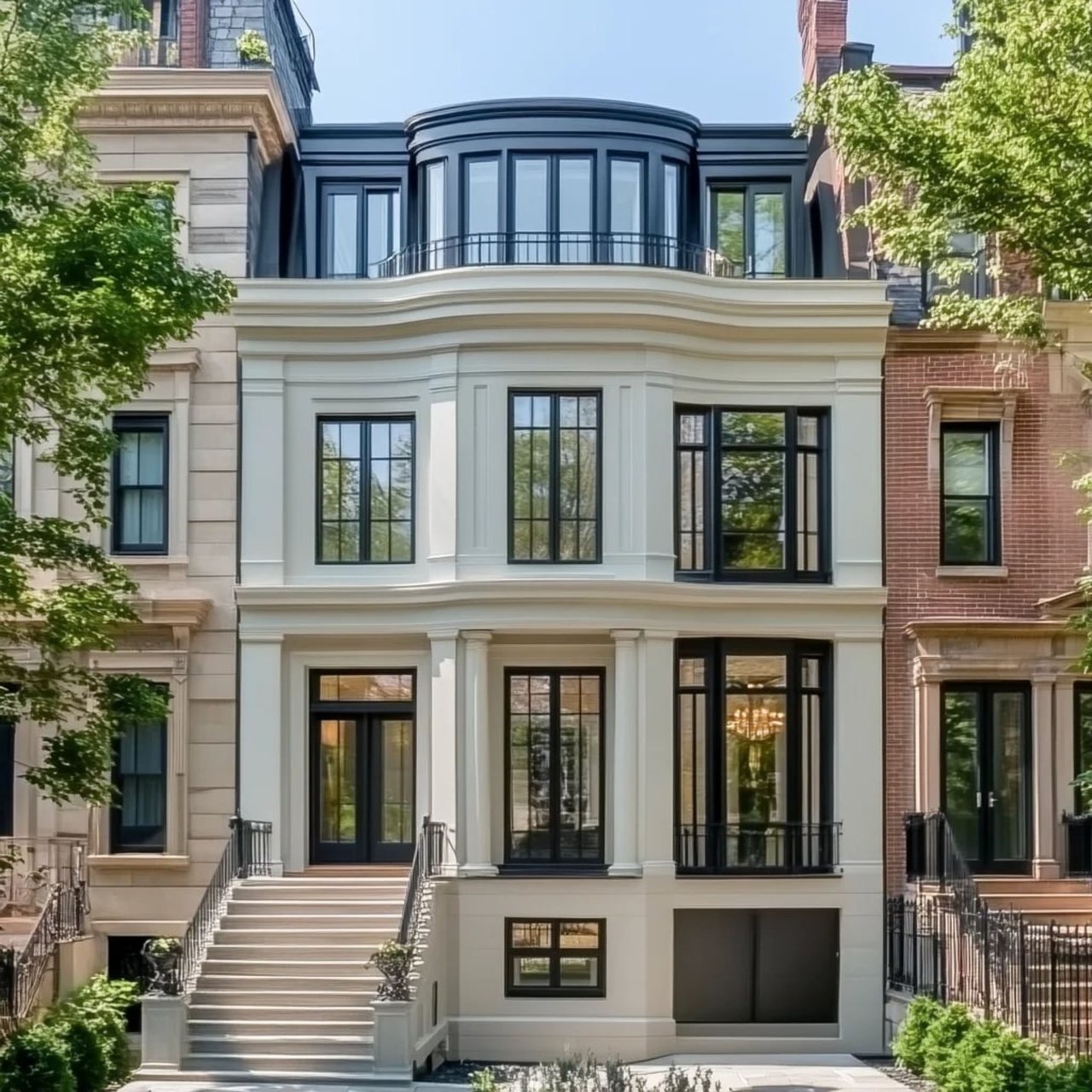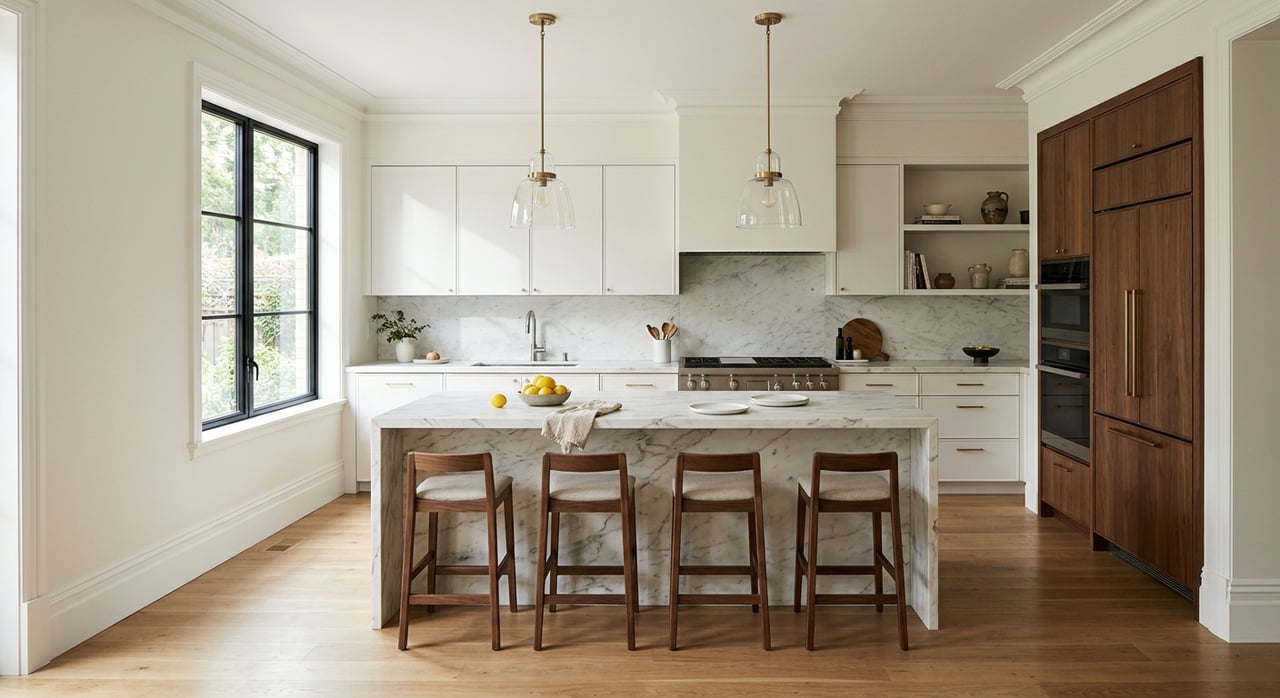
If you want a luxury home that puts culture, transit, riverfront recreation, and two of the world’s most recognized institutions within easy reach, Cambridge offers a rare mix. You may be drawn to the energy of Harvard Square, the polished convenience of Kendall Square, or the quieter feel of nearby residential streets, but the common thread is access. In this guide, you’ll get a clear look at what luxury living near Harvard and MIT really feels like, which subareas stand out, and why this corridor continues to capture attention from discerning buyers. Let’s dive in.
Why This Cambridge Corridor Stands Out
Luxury living near Harvard and MIT is less about sprawl and more about proximity, polish, and daily ease. This part of Cambridge is defined by a dense mix of institutions, retail, culture, and transit, creating a lifestyle that feels connected from morning to night.
On the Harvard side, the City of Cambridge describes Harvard Square as an international destination with restaurants, shops, cultural offerings, about 900,000 square feet of retail, and one of the busiest Red Line stations. On the MIT side, Kendall Square is shaped around places to work, live, study, and spend free time, with housing, retail, open space, innovation space, and the MIT Museum all part of the picture.
Another major draw is location within the broader regional market. Harvard notes that Cambridge and Boston are separated by the Charles River, which helps explain why this area feels deeply connected to Greater Boston while still offering a distinct identity of its own.
Harvard Square Lifestyle
Harvard Square delivers a layered urban experience that goes well beyond campus landmarks. The City of Cambridge highlights restaurants, shops, and cultural offerings, but the appeal is also in how these pieces come together on foot.
Nearby spaces such as Winthrop Square and Charles Square add to that texture. The City describes Winthrop Square as surrounded by cafes, restaurants, retail, housing, and institutional uses, while Charles Square is a mixed-use project south of Brattle Square, reinforcing a neighborhood feel that is active, walkable, and mixed throughout the day.
For buyers seeking luxury, this often translates into a more turnkey city lifestyle. You are not just choosing a home. You are choosing the ability to step out for coffee, browse local shops, access transit, and enjoy cultural venues without needing to plan your day around a car.
Kendall Square Energy
Kendall Square offers a different expression of luxury. It feels more contemporary, more mixed-use, and especially appealing if you prefer newer residences close to offices, research hubs, open space, and cultural destinations.
MIT’s Kendall Square Initiative includes housing, retail, open space, innovation space, lab and research space, and the MIT Museum. MIT also describes Kendall as a place where people work, live, study, and play, which helps explain why the area attracts buyers looking for a highly efficient and modern urban lifestyle.
This part of Cambridge often appeals to those who want a refined condo experience with immediate access to transit and neighborhood amenities. The character here is shaped by a blend of institutional presence and evolving mixed-use development rather than traditional residential blocks alone.
Residential Areas Near Harvard and MIT
Not every luxury buyer wants to live in the center of the busiest streetscape. One of Cambridge’s strengths is that you can stay close to Harvard Square or Kendall Square while choosing a more residential setting.
The neighborhoods most relevant here include Mid-Cambridge, Riverside, Cambridgeport, East Cambridge, and the MIT area. The City describes Mid-Cambridge as stretching from Central Square to Harvard Square and being predominantly residential, Riverside as a residential neighborhood along the Charles River, and Cambridgeport as a half-square-mile neighborhood adjacent to the river.
That gives you several ways to define “luxury living” in Cambridge. For some buyers, it means being close to the action with a quieter home base. For others, it means prioritizing river access, residential scale, or a more seamless blend of historic surroundings and everyday convenience.
Mid-Cambridge
Mid-Cambridge is a strong fit if you want a residential setting with excellent access to both Harvard Square and Central Square. Because it is predominantly residential, it can offer a calmer daily rhythm while keeping shops, dining, and transit close by.
Riverside
Riverside stands out for its connection to the Charles River. If your ideal routine includes walks by the water, bike rides, or easy access to riverfront open space, this neighborhood brings that lifestyle into sharper focus.
Cambridgeport
Cambridgeport combines residential character with adjacency to the Charles River. Its location can make it especially appealing if you want to balance neighborhood feel with access to MIT, Central Square, and outdoor recreation.
East Cambridge and MIT Area
East Cambridge and the MIT area place you closer to Kendall Square’s more urban and contemporary environment. These locations can appeal to buyers who value convenience, transit access, and a polished city pace over a quieter, primarily residential setting.
What Luxury Means Here
In Cambridge, luxury is not defined by gated entrances or large lots. It is more often expressed through walkability, cultural access, institutional prestige, riverfront proximity, and thoughtfully located housing.
That distinction matters if you are comparing Cambridge to more traditional luxury markets. Here, the value is in how effortlessly your home connects you to the best parts of daily life, from museums and theater to dining, transit, and open space.
The luxury story is also supported by the area’s mix of historic neighborhood fabric and newer mixed-use living. Based on city and MIT planning sources, this corridor often offers a hybrid of established residential streets and contemporary condo inventory, giving buyers a broader range of options than they may expect in a dense urban market.
Arts, Dining, and Cultural Depth
One reason this area feels so complete is that its amenities are not limited to one lane of activity. The Harvard side supports an everyday rhythm of cafes, restaurants, retail, and pedestrian energy, while the broader Cambridge arts scene adds another layer of depth.
Harvard Arts highlights the American Repertory Theater, student theater, and the Harvard Theatre Collection. Harvard’s museum network includes the Harvard Art Museums, and MIT points to the MIT Museum in Kendall Square, the List Visual Arts Center, and public art across campus.
This combination gives the neighborhood a more enduring appeal than a district built around dining alone. You can enjoy a coffee run, a museum visit, a performance, or a walk through an active public square, all within the same general area.
Cambridge also continues to invest in public-facing cultural life. The Cambridge KiOSK reopened in 2025 as a cultural incubator, community space, and visitor information center, and Cambridge Arts says the Cambridge River Festival draws close to 200,000 visitors annually.
Riverfront Living and Recreation
The Charles River adds an important dimension to luxury living near Harvard and MIT. It softens the urban environment and gives you access to open space that feels unusually generous for such a central location.
The City of Cambridge says its riverfront planning aims to better connect the basin with streets, buildings, and parks. It also notes that Memorial Drive is closed to cars on Sundays from the end of April to mid-November between Gerry’s Landing Road and Western Avenue, creating the Riverbend Park experience.
That weekly car-free stretch helps illustrate one of Cambridge’s unique advantages. You can enjoy a sophisticated urban setting while still having long, scenic edges of the river that support walking, biking, and outdoor time.
The Massachusetts DCR says the Charles River Reservation extends for 20 miles and includes bike paths, boating, sports fields, playgrounds, and picnic areas. Cambridge also highlights Magazine Beach and its walking path at the water’s edge, while the city’s bike information identifies the river path as the Dr. Paul Dudley White Bike Path.
Easy Transit and Car-Light Living
In many markets, going without a car can feel like a compromise. In this part of Cambridge, it often feels like a lifestyle advantage.
Harvard says the Harvard Red Line stop is directly across from Harvard Yard, and MIT says the Kendall/MIT stop sits next to its Welcome Center on Main Street. Cambridge also notes fare-free EZRide service open to the public, along with bus stop improvements and bus-priority projects.
For luxury buyers, that level of mobility supports a smoother routine. Whether you are commuting into Boston, heading to a museum, meeting friends for dinner, or simply running daily errands, the infrastructure here helps make movement simple and efficient.
Which Area Fits Your Lifestyle
If you are trying to narrow your search, it helps to think about how you want your days to feel rather than focusing only on building style.
Choose Harvard Square if you want an established, internationally recognized district with strong retail, dining, culture, and Red Line access. Choose Kendall Square if you prefer a newer, more contemporary mixed-use setting with housing, open space, innovation, and museum access.
Look at Mid-Cambridge, Riverside, and Cambridgeport if you want the clearest residential feel while staying close to the corridor’s major destinations. Consider East Cambridge and the MIT area if your priority is a more urban, high-convenience lifestyle with quick access to Kendall Square.
Ultimately, the appeal of this market is that you do not have to choose between prestige and practicality. Near Harvard and MIT, luxury living is built around both.
If you are considering a luxury purchase or sale in Cambridge and want a tailored strategy grounded in Greater Boston market knowledge, Beth Dickerson offers a discreet, concierge-level approach designed for high-value moves.
FAQs
What makes Cambridge luxury living near Harvard and MIT different?
- Cambridge luxury living near Harvard and MIT stands out for its mix of walkability, cultural venues, Red Line access, riverfront recreation, and a blend of residential streets with active mixed-use districts.
Which Cambridge neighborhoods near Harvard and MIT feel most residential?
- Mid-Cambridge, Riverside, and Cambridgeport are the clearest residential options identified in the city planning materials referenced in this guide.
Which Cambridge areas near Harvard and MIT feel most urban?
- Harvard Square and Kendall Square feel the most urban and energetic because they combine retail, cultural destinations, institutional presence, and strong transit access.
How easy is car-light living in Cambridge near Harvard and MIT?
- It is very manageable by Greater Boston standards thanks to Red Line access at Harvard and Kendall/MIT, public bus improvements, fare-free EZRide service, and riverfront bike infrastructure.
What adds cultural value to Cambridge living near Harvard and MIT?
- The area includes venues and institutions such as the American Repertory Theater, Harvard Art Museums, the MIT Museum, the List Visual Arts Center, public art, and active public spaces in and around Harvard Square and Kendall Square.
Why does the Charles River matter for Cambridge luxury buyers?
- The Charles River adds open space, scenic walking and biking routes, recreation access, and seasonal car-free time on Memorial Drive, which gives this urban location a more balanced daily lifestyle.