If you are considering a luxury condo in Boston, Seaport likely stands out for one simple reason: few neighborhoods offer the same mix of new construction, full-service living, and dramatic waterfront views. But buying here is not just about choosing a beautiful residence. It is about understanding how building quality, view lines, amenities, common charges, and climate planning can shape long-term value and day-to-day life. This guide will help you look at Seaport with a sharper eye so you can make a confident, well-informed decision. Let’s dive in.
Why Seaport Appeals to Luxury Buyers
Seaport has evolved from an industrial waterfront into one of Boston’s most modern residential districts. City materials and local reporting describe it as a fast-growing neighborhood defined by luxury towers, offices, restaurants, and cultural venues, with strong weekday activity tied to both residents and the area’s biotech and pharmaceutical presence. That energy is part of the appeal if you want a polished, contemporary urban lifestyle close to the water.
For many buyers, Seaport is less about traditional Boston housing stock and more about a specific product type. You are typically choosing among newer condo towers with concierge services, wellness amenities, parking, and highly variable view corridors. In this market, the building itself often matters just as much as the neighborhood.
What Defines a Seaport Luxury Condo
Seaport’s condo inventory is concentrated in newer mid- and high-rise buildings, especially near Fan Pier, Seaport Boulevard, and the waterfront. Developments such as EchelonSeaport, The St. Regis Residences, Boston, and One Harbor Shore reflect the neighborhood’s emphasis on contemporary design, service, and amenity-rich living.
That means your buying decision often comes down to details that are easy to miss in a quick showing. A residence with similar square footage can feel completely different depending on floor height, orientation, light, privacy, and whether the views are toward the harbor, skyline, or neighboring structures. In Seaport, stack and exposure can be just as important as the floor plan.
Newer towers dominate inventory
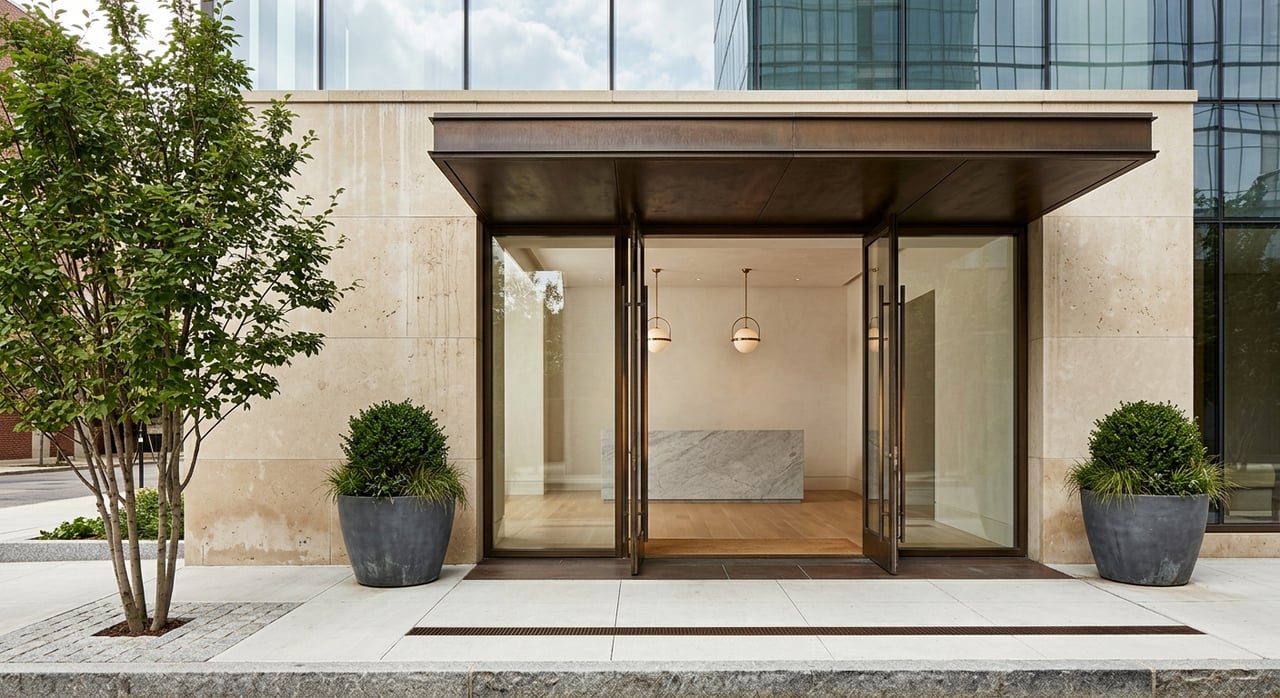
Most luxury condo options here are in recently built or newly delivered towers. These properties often feature floor-to-ceiling glass, modern kitchens and baths, garage parking, shared lounges, and fitness or wellness spaces. If you want turnkey living with minimal renovation needs, Seaport offers a strong concentration of that inventory.
Mixed-use living is common
A major Seaport pattern is the mixed-use podium, where residences sit above or beside retail, dining, and entertainment. In practical terms, that can mean more convenience and a lively environment, but it can also mean more activity around the building at different times of day. It is smart to evaluate not only the unit, but also the full building ecosystem.
How to Evaluate Views and Layouts
In Seaport, views are a value driver. Waterfront and skyline exposures can significantly shape both enjoyment and resale appeal, but not all “view” residences offer the same experience.
You will want to look beyond listing language and focus on specifics. Ask how the unit is positioned within the building, what direction it faces, and whether nearby development could affect sightlines. A higher floor does not always guarantee the best view if the orientation is less favorable.
Focus on stack and orientation
In towers with many residences, two units with similar dimensions may have very different natural light and privacy. Harbor-facing units may offer sweeping water views, while other homes may capture city lights or a more layered urban perspective. Understanding the stack helps you compare options more intelligently.
Check outdoor space carefully
Some Seaport residences feature terraces or large window systems that open toward the water. That can be a major lifestyle benefit, especially in warmer months. If outdoor space matters to you, confirm whether it is a true terrace, a balcony, or simply a visual feature marketed as indoor-outdoor design.
Amenities Matter More Than You Think
In Seaport, amenities are not just extras. They are often a central part of the value proposition. Buildings in this neighborhood commonly market concierge services, club rooms, fitness centers, pools, spa features, bike storage, pet services, and garage parking.
For example, EchelonSeaport highlights indoor and outdoor pools, lounges, an 8,500-square-foot wellness center and spa, yoga and stretching rooms, a golf simulator, and a waterfront park at the base of the property. One Harbor Shore promotes a concierge team, club room, fitness center, Pilates studio, sauna, cold plunge, and sky terrace. These offerings can have a meaningful impact on daily convenience and on monthly ownership costs.
Match amenities to your routine
The best amenity package is not necessarily the longest one. If you travel often, concierge support and secure parking may matter more than a large club room. If wellness is part of your routine, an on-site fitness center, pool, or spa facilities may be more valuable than extra entertaining space.
Understand the cost side
In amenity-rich towers, common expenses often support far more than standard building upkeep. They may help fund staffing, elevators, pools, wellness areas, parking operations, and maintenance tied to large shared spaces. That is why dues should be reviewed as part of the full lifestyle equation, not as a standalone number.
Lifestyle in Seaport
Seaport offers a dense, polished lifestyle that is unusual even by Boston standards. According to WBUR’s neighborhood field guide, the area is known for restaurants, outdoor markets, pop-up shops, and active public spaces. If you enjoy being able to step outside and have dining, culture, and waterfront walking routes nearby, this setting can be especially appealing.
The waterfront is a major part of the neighborhood experience. Boston’s Harborwalk is part of a 43-mile public shoreline path, and the area also offers access to transit and cultural destinations. The Institute of Contemporary Art notes that its Seaport location is easy to reach by public transportation, bike, car, or water taxi, with the Courthouse stop on the Silver Line nearby.
Getting around is relatively easy
Seaport is well connected for a waterfront district. In addition to road access and parking options, the neighborhood is served by public transportation and nearby waterfront connections. The Boston Children’s Museum also notes that the area is accessible by transit and has multiple public parking options.
Daily planning still matters
If school logistics are part of your housing search, it is important to plan carefully. Redfin’s current Seaport page lists no elementary schools within the district boundaries, which means many buyers will need to think beyond the immediate neighborhood for day-to-day routines. That is not a drawback for every household, but it is an important practical consideration.
Due Diligence for Seaport Condos
A sophisticated Seaport purchase involves more than comparing finishes and amenities. You also need to review the association, understand the building’s operational structure, and ask practical questions about the property’s location on the waterfront.
Massachusetts states that condominiums are privately governed through the master deed, bylaws, and Chapter 183A, and that the Commonwealth does not provide regulatory oversight of condominiums. The state also notes that a replacement reserve fund is required and that condo rights and responsibilities are legal matters best reviewed with a real estate attorney. You can read more through the state’s condominium guidance.
Review the HOA documents closely
For a Seaport condo, HOA review is essential. You will want to understand reserve funding, pending capital projects, rules around pets or parking, and how the association manages shared amenities. In a full-service building, this review can reveal a great deal about how smoothly the property is run.
Ask waterfront-specific questions
Because Seaport sits on filled land along the waterfront, building-level resilience matters. Boston’s climate planning identifies the Seaport and South Boston waterfront as vulnerable to sea-level rise and coastal flooding, with expected intensification over time. The city’s planning also outlines coastal protection strategies such as flood barriers, elevated harborwalks, and stronger seawalls.
That makes it wise to ask practical questions about flood protection, garage access, mechanical systems, and how lower levels are designed or managed. For waterfront and lower-floor purchases in particular, those details should be part of your standard diligence process.
How Seaport Compares to Other Boston Luxury Areas
Seaport is not the right fit for every luxury buyer, and that is exactly why comparison matters. If you are choosing among Boston’s prime neighborhoods, the decision often comes down to architectural style, pace, and how much you value new construction versus historic character.
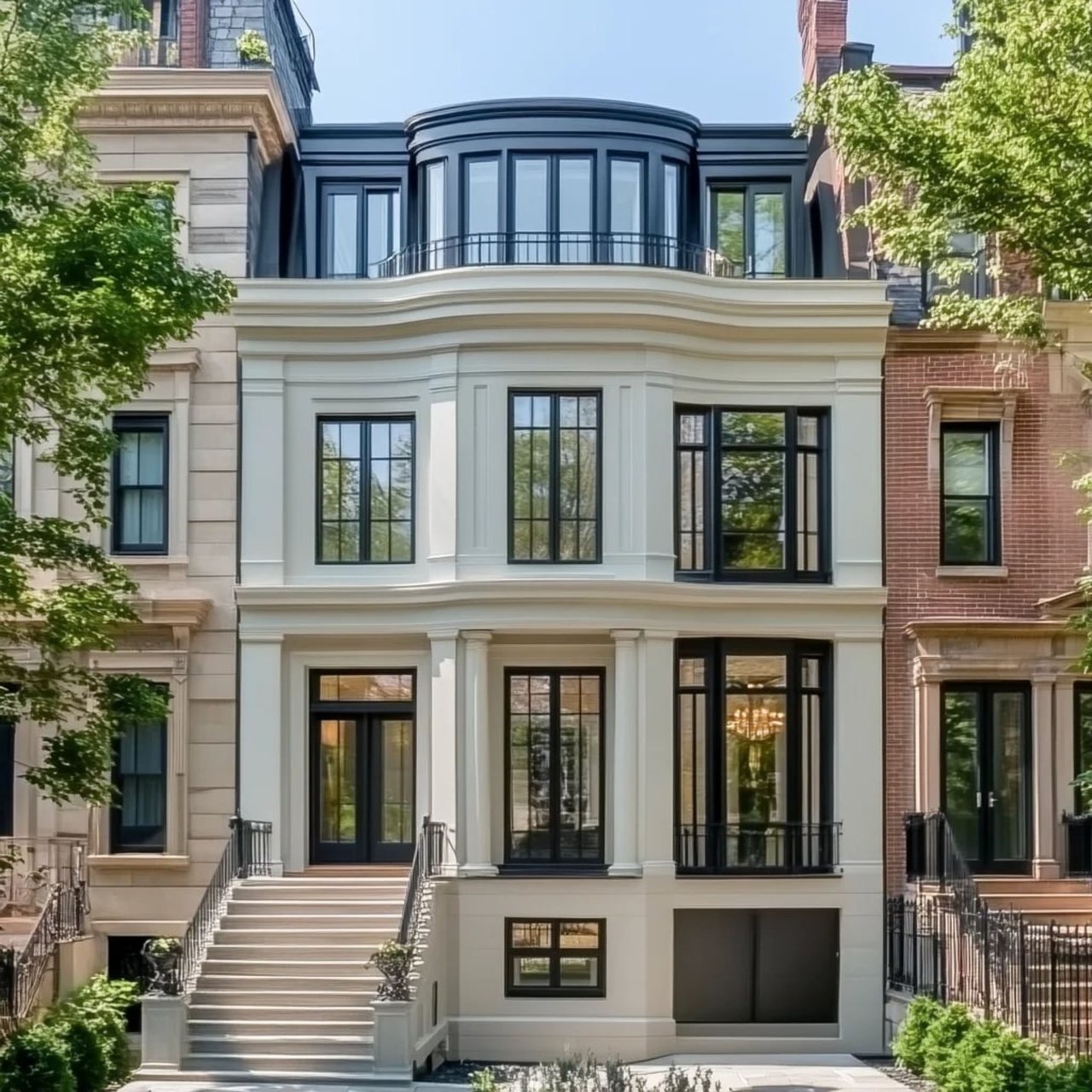
Compared with Back Bay, Seaport is more contemporary, more tower-oriented, and more directly shaped by waterfront living. Boston’s Back Bay overview highlights a protected historic district known for brownstones, landmark architecture, and established streets such as Newbury Street and Commonwealth Avenue. Seaport, by contrast, is driven more by new construction, amenity density, and modern service levels.
Compared with the South End, Seaport generally feels more vertical and service-heavy. Boston’s South End overview describes a landmark district with Victorian brownstones, parks, restaurant streets, and arts activity. Buyers who prefer historic housing stock and a more traditional neighborhood fabric may feel more at home there.
Fort Point offers a nearby alternative
If you like the Seaport location but want a different building style, Fort Point is worth considering. WBUR describes it as a contrast to Seaport’s newer glass towers, with lower-slung red-brick buildings, loft spaces, and artist studios. That can appeal to buyers who want more industrial character while staying close to the waterfront core.
Who Seaport Fits Best
Seaport tends to suit buyers who want a modern, lock-and-leave residence with strong services and easy access to dining, culture, and the waterfront. It is especially compelling if you value new construction, polished common spaces, and a home that feels more like a private hospitality experience than a traditional city apartment.
It may be a stronger fit for you if your priorities include:
- Newer construction and contemporary finishes
- Full-service living with concierge support
- Harbor or skyline views
- Wellness and lifestyle amenities
- Garage parking and secure access
- A lively, highly activated urban setting
If you are drawn instead to historic architecture, quieter side streets, or more traditional Boston streetscapes, another neighborhood may align better with your goals.
A Smart Buying Strategy in Seaport
The best Seaport purchases are usually the result of careful comparison, not impulse. Because transaction counts can be relatively small and unit differences can be highly specific, broad neighborhood averages only tell part of the story. Redfin’s February 2026 snapshot showed a median sale price of $1.8 million and median days on market of 83, but those figures are best viewed as directional rather than definitive for a specific condo.
In practice, your outcome may depend far more on building brand, floor, stack, view corridor, service level, and association quality. That is where experienced, local guidance becomes valuable. A curated strategy can help you compare similar options more precisely and identify where long-term value really lives.
If you are weighing a Seaport purchase and want a discreet, highly tailored perspective on Boston’s luxury condo market, Beth Dickerson offers concierge-level guidance backed by deep downtown expertise and a polished, client-first approach.
FAQs
What makes Seaport luxury condos different from Back Bay condos?
- Seaport condos are generally newer, more tower-oriented, and more amenity-focused, while Back Bay is known for historic architecture, brownstones, and a more established street pattern.
What should you review before buying a Seaport condo?
- You should closely review the HOA documents, reserve funding, common expenses, amenity operations, parking details, and building-level resilience features tied to the waterfront location.
How important are views in Seaport luxury condo pricing?
- Views are a major factor in Seaport, and floor level, stack, and orientation can affect value and lifestyle as much as square footage.
Is Seaport a good fit if you want full-service condo living in Boston?
- Seaport can be an excellent fit if you want concierge services, modern finishes, garage parking, wellness amenities, and easy access to dining and cultural venues.
What transportation options are available in the Seaport District?
- The neighborhood offers access to public transportation, nearby Silver Line service, parking options, bike access, and some waterfront connections such as water taxi access near major destinations.
What climate questions should buyers ask about Seaport waterfront condos?
- Buyers should ask about flood protection, garage entry design, lower-level exposure, and where key building systems are located because the Seaport waterfront is identified by the city as vulnerable to coastal flooding and sea-level rise.